Mistake 1: Judging size from the styled photograph
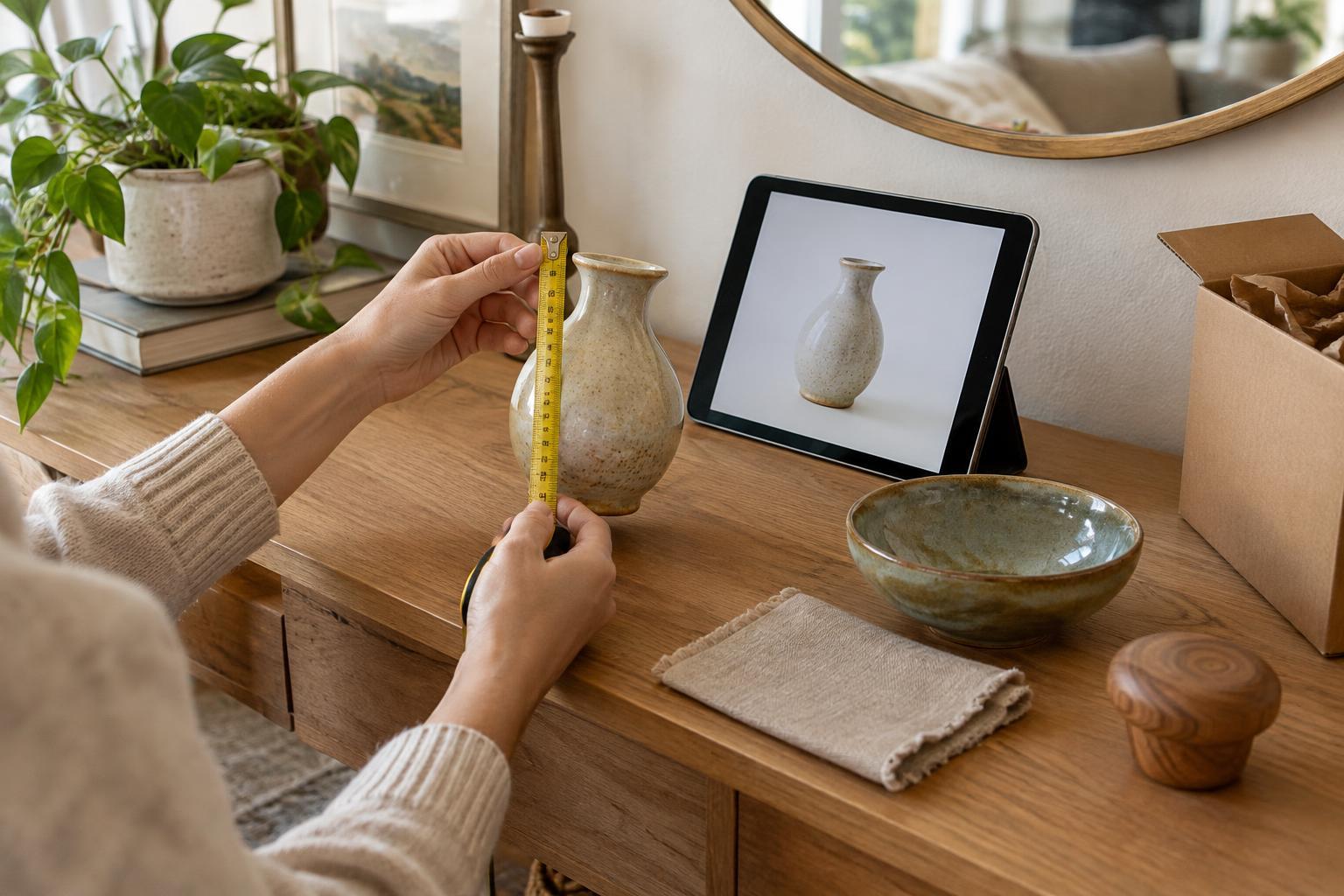
A vase photographed alone may look substantial, while the same vase can disappear on a wide mantel. Product images often use close framing or carefully chosen companion pieces, so treat them as inspiration rather than proof of scale. Read the listed height, width and depth, including any stand or handle. For a bowl or tray, check the interior dimensions as well as the overall footprint if you plan to put anything inside it.
Before ordering, mark out the object's footprint with paper on the shelf or table where it will live. You can also stack books to approximate its height. Leave room for nearby objects and for ordinary use: a centerpiece that fits a dining table may still block conversation or compete with serving dishes. If measurements are missing, ask the seller rather than guessing from a photograph.
Mistake 2: Assuming screen color and material tell the whole story
Color can vary between screens, lighting conditions and photographs. A cream-colored cushion might read warm against one sofa and cool against another. Compare the listing with several images if available, and look for descriptions that name undertones, finish and texture. If an exact color match matters, a small fabric sample or material swatch is more useful than another screen view.
Material names deserve the same attention. “Stone look” does not necessarily mean stone, and a shiny ceramic glaze will reflect light differently from a matte finish. Check whether the item is solid, hollow, coated or assembled from several materials. For textiles, note the fiber content and care instructions; for tabletop objects, check whether the stated use includes contact with food or water. These details help you choose an accessory for its actual role, not just its appearance.
Mistake 3: Buying a style instead of choosing a place
It is easy to add an appealing object to a cart without knowing where it will go. Before buying, name its intended spot and what it will sit beside. A patterned box may add welcome contrast to a plain shelf but feel busy next to framed prints and patterned wallpaper. A sculptural vase may need open space around its outline to be noticed.
Think about function, too. Will the tray gather keys near an entrance, or is it purely decorative? Will a cushion be handled every day? An object that needs constant moving to make room for normal activities is unlikely to earn its place. A quick photograph of the intended spot can help you assess its colors, existing shapes and available space while browsing.
Mistake 4: Overlooking the practical details
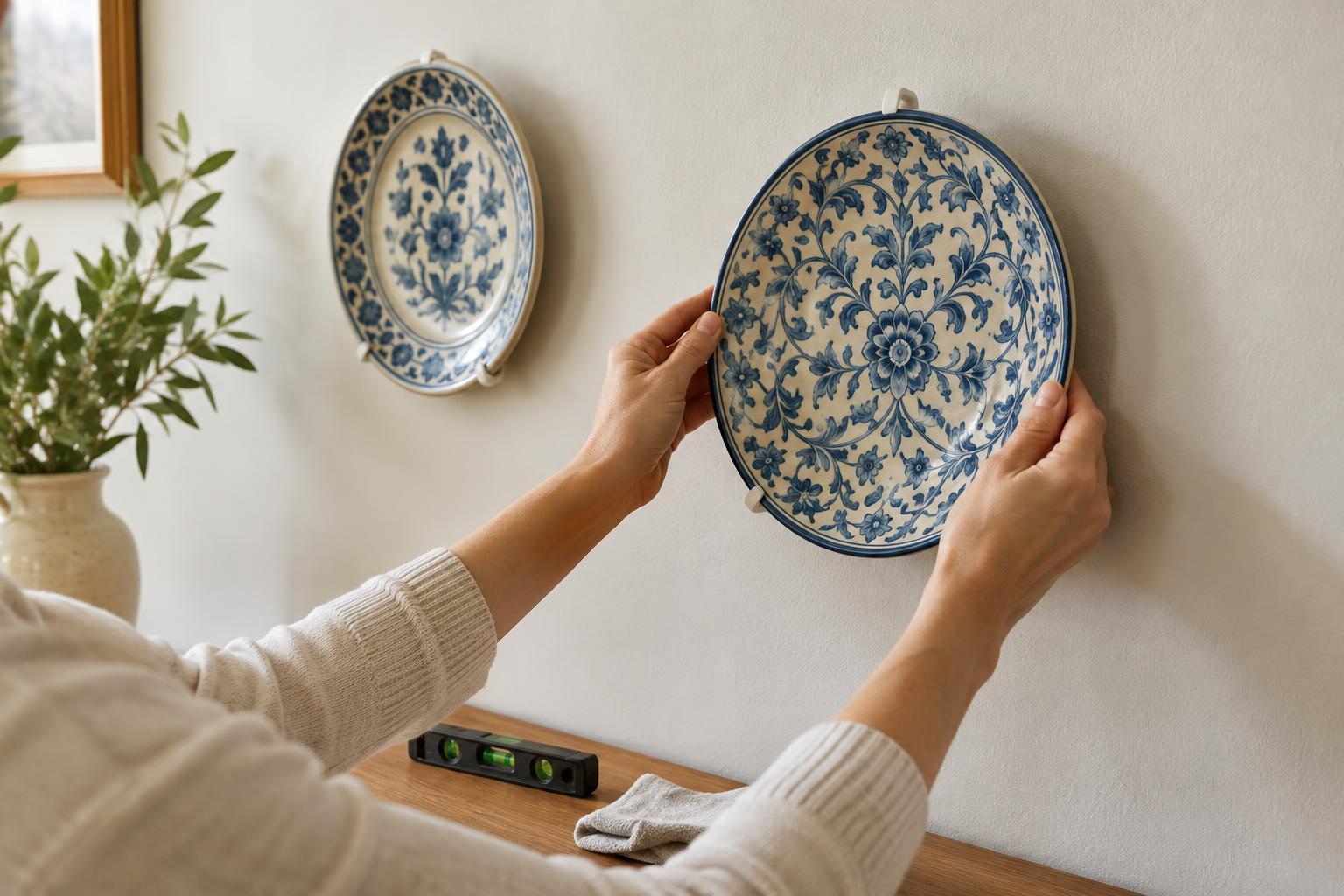
A listing's smaller details can matter more than its most attractive image. Check the weight if the accessory will go on a narrow shelf or delicate surface, and look at the base if it might scratch furniture. For a wall-hung piece, confirm what hanging hardware is included and whether the listed dimensions account for projections from the wall. For a vessel intended to hold fresh stems, confirm that it is suitable for water; decorative vessels are not always watertight.
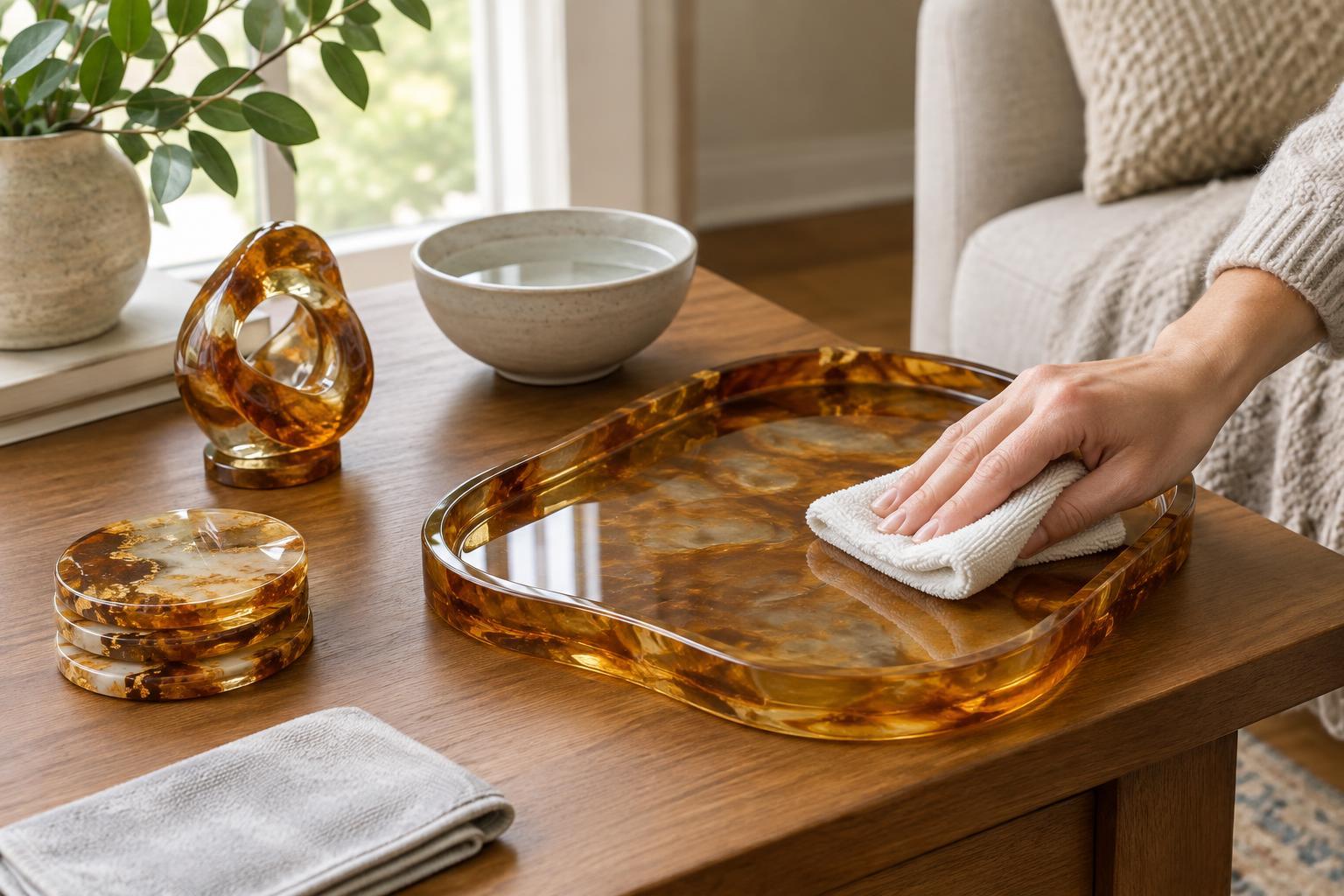
Read the care guidance before purchasing. A finish that requires gentle dusting may be fine for a high shelf but frustrating on a busy kitchen counter. Likewise, an open-weave textile may suit a quiet reading corner better than a heavily used seat. Matching the upkeep to the location is part of choosing well.
Mistake 5: Skipping the delivery and return terms
Accessories made of glass, ceramic or other fragile materials need suitable packing, but even a well-packed item can arrive damaged. Before checkout, review shipping costs, estimated dispatch information, return windows and any exclusions for handmade or personalized pieces. Keep the listing details until the order arrives so you can compare the delivered item with what was described.
When you unpack it, inspect the object in good light before removing labels or discarding packaging. Check dimensions, finish and any moving parts, then try it in the planned location. If it is not right, the return policy will tell you what steps are available. A short pause before ordering and a careful check on arrival make online shopping less dependent on luck—and help you bring home pieces that genuinely work in your space.