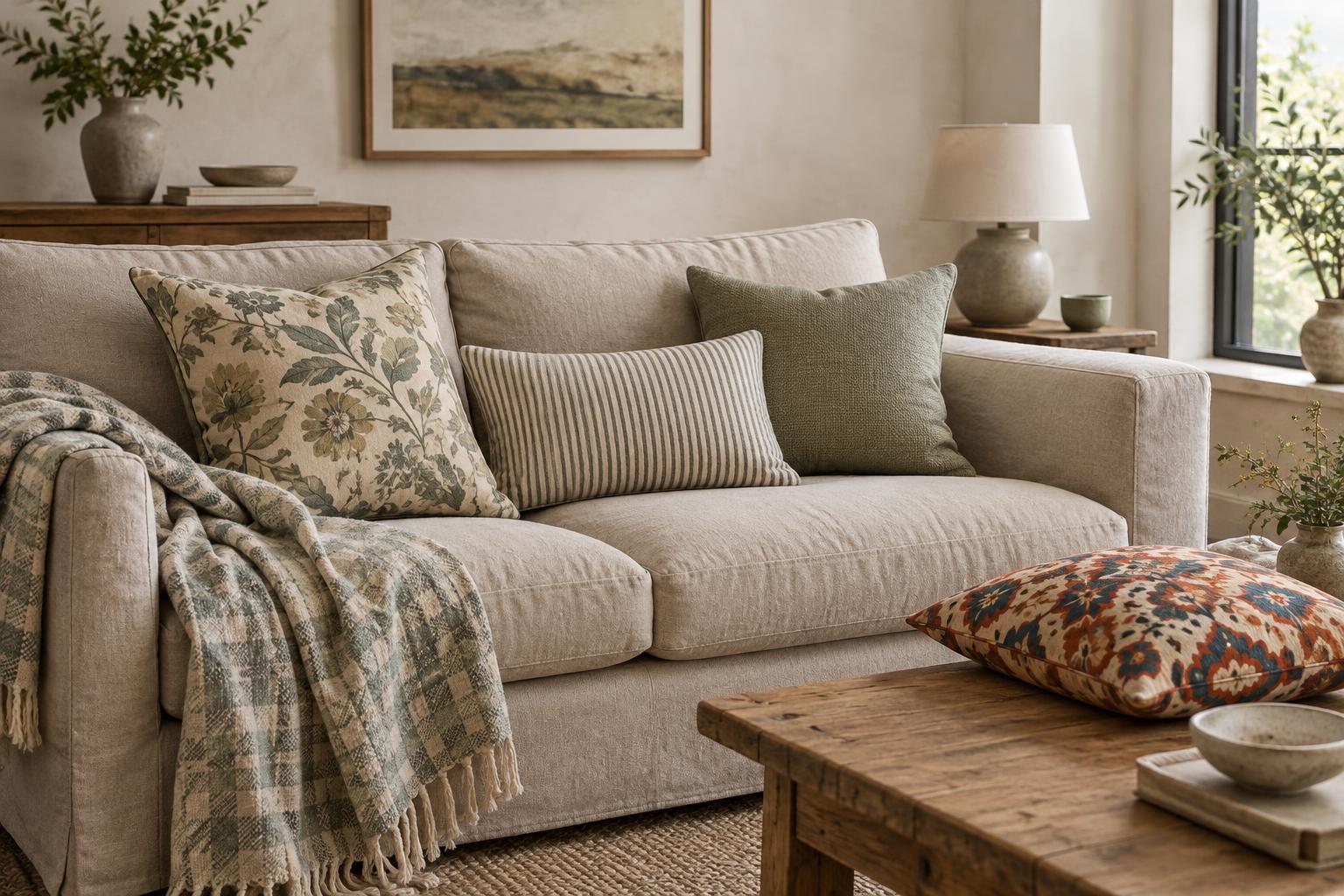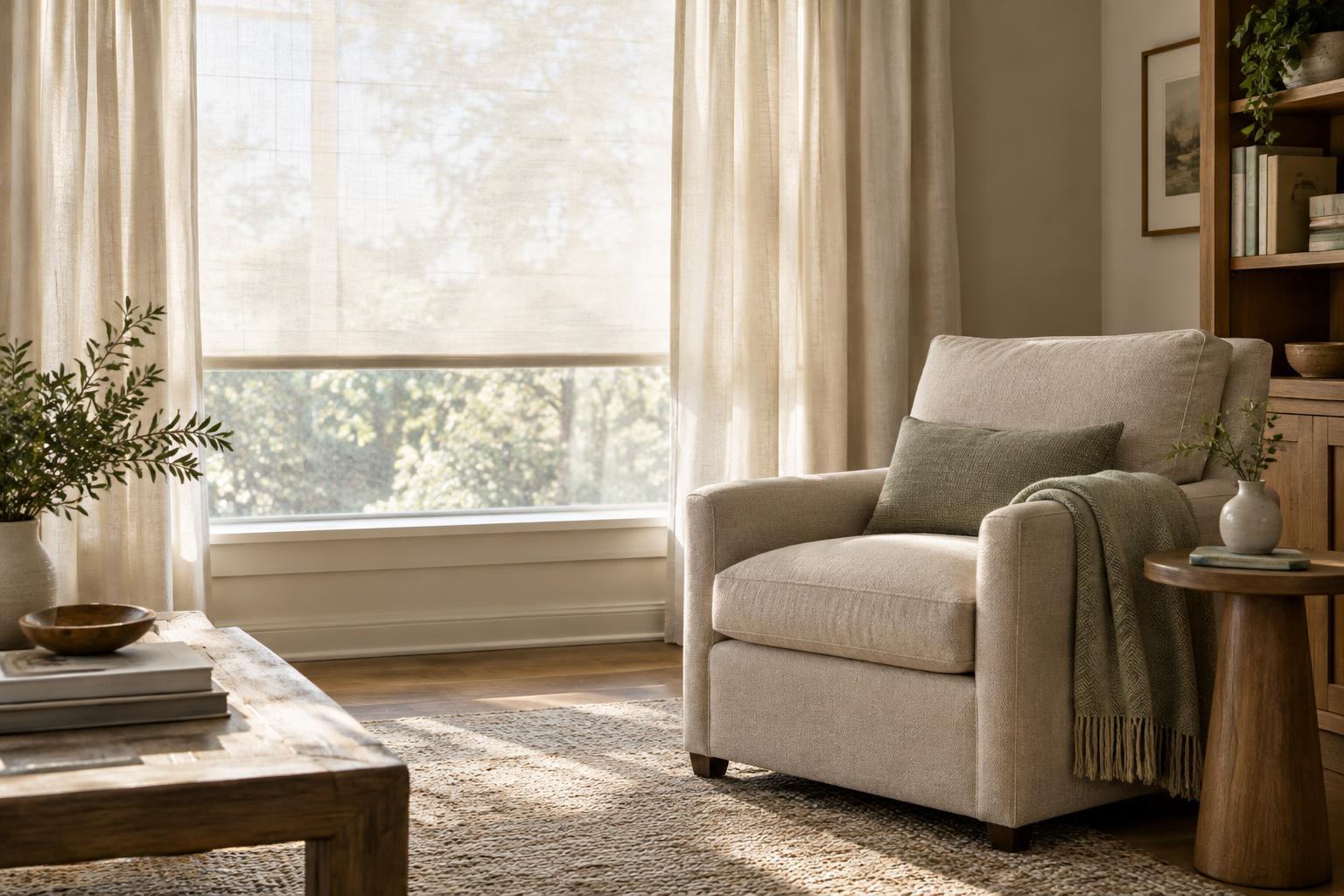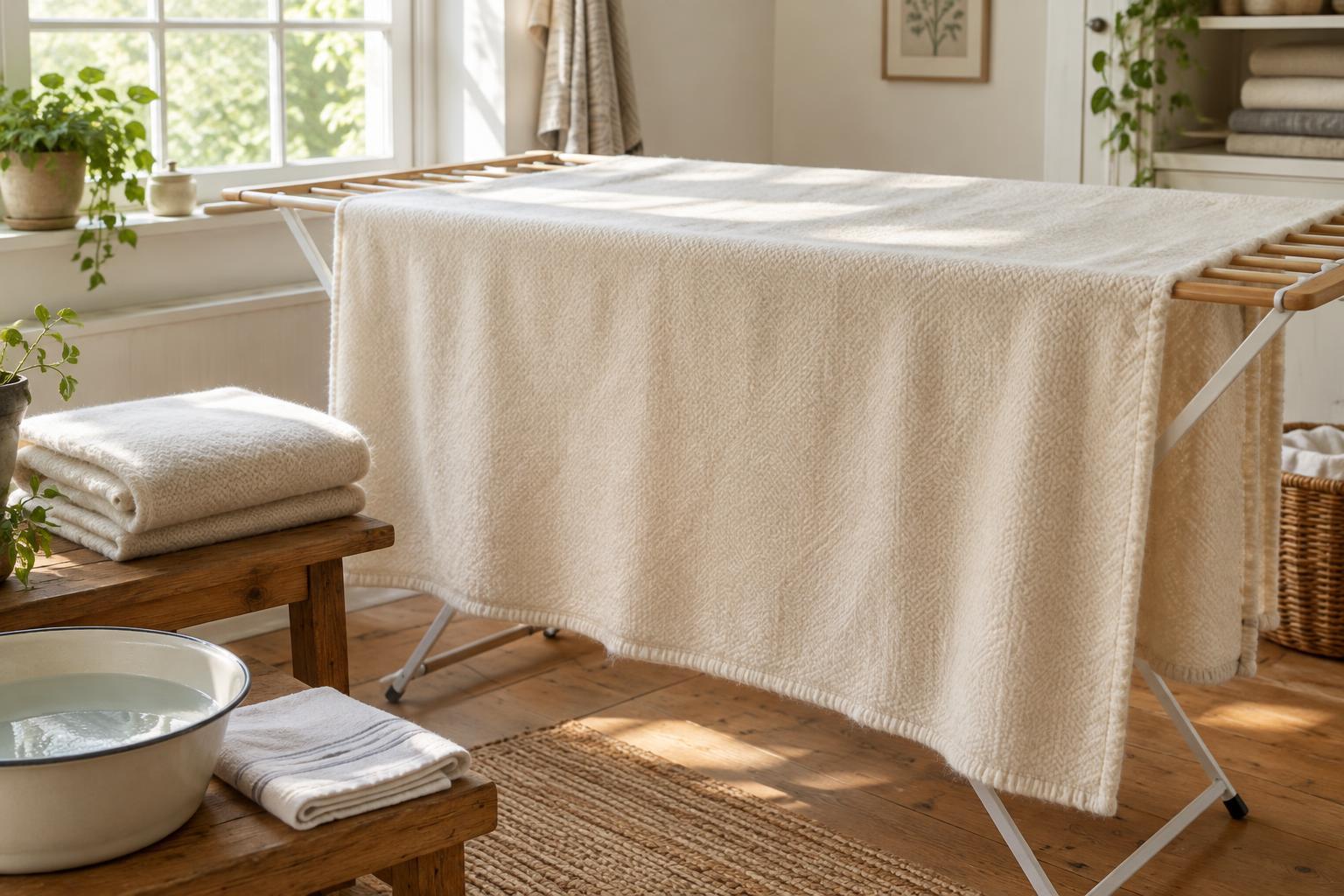
Textiles and FibersWool blankets can last for years with gentle care. Learn when to air instead of wash, how to clean a blanket without unnecessary rubbing or temperature changes, and how to dry and store it so it stays soft and ready to use.
Read article · 4 min↗
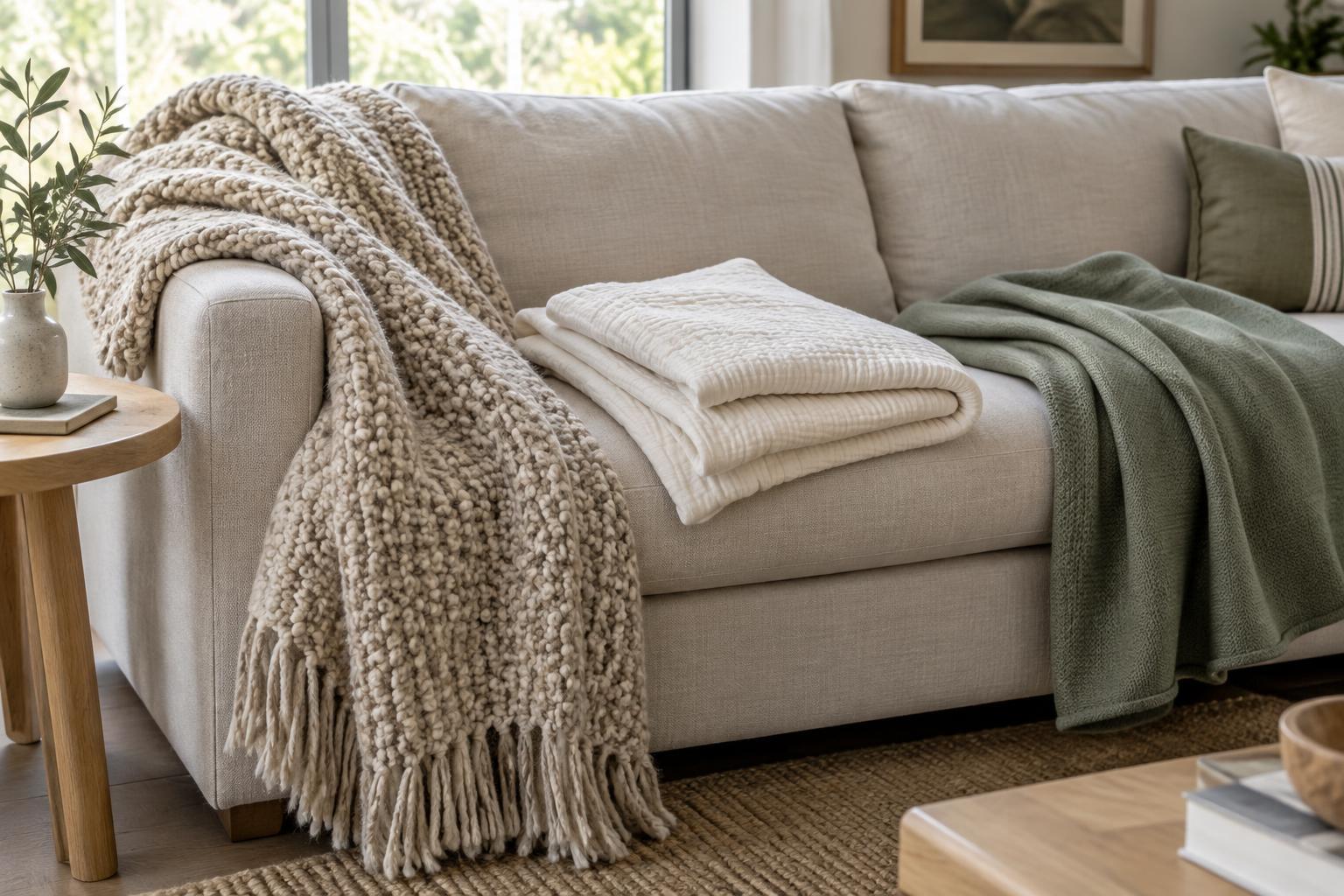
Textiles and FibersA useful throw should feel good, suit the room and be easy enough to care for that you actually use it. Compare wool, cotton and acrylic by warmth, texture, washing needs and how they fit into daily life.
Read article · 4 min↗
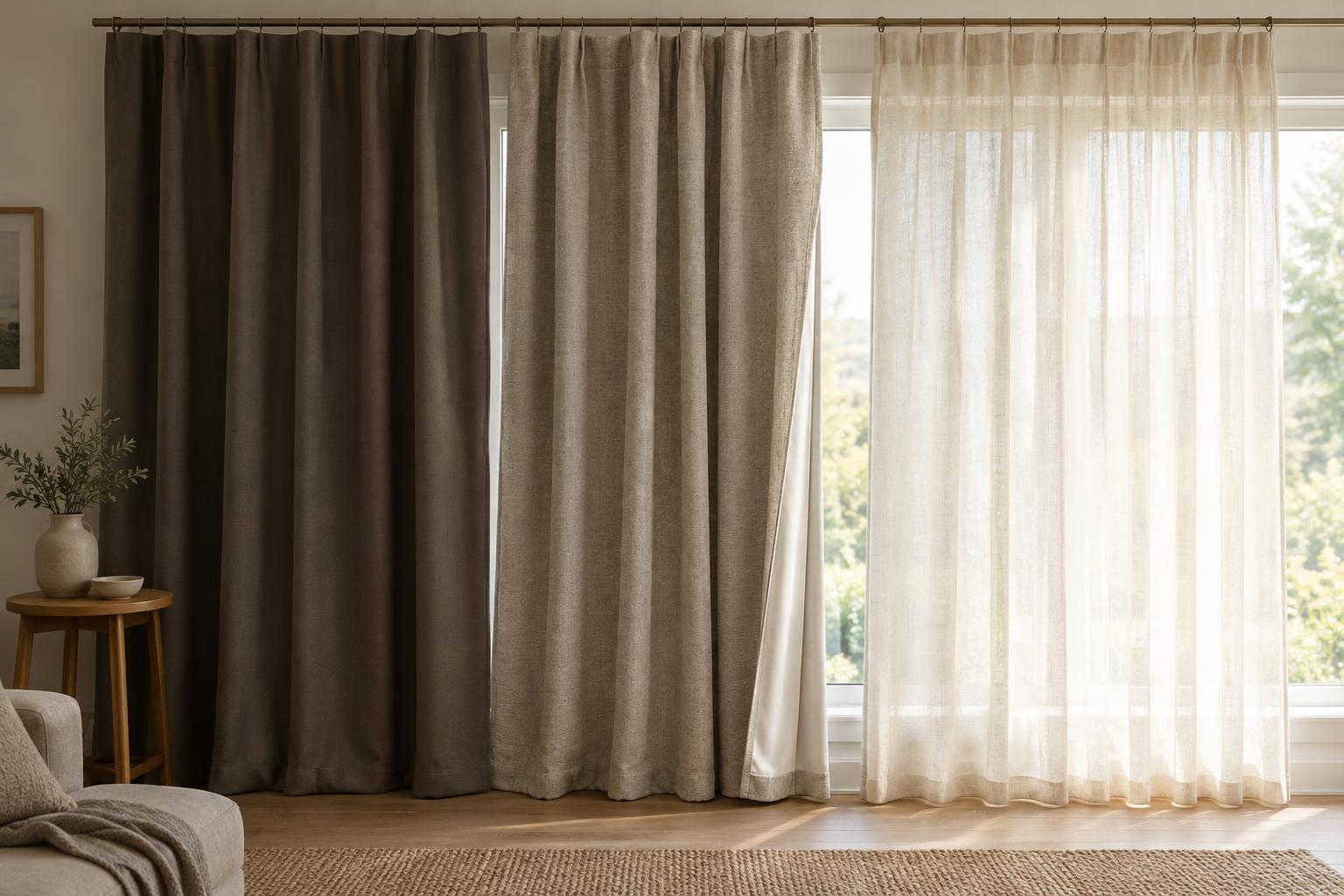
Textiles and FibersCurtain lining changes more than the look of a window. Learn how blackout, thermal and unlined curtains compare for light control, comfort, drape and care, then choose a finish that suits your room.
Read article · 4 min↗
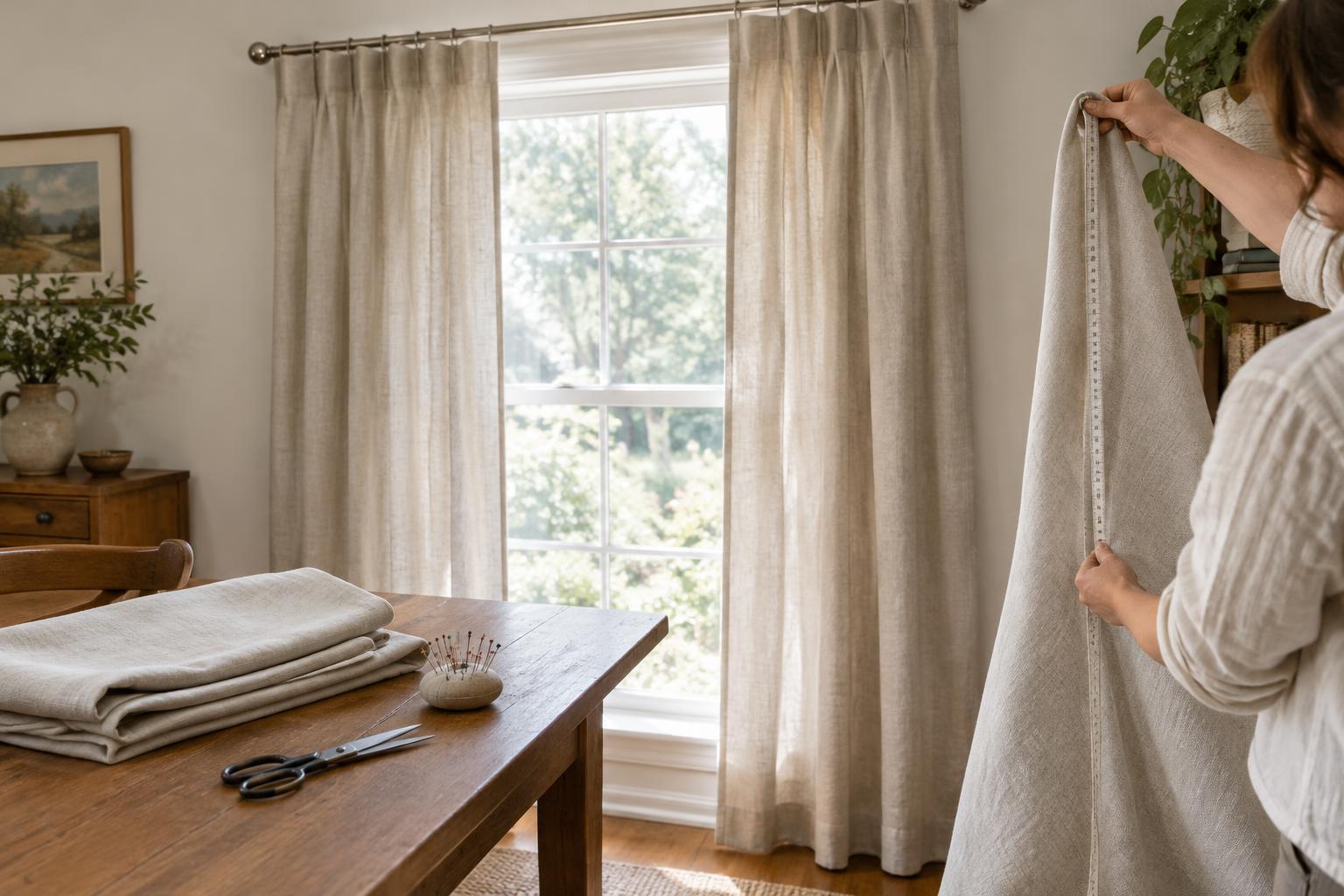
Textiles and FibersMeasure a window, choose a comfortable amount of fullness, and calculate fabric for simple curtain panels. This guide covers finished width, panel length, hems, fabric widths, and a worked example.
Read article · 4 min↗
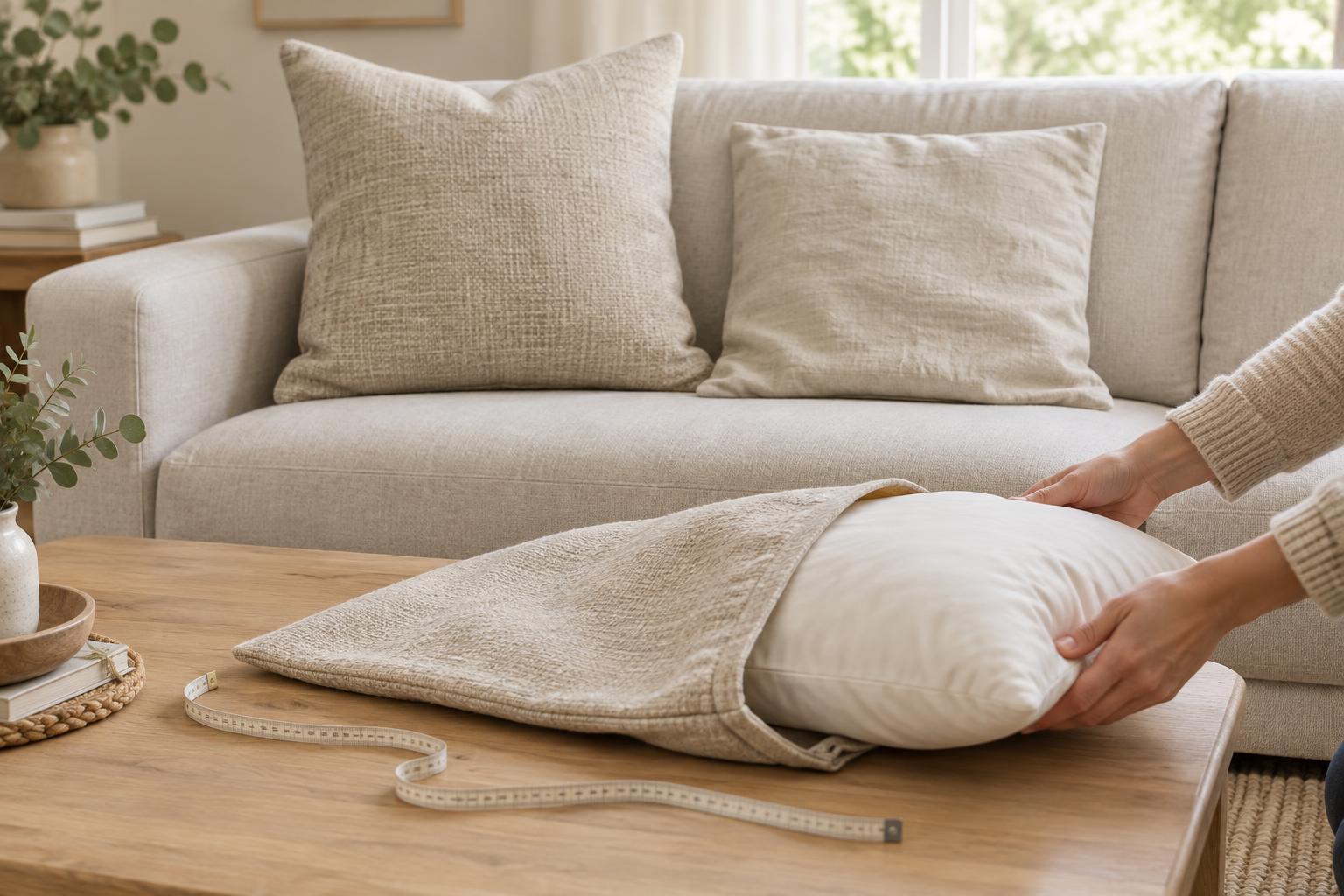
Textiles and FibersA cushion can look flat even when its cover is beautifully made. Learn how to measure a cover, choose an insert with the right amount of fullness, and adjust for fabric, shape and filling.
Read article · 4 min↗
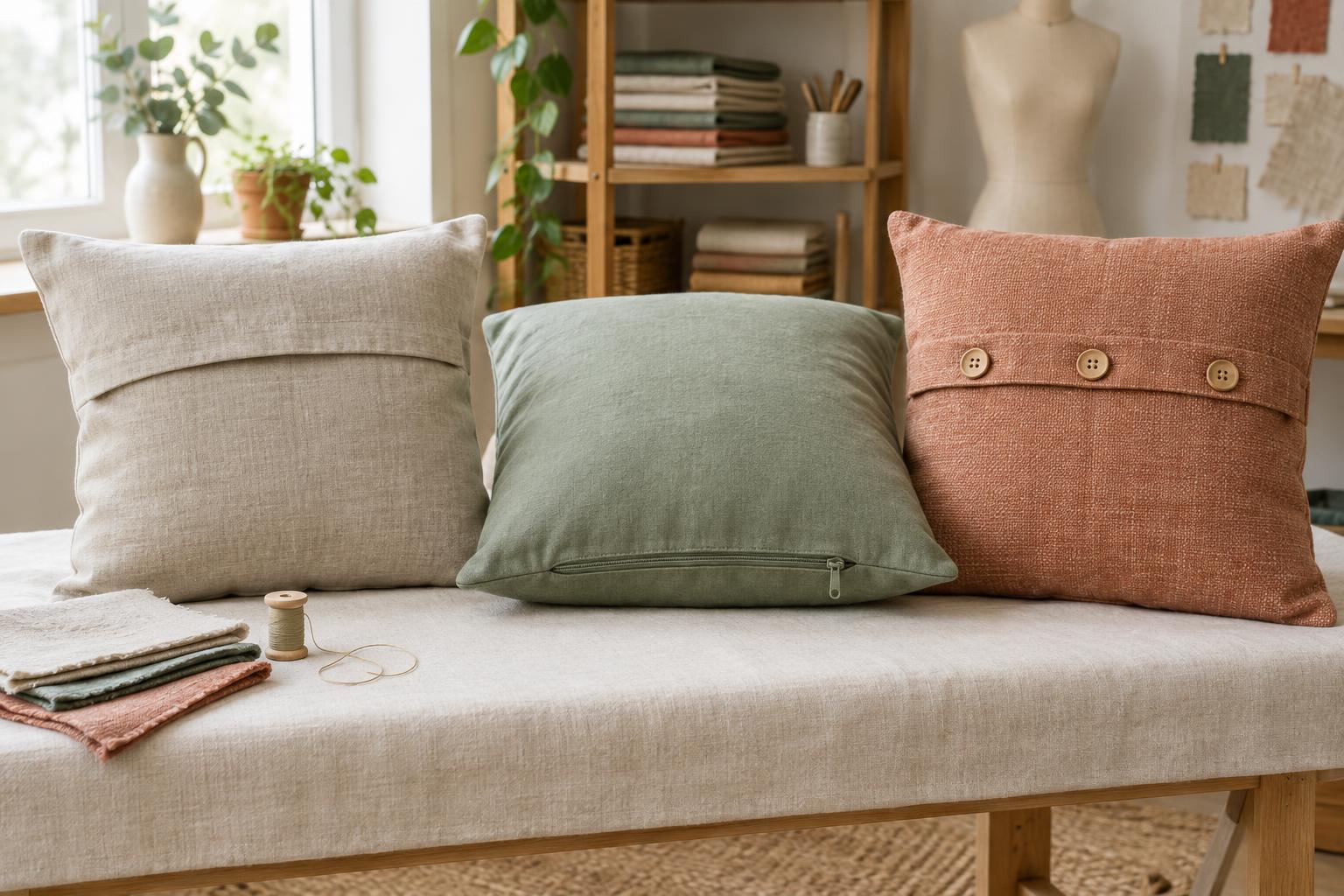
Textiles and FibersThe closure affects how a cushion cover looks, feels and handles everyday use. Compare envelope, zipper and button designs, then choose one that suits your fabric, sewing skills and cleaning routine.
Read article · 4 min↗
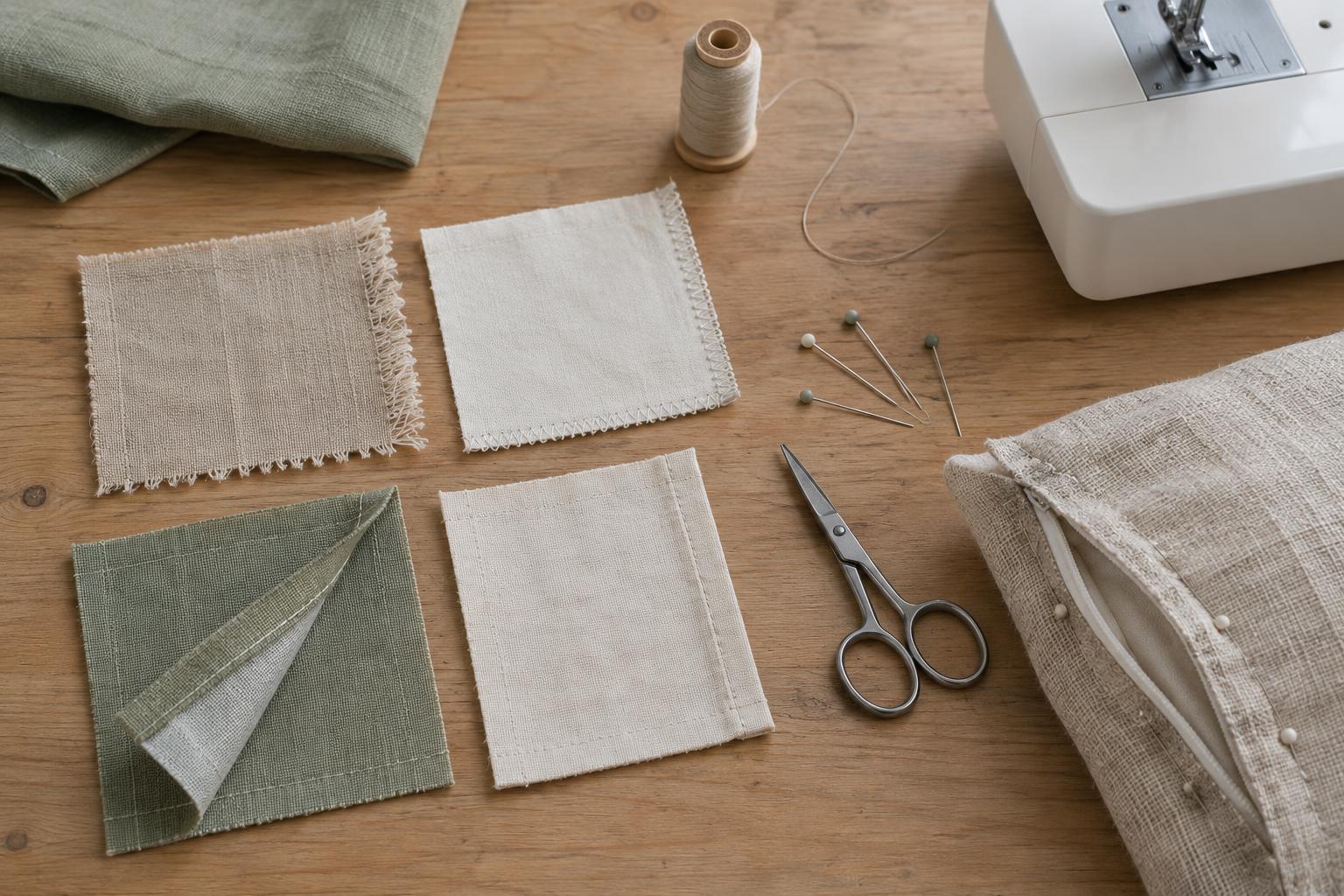
Textiles and FibersA fraying fabric does not always need the same seam finish. Learn how to assess the fabric, match a finish to the project, and test your choice before sewing a cushion cover, table linen, or other textile for the home.
Read article · 4 min↗
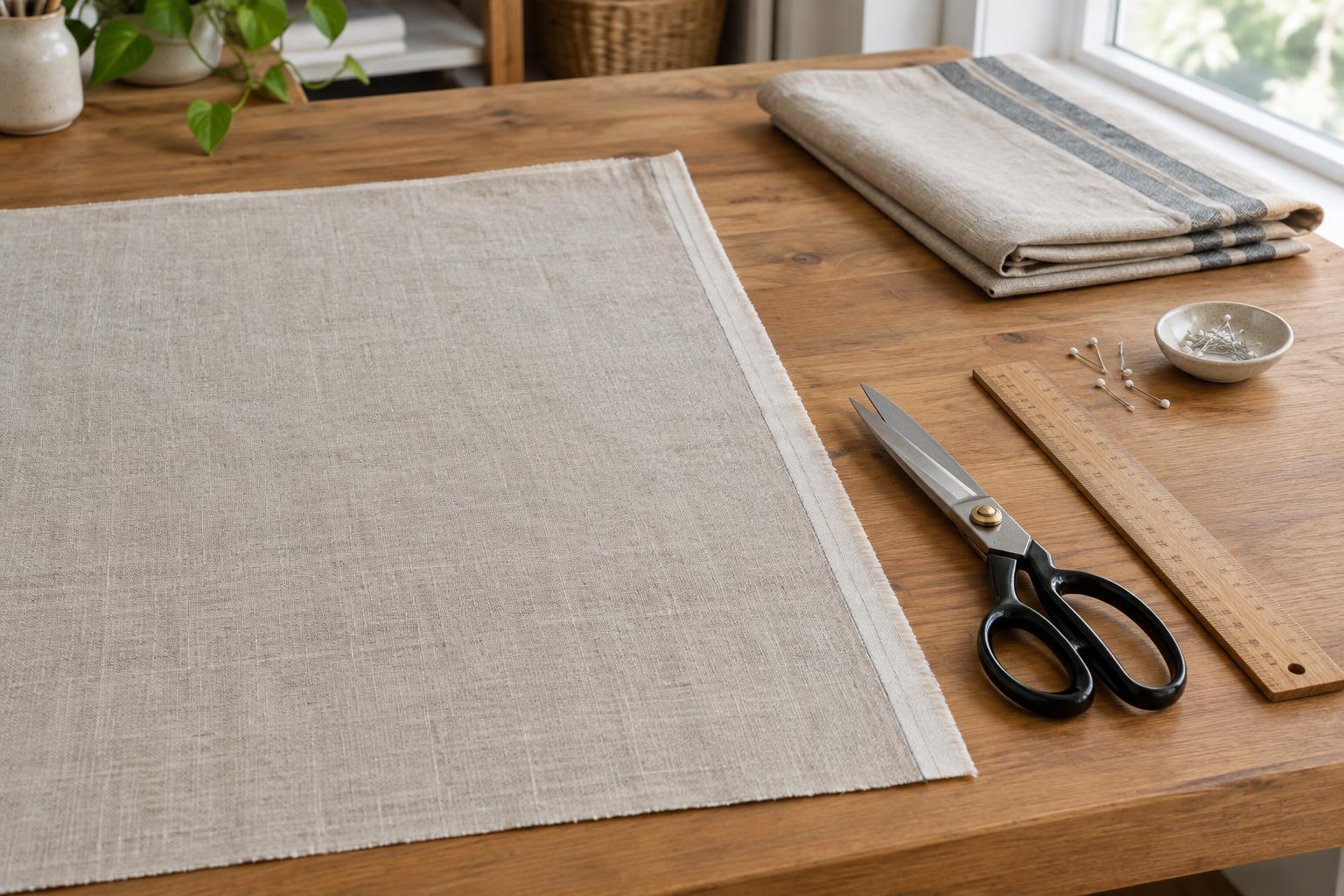
Textiles and FibersA table runner that twists or a cushion cover that pulls out of shape may have been cut off grain. Learn how to find the grain in woven fabric, square up a cut edge, and lay out pieces for neat, dependable home projects.
Read article · 4 min↗
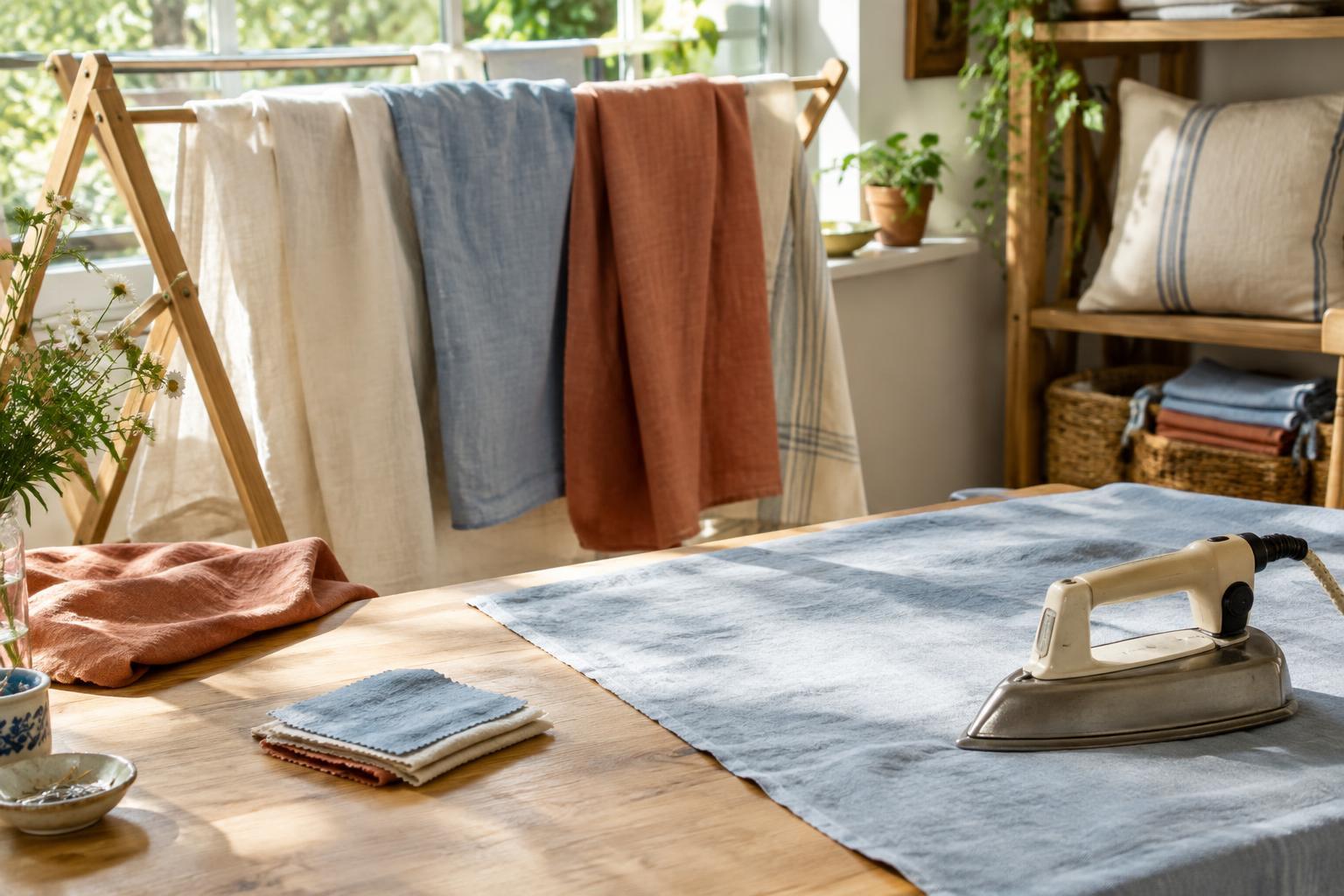
Textiles and FibersPrewashing helps fabric shrink, shed loose dye and reveal its finished texture before you cut it. Learn when to wash, when to test first and how to prepare fabric for cushions, napkins and other home projects.
Read article · 4 min↗
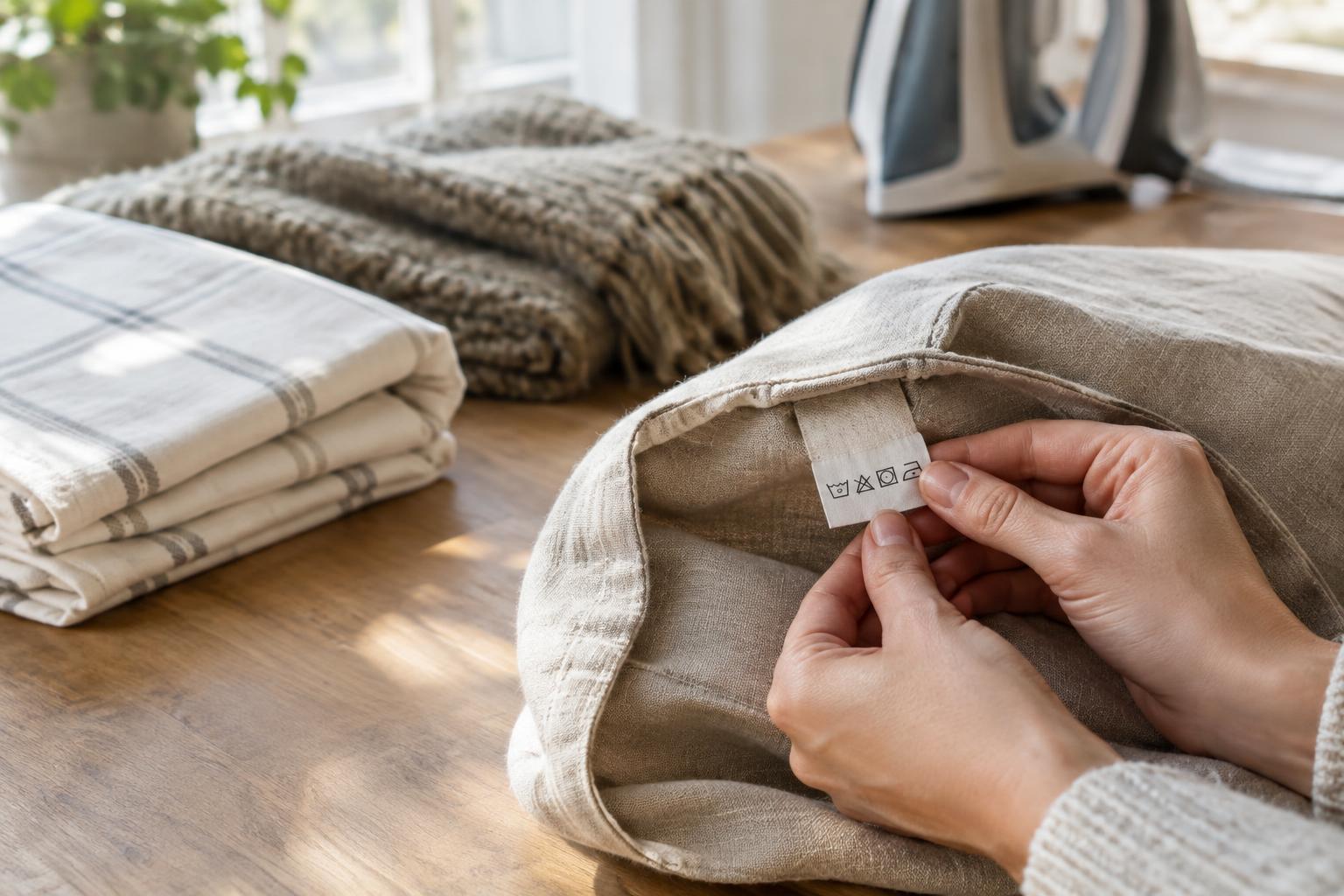
Textiles and FibersA care label can help you decide how to wash, dry and press a cushion cover, tablecloth or throw. Learn what the common symbols mean, how to spot important limits and what to do when a label is missing.
Read article · 4 min↗
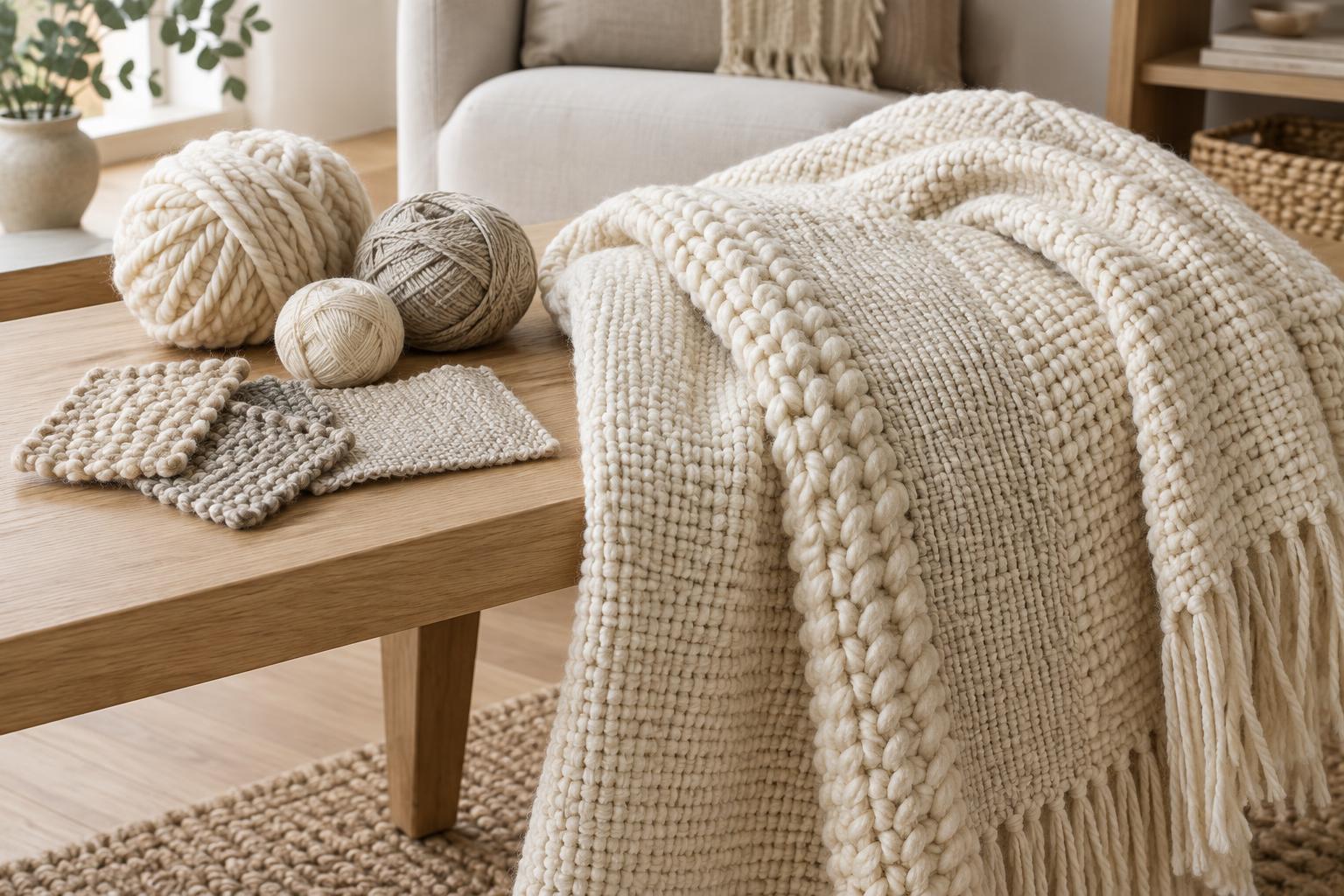
Textiles and FibersA woven throw’s texture begins with its yarn. Learn how thickness and twist influence surface, drape and definition, then use small samples to choose a combination that feels right.
Read article · 4 min↗
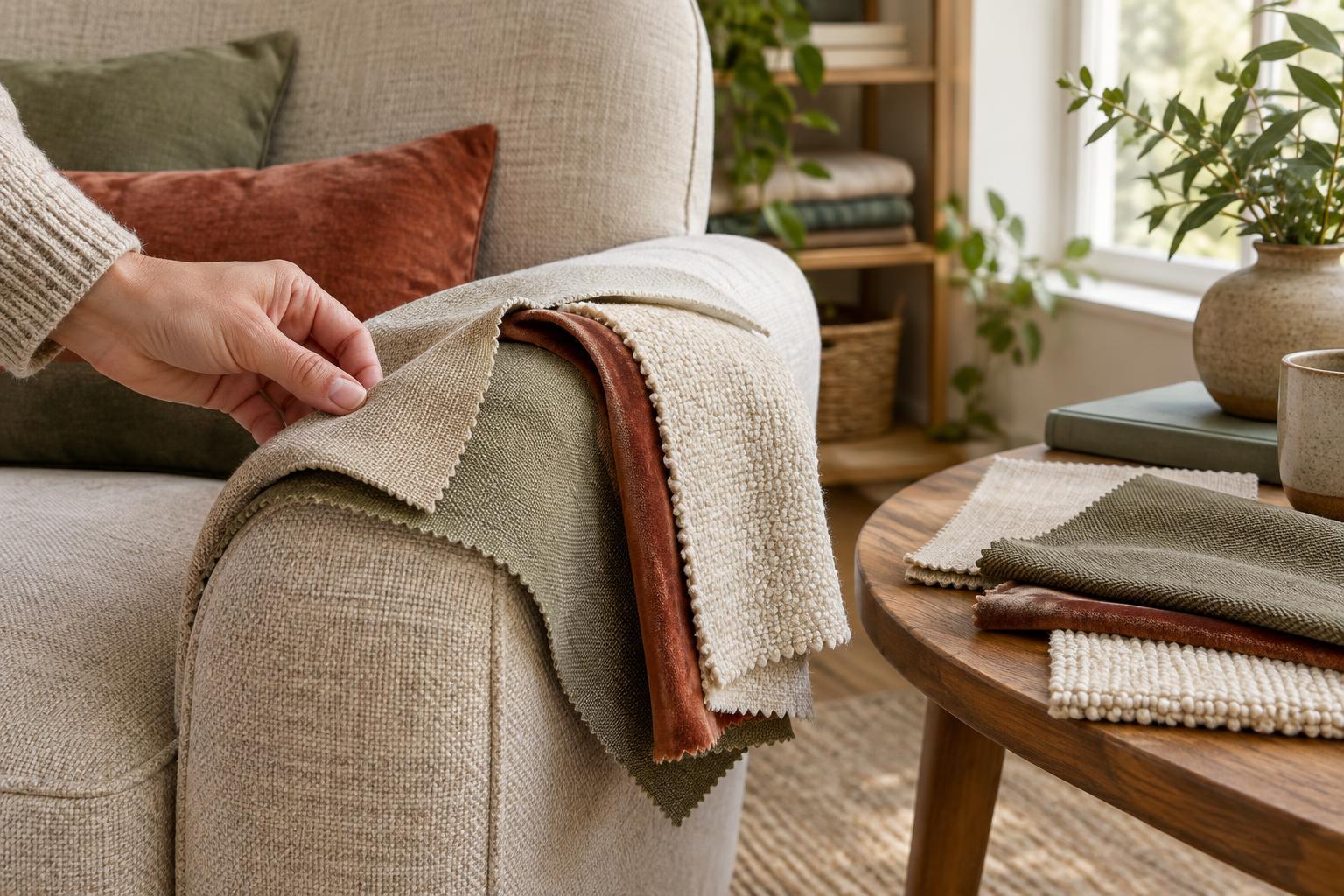
Textiles and FibersAbrasion ratings are useful when comparing upholstery fabrics, but a high number is not a promise that a chair or sofa will look good for years. Learn what the common tests measure, why their results are not interchangeable, and what else to check before choosing a fabric.
Read article · 4 min↗
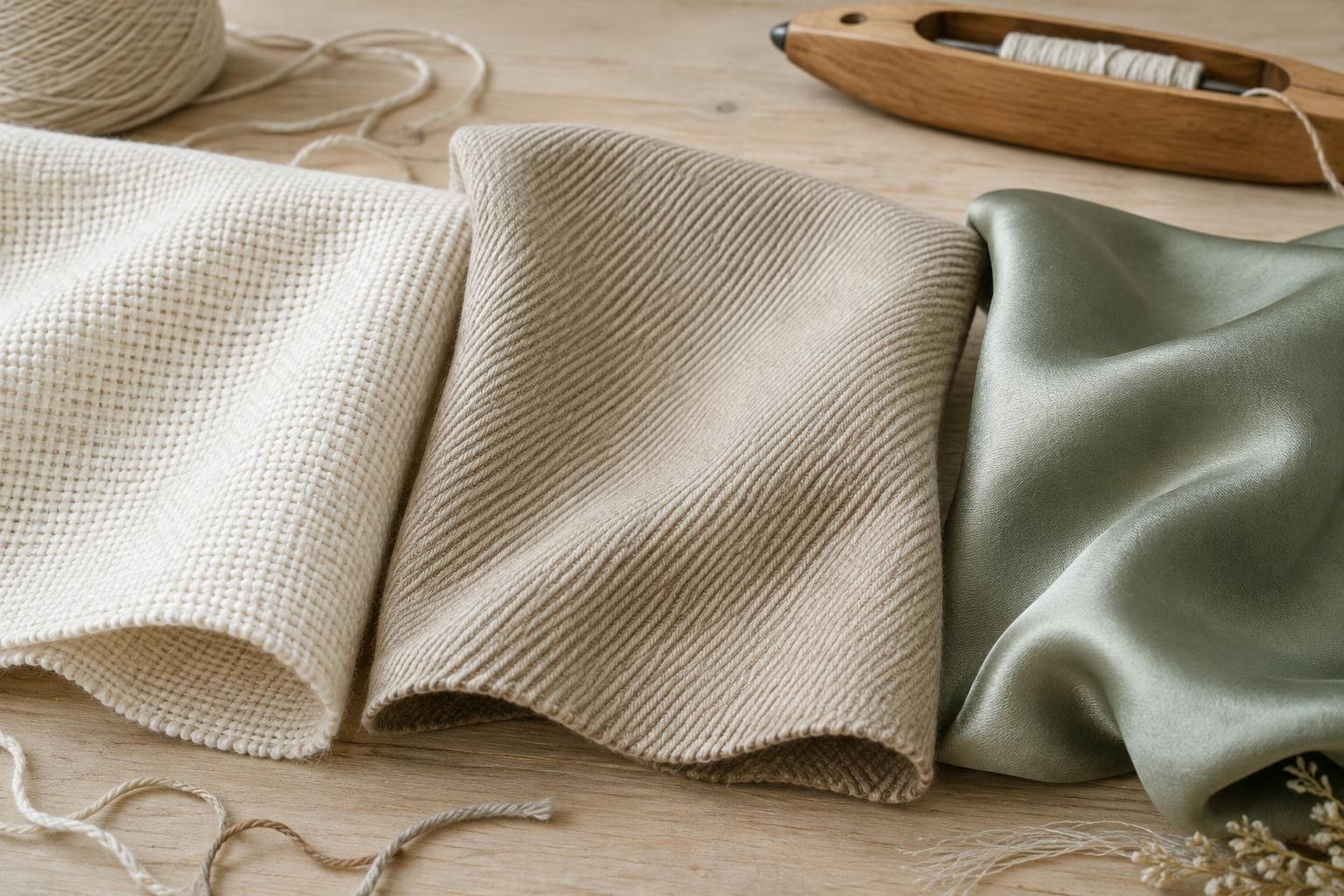
Textiles and FibersA fabric’s fiber tells only part of its story. Learn how plain weave, twill and satin arrange threads differently, and what those arrangements can mean for the look, texture and everyday use of home textiles.
Read article · 4 min↗
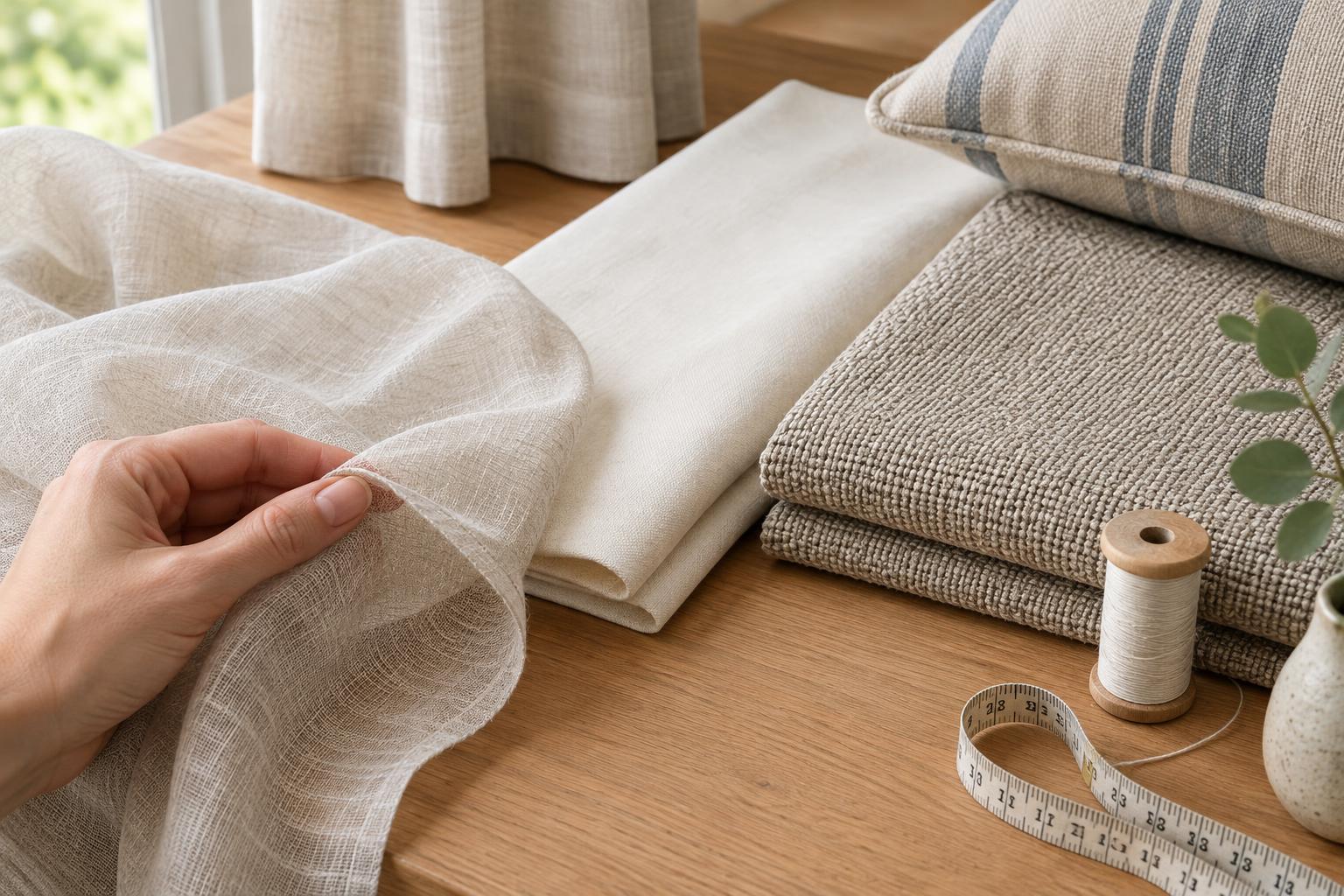
Textiles and FibersFabric weight can help you narrow down cloth for curtains, cushions, table linens and other home projects, but it does not tell the whole story. Learn how to read weight labels alongside weave, drape and care requirements before you cut.
Read article · 4 min↗
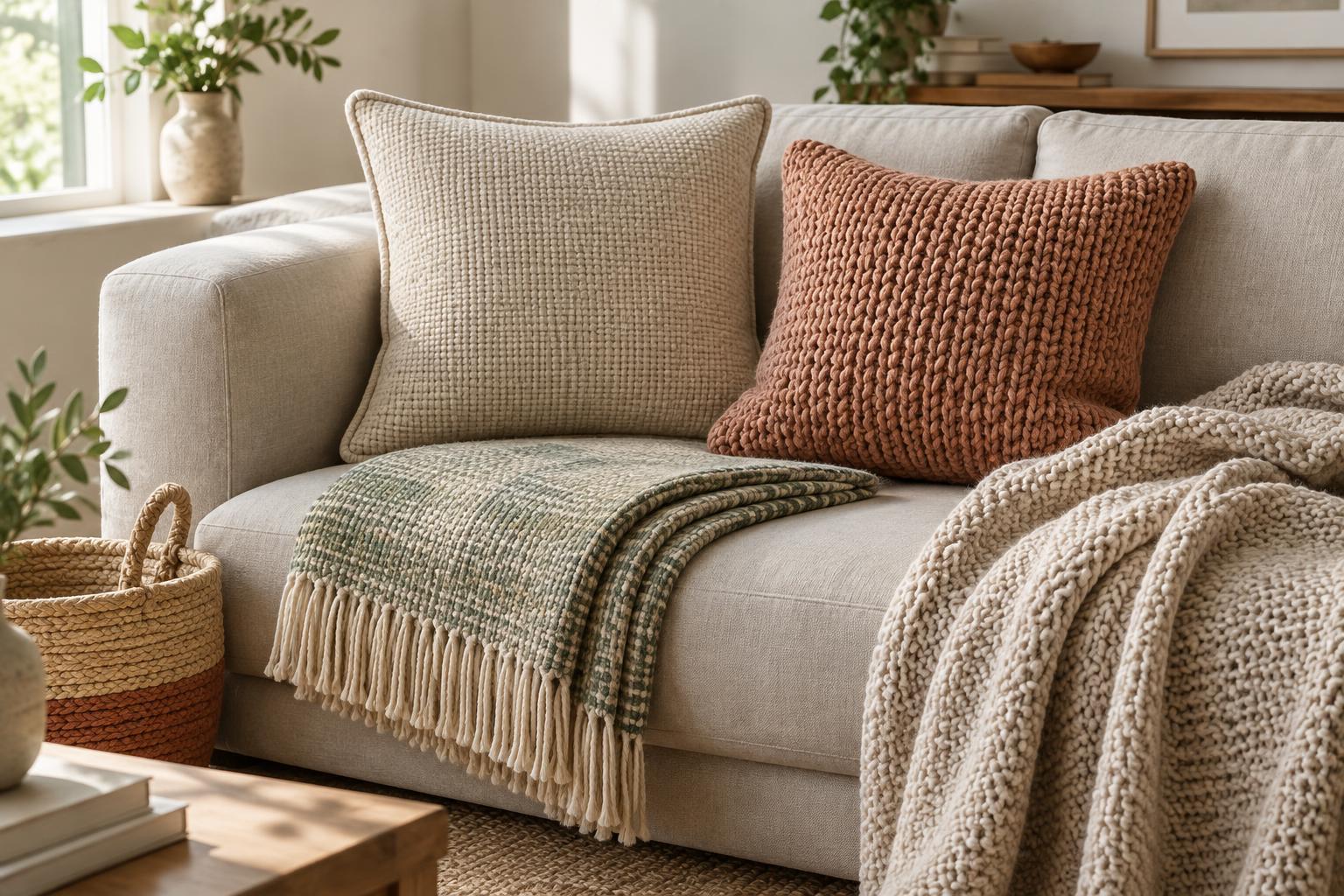
Textiles and FibersWoven fabrics offer structure and crisp edges; knitted fabrics offer stretch and a softer drape. Learn how each behaves in cushion covers, throws, baskets and other home accessories, and how to choose a fabric that suits the project.
Read article · 4 min↗
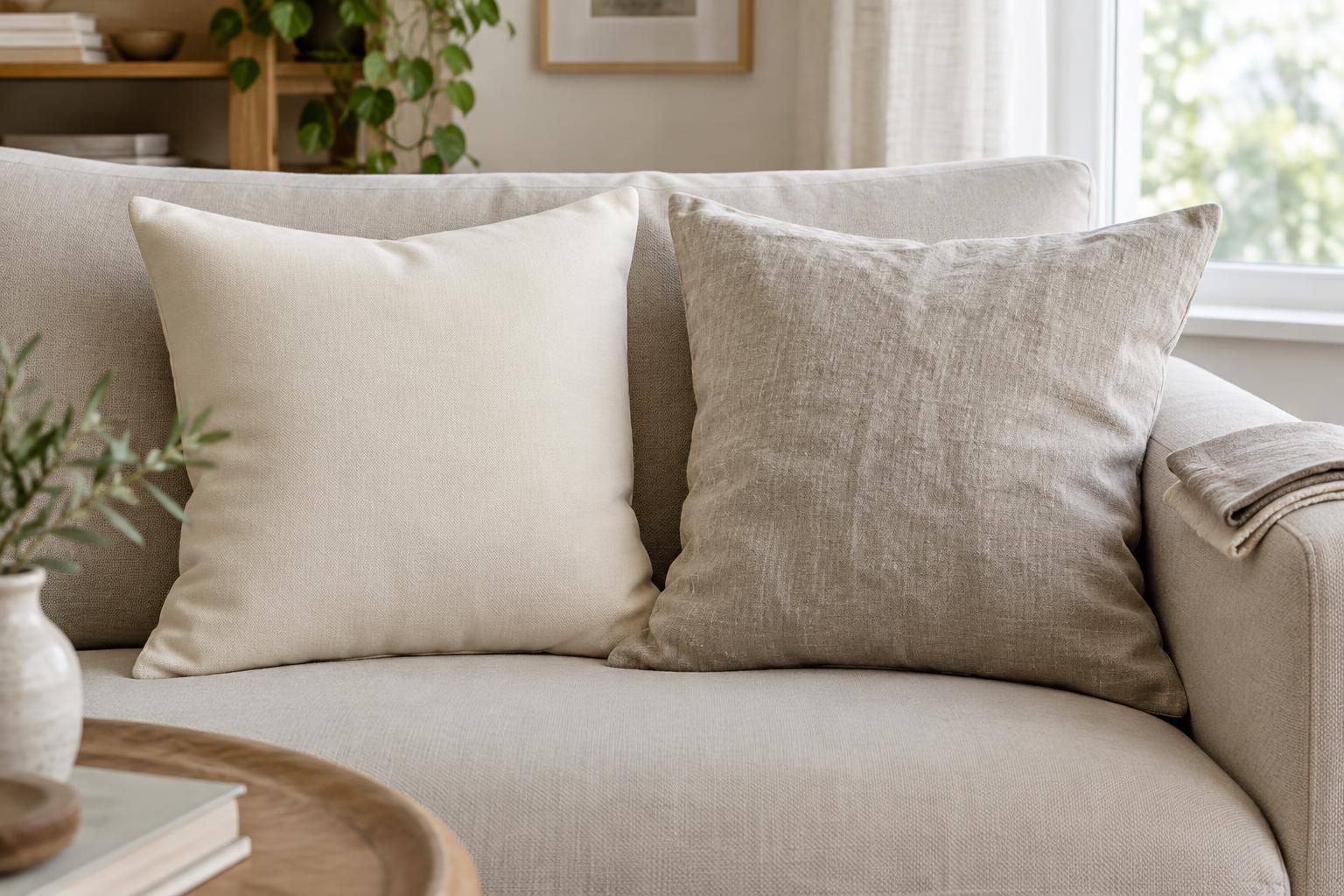
Textiles and FibersCotton and linen can both make inviting cushion covers, but they feel and behave differently. Compare their textures, how they crease, and what to check before washing so you can choose a fabric that suits your room and routine.
Read article · 4 min↗
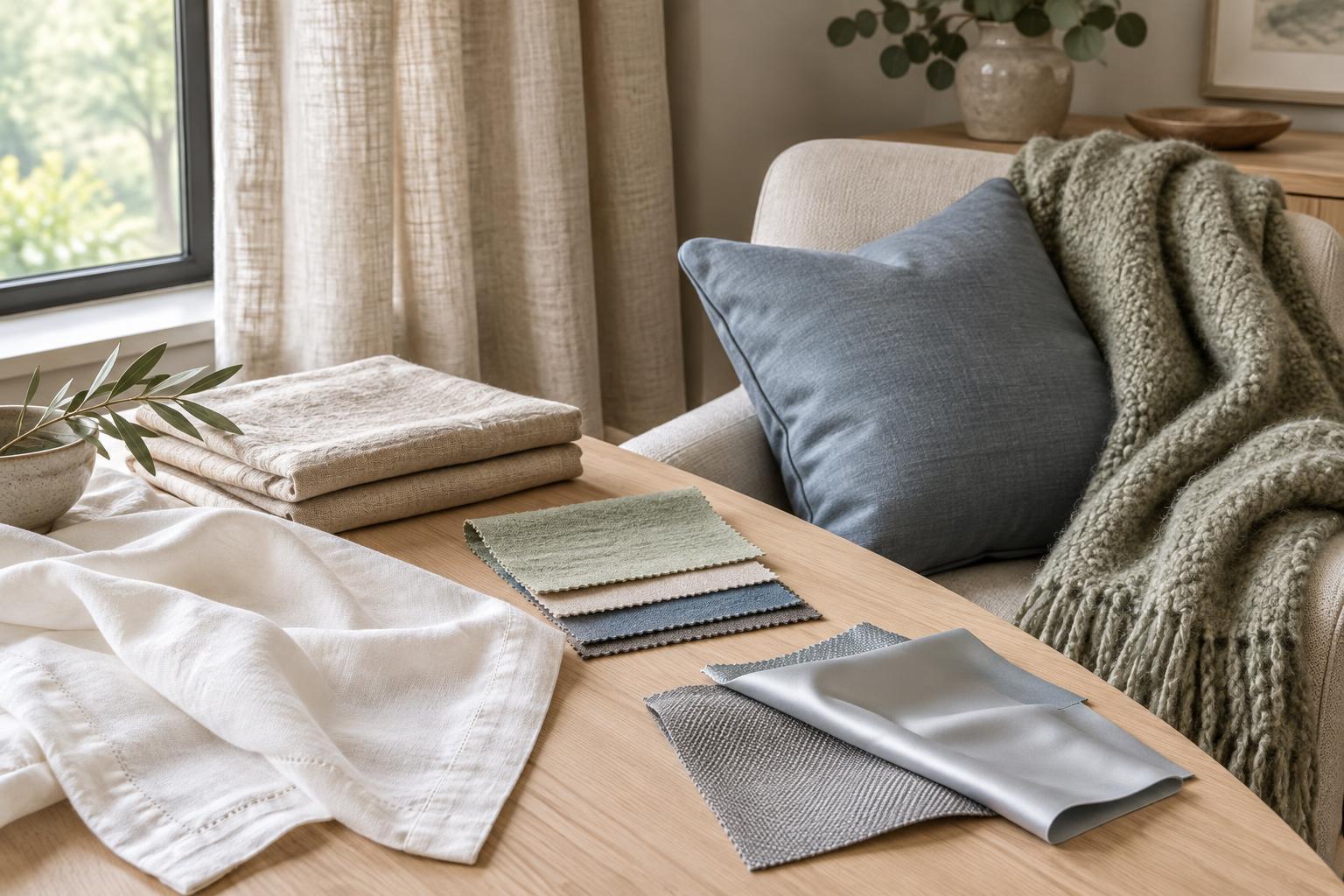
Textiles and FibersCotton, linen, wool, polyester and other fibers can change how a home textile feels, hangs and wears. Learn what to consider when choosing fabrics for cushions, throws, curtains and table linens.
Read article · 4 min↗
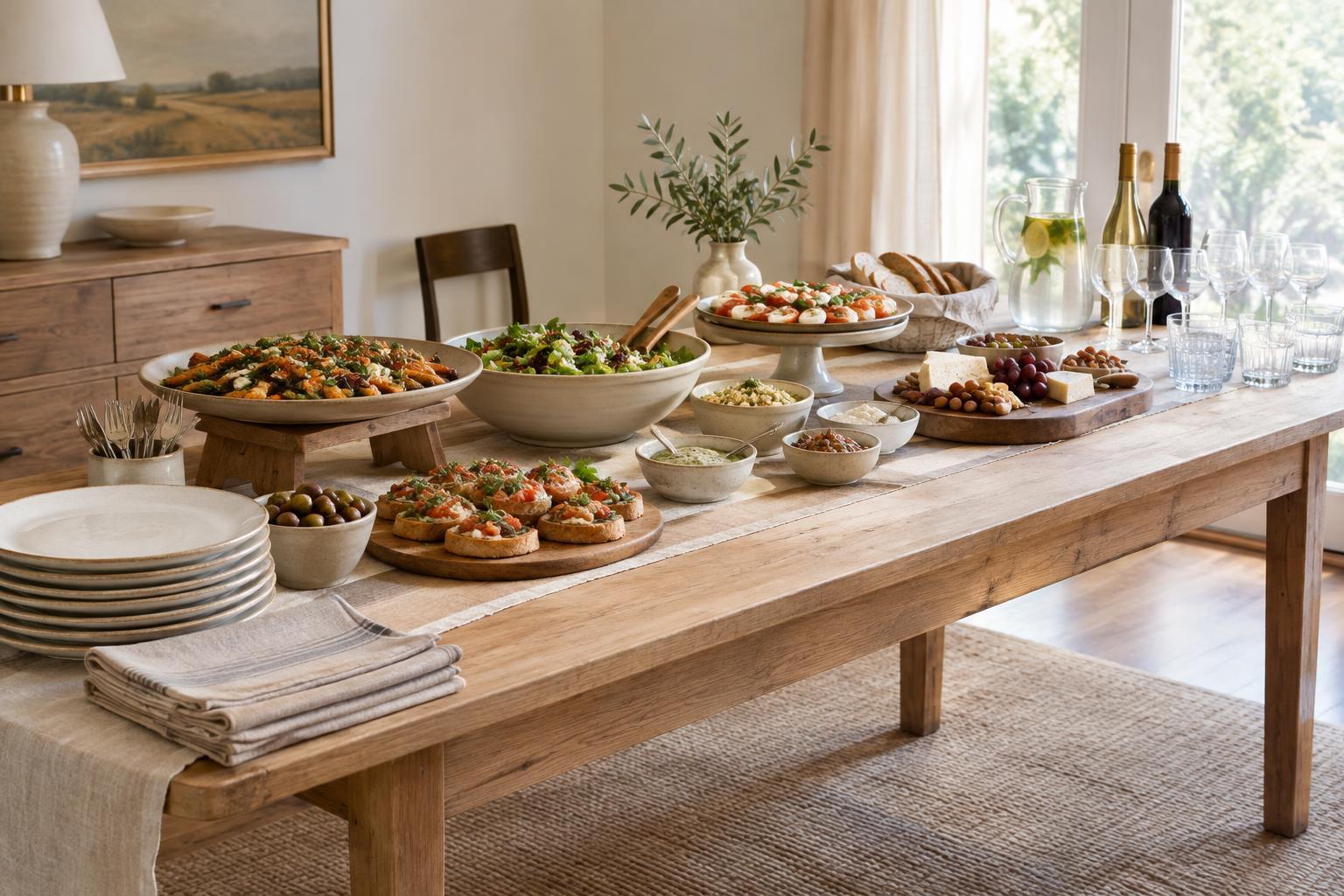
Shelf and Table StylingA buffet table works best when guests can see what is offered, reach it comfortably, and move along without doubling back. Use a simple serving sequence, varied heights, and a restrained mix of decorative objects to make the table both practical and inviting.
Read article · 4 min↗
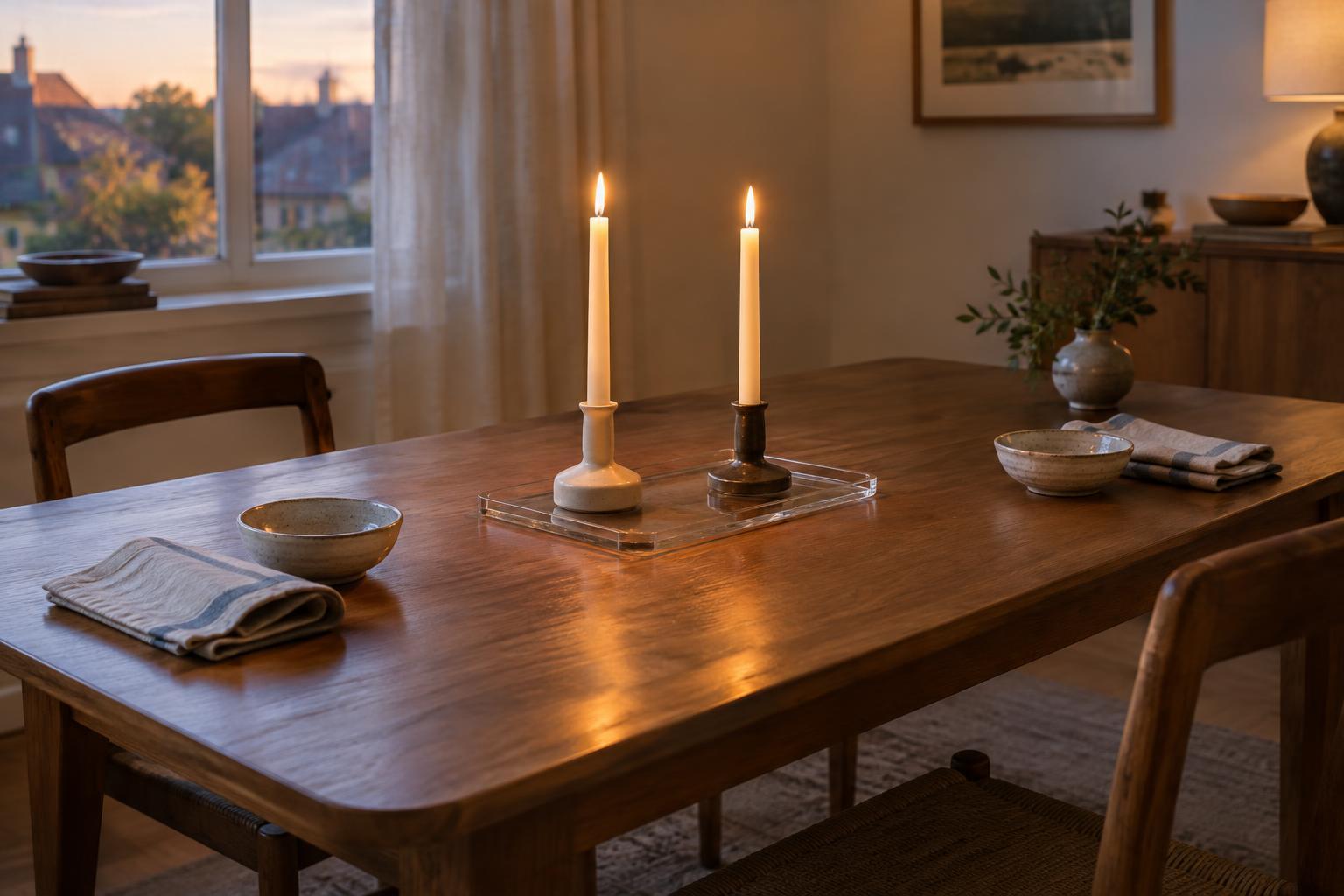
Shelf and Table StylingCandles can make a table feel warm and welcoming, but their glow needs space. Build a simple arrangement around stable holders, clear sightlines, and decorations that stay well away from heat and flame.
Read article · 3 min↗
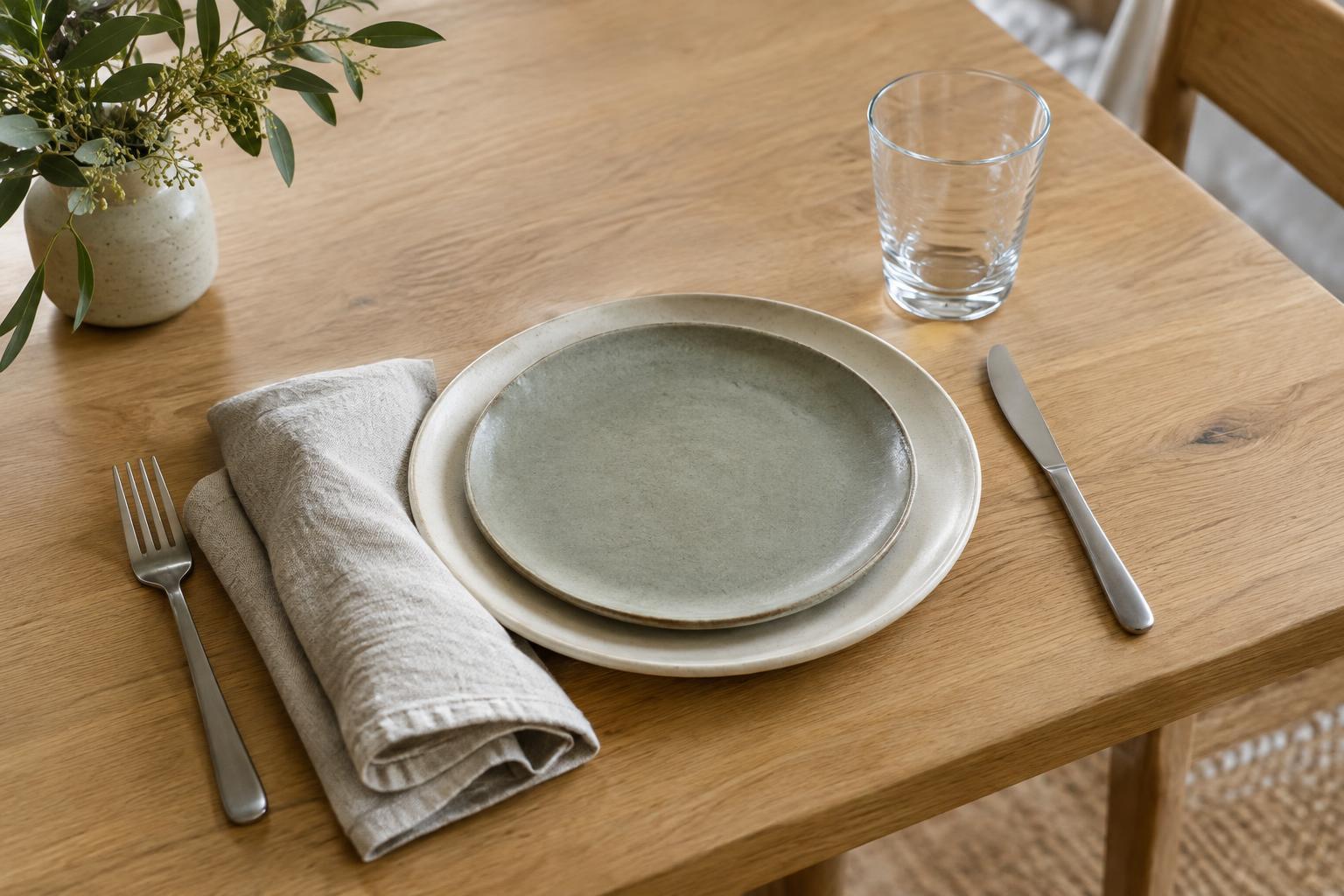
Shelf and Table StylingA welcoming place setting needs only a few well-chosen pieces. Learn how to build a practical base, add a napkin and glass, and use small contrasts in texture and color without crowding the table.
Read article · 4 min↗
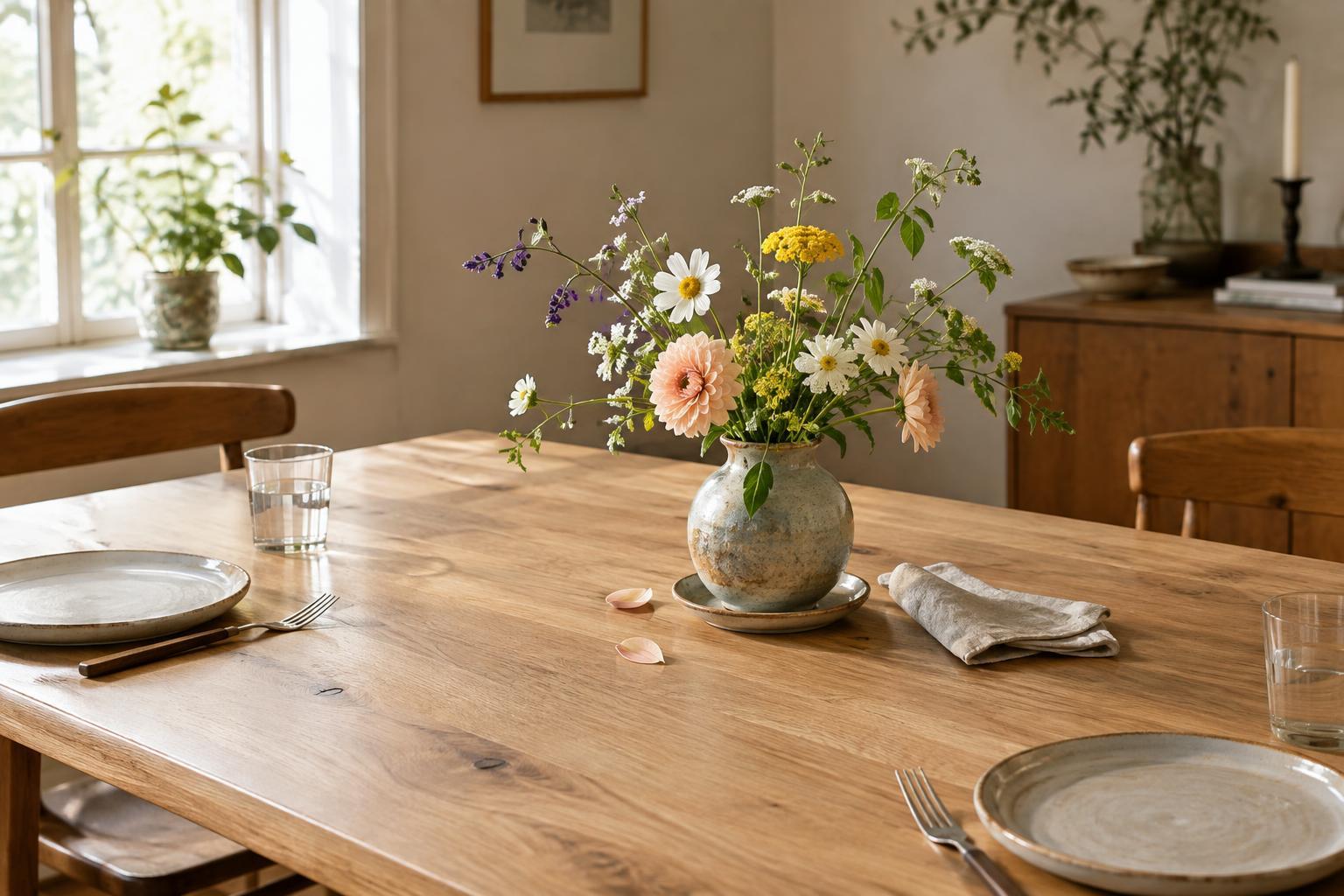
Shelf and Table StylingA table arrangement should leave room for the people and objects around it. Learn how to choose a vase, set the right height, place flowers for different occasions and catch drips before they reach the tabletop.
Read article · 4 min↗
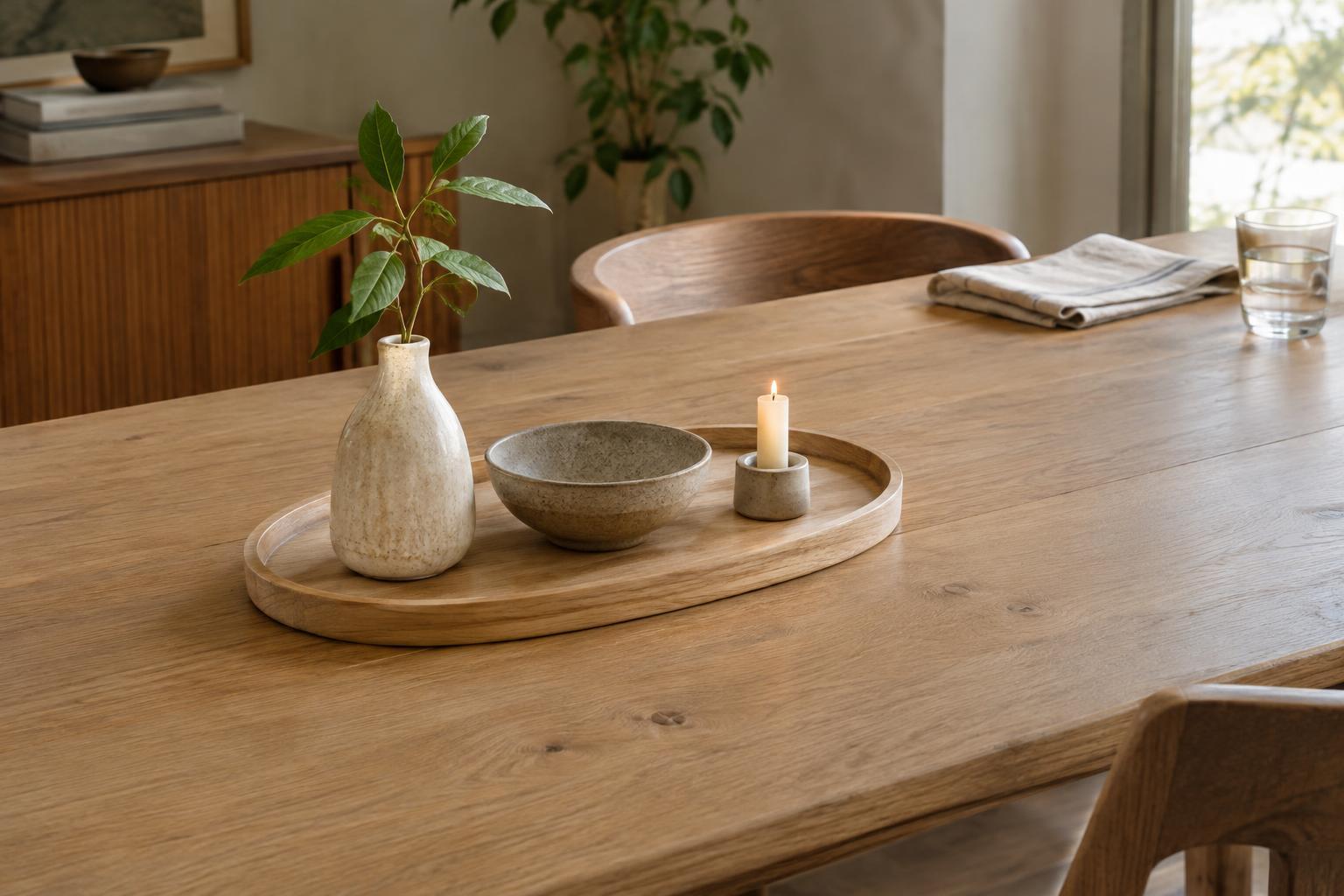
Shelf and Table StylingA tray can turn a few separate objects into one intentional arrangement. Learn how to choose a tray, build a balanced display, and leave enough room for the table to remain useful.
Read article · 4 min↗
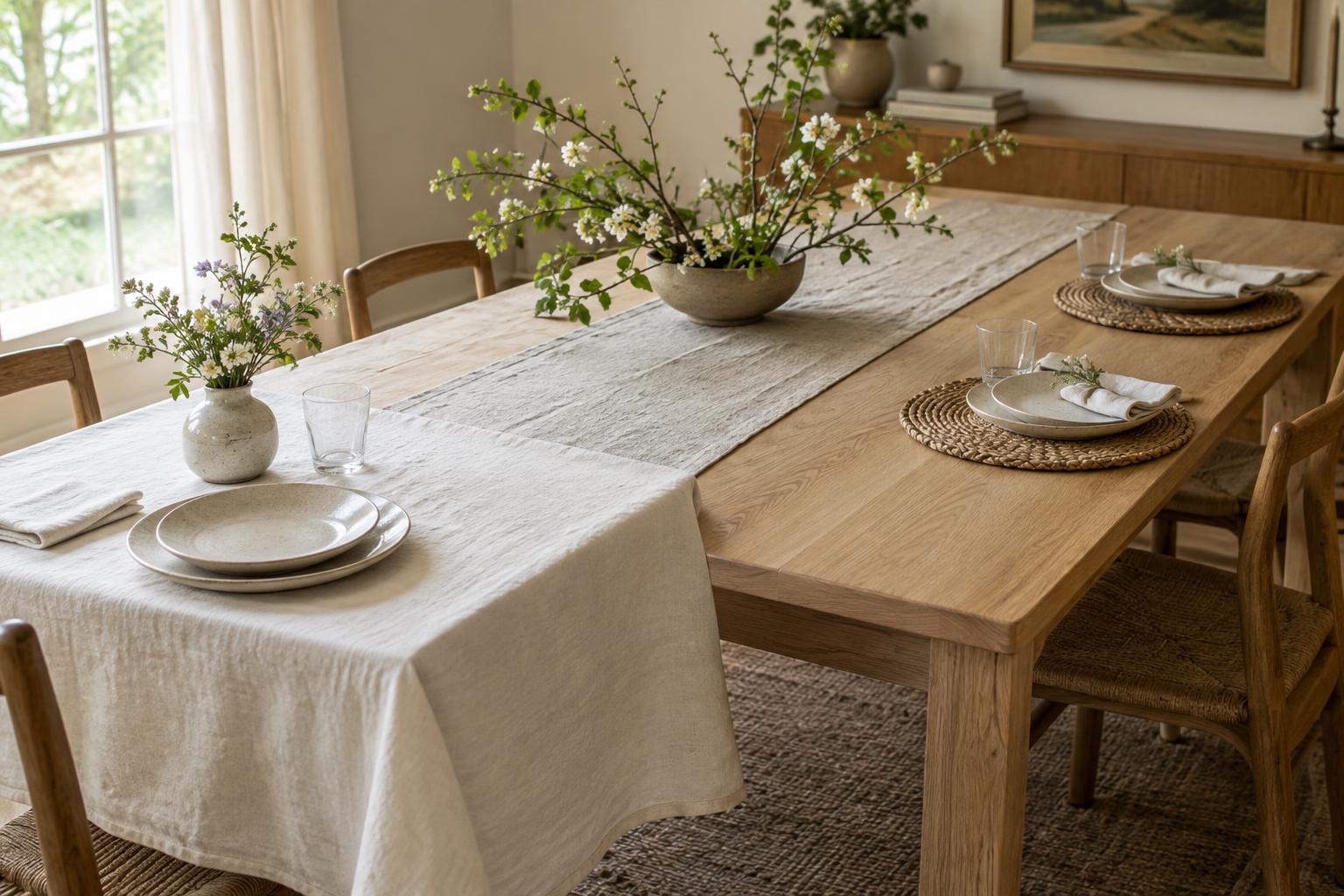
Shelf and Table StylingA tablecloth, runner or set of placemats changes more than the look of a table. Each creates a different backdrop for dishes, flowers and everyday objects. Use the size of your table, your dining habits and the display you want to build to choose a foundation that works.
Read article · 4 min↗
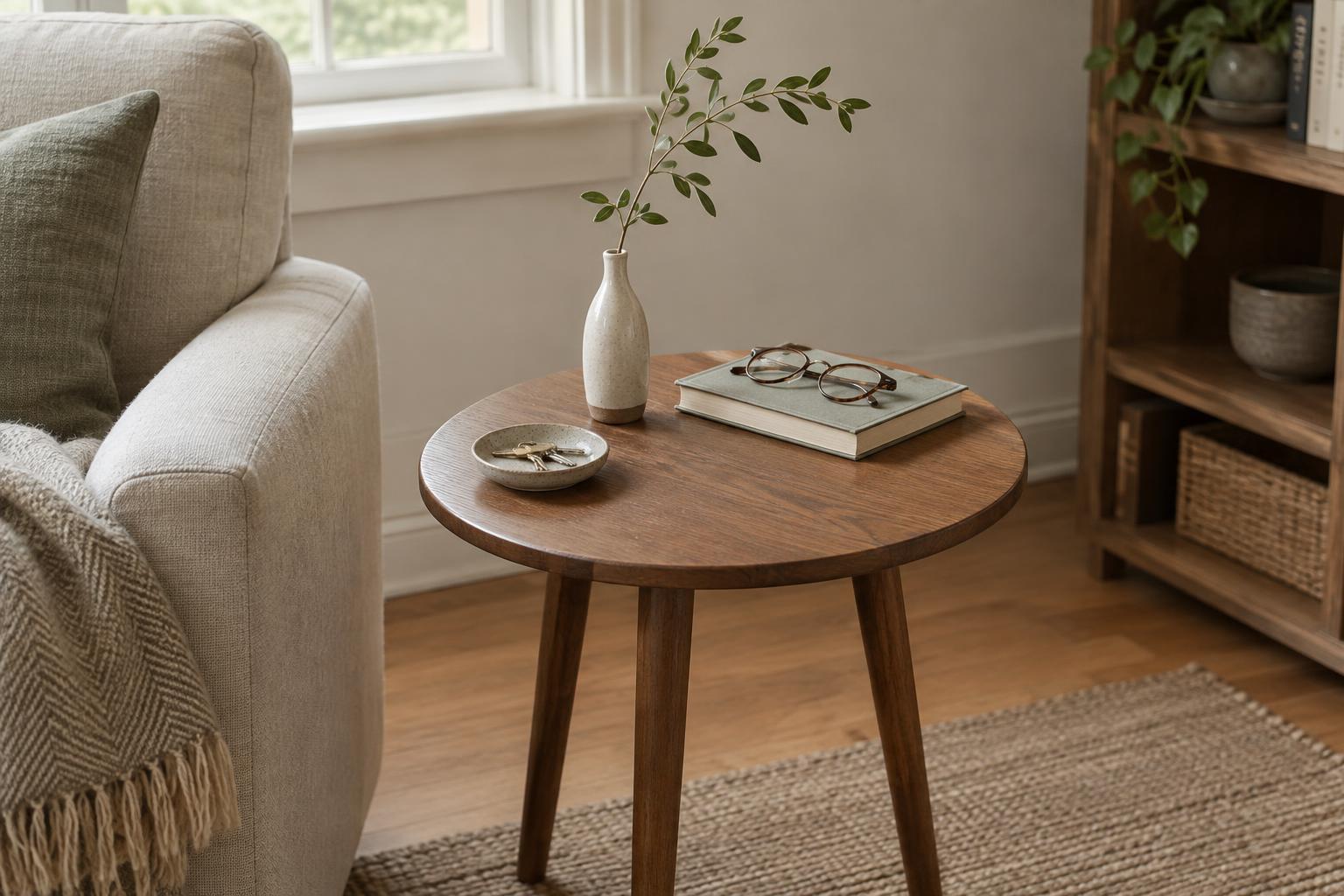
Shelf and Table StylingA small side table can hold daily essentials and still look considered. Start with the table’s practical job, then use scale, height and a little empty space to make a simple arrangement feel balanced.
Read article · 3 min↗
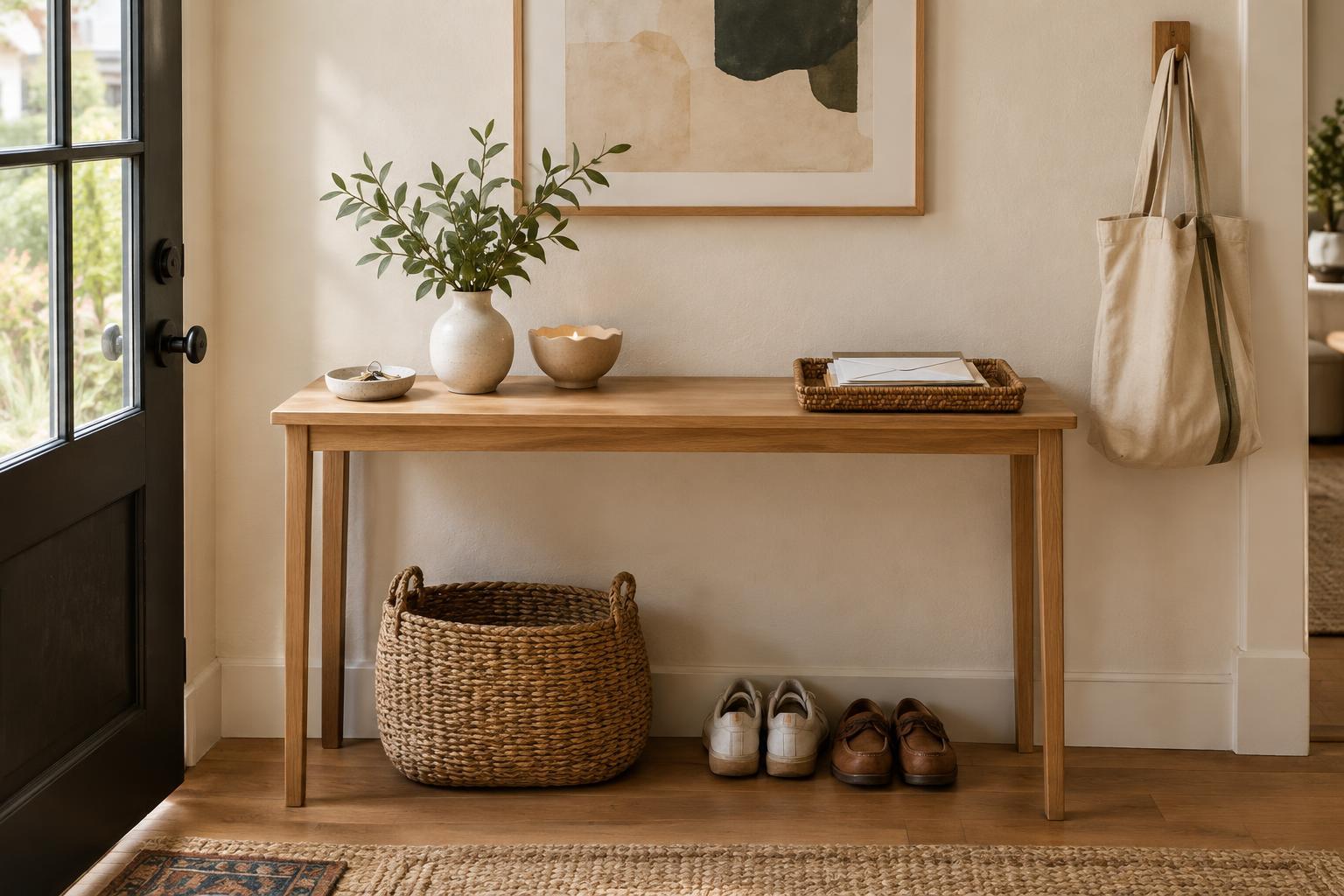
Shelf and Table StylingAn entryway console can be both a welcoming display and a useful landing place. Give keys, mail and grab-and-go items clear homes, then use a few decorative objects to make the arrangement feel considered rather than crowded.
Read article · 4 min↗

Shelf and Table StylingA dining table centerpiece should bring the setting together without becoming a wall between guests. Learn how to choose a low profile, leave room for serving dishes, and use simple objects to add texture and warmth.
Read article · 3 min↗
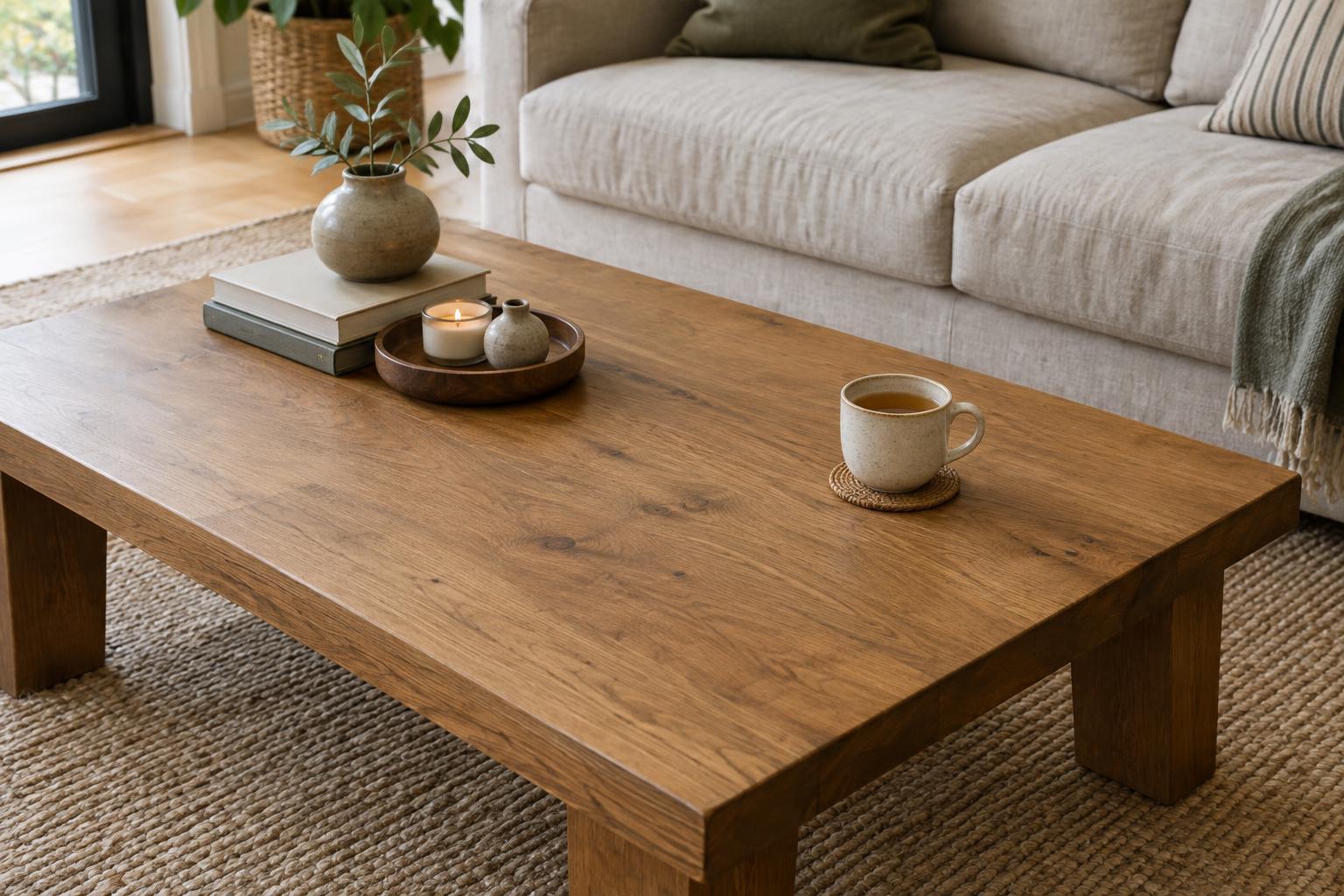
Shelf and Table StylingA coffee table can hold a thoughtful arrangement without becoming an obstacle. Start with the space you need for drinks and daily activities, then use a few objects, varied heights and a simple reset routine to keep the surface both useful and inviting.
Read article · 3 min↗
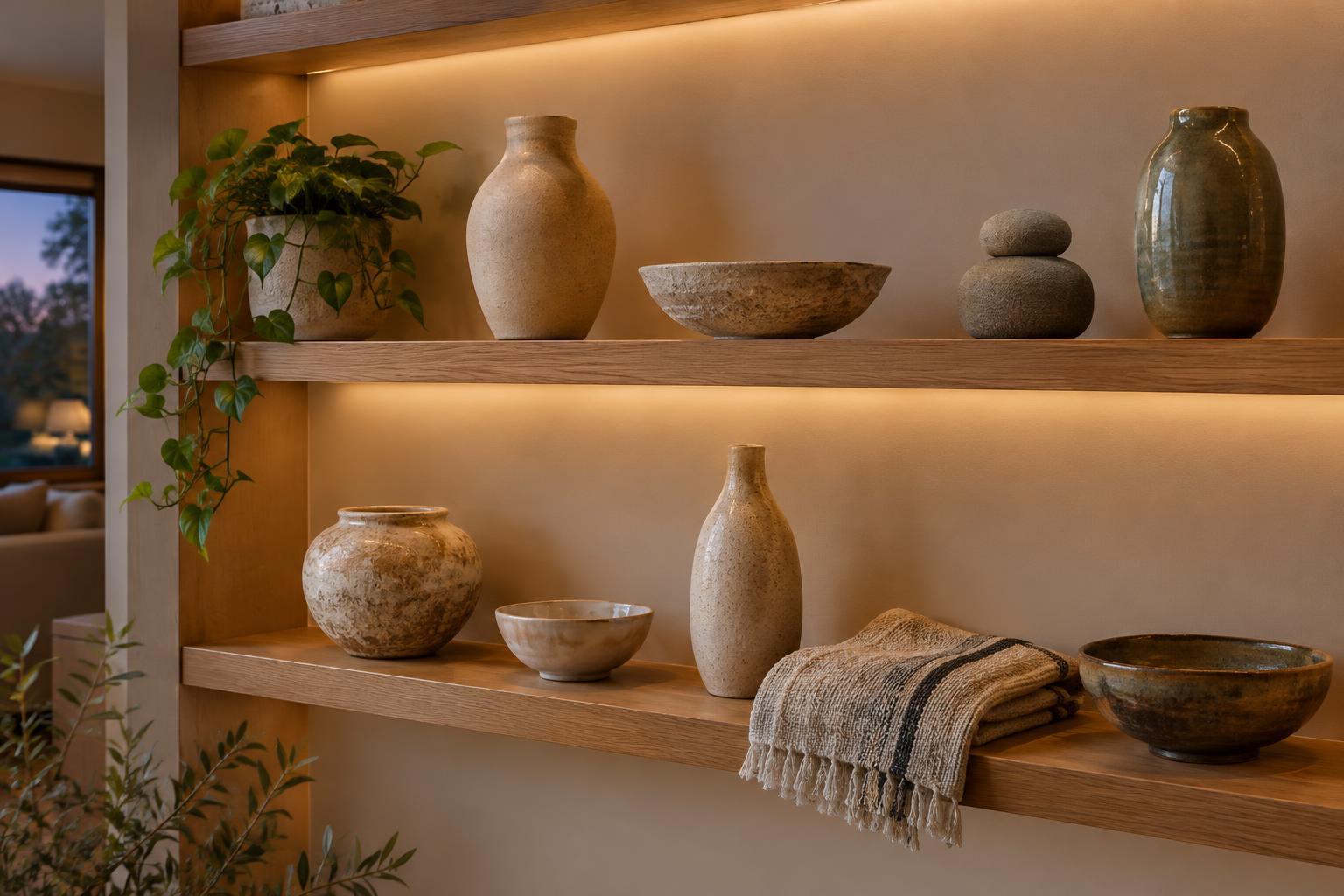
Shelf and Table StylingA shelf looks its best when light reveals the shape and texture of its objects without shining into your eyes. Learn how to balance room light with gentle accents, position fixtures around reflective pieces, and make a simple evening check before settling on a layout.
Read article · 4 min↗
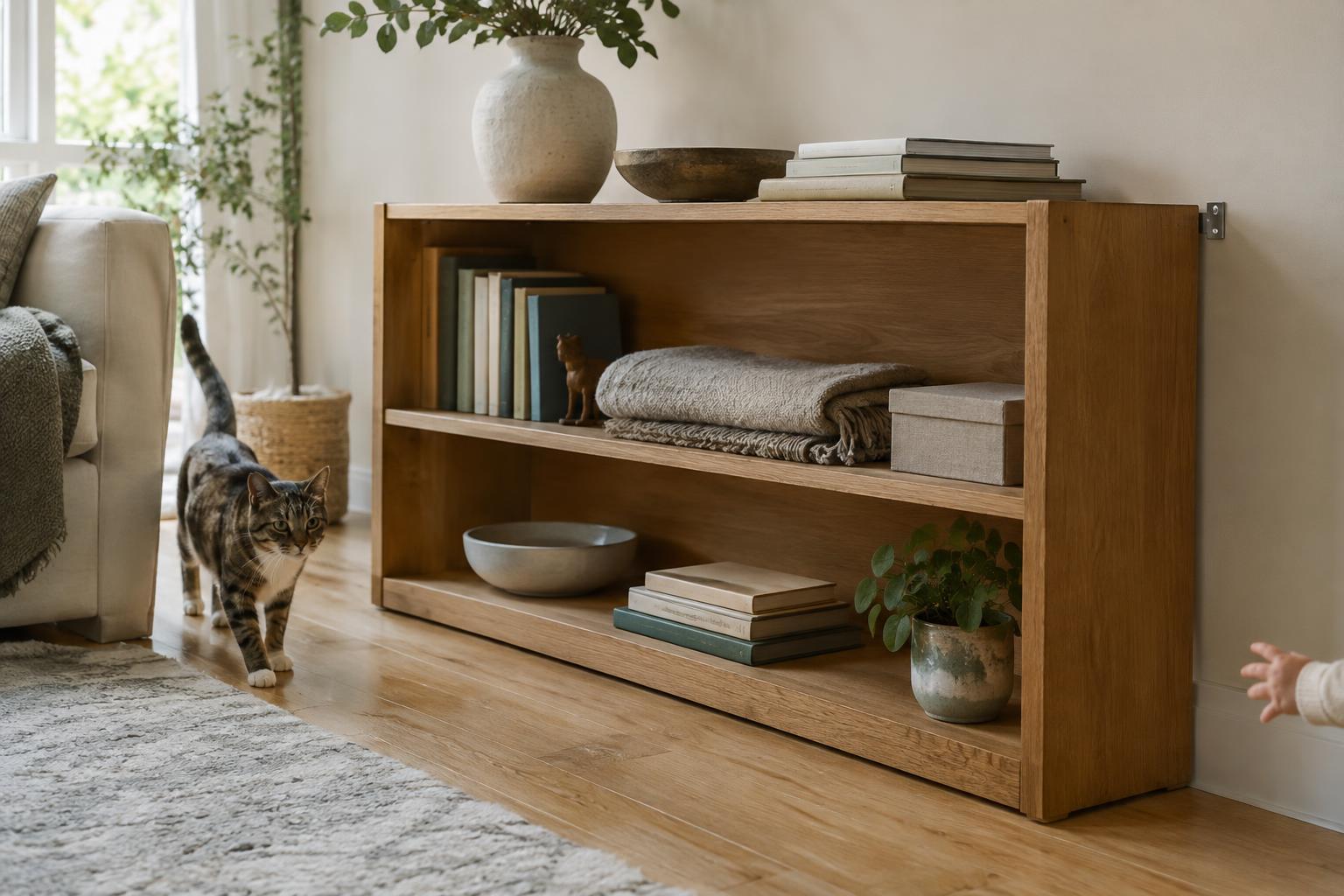
Shelf and Table StylingA shelf can look carefully composed and still be vulnerable to a curious hand, wagging tail or climbing cat. Build a steadier display by securing the furniture first, choosing suitable objects and leaving room for everyday movement.
Read article · 4 min↗
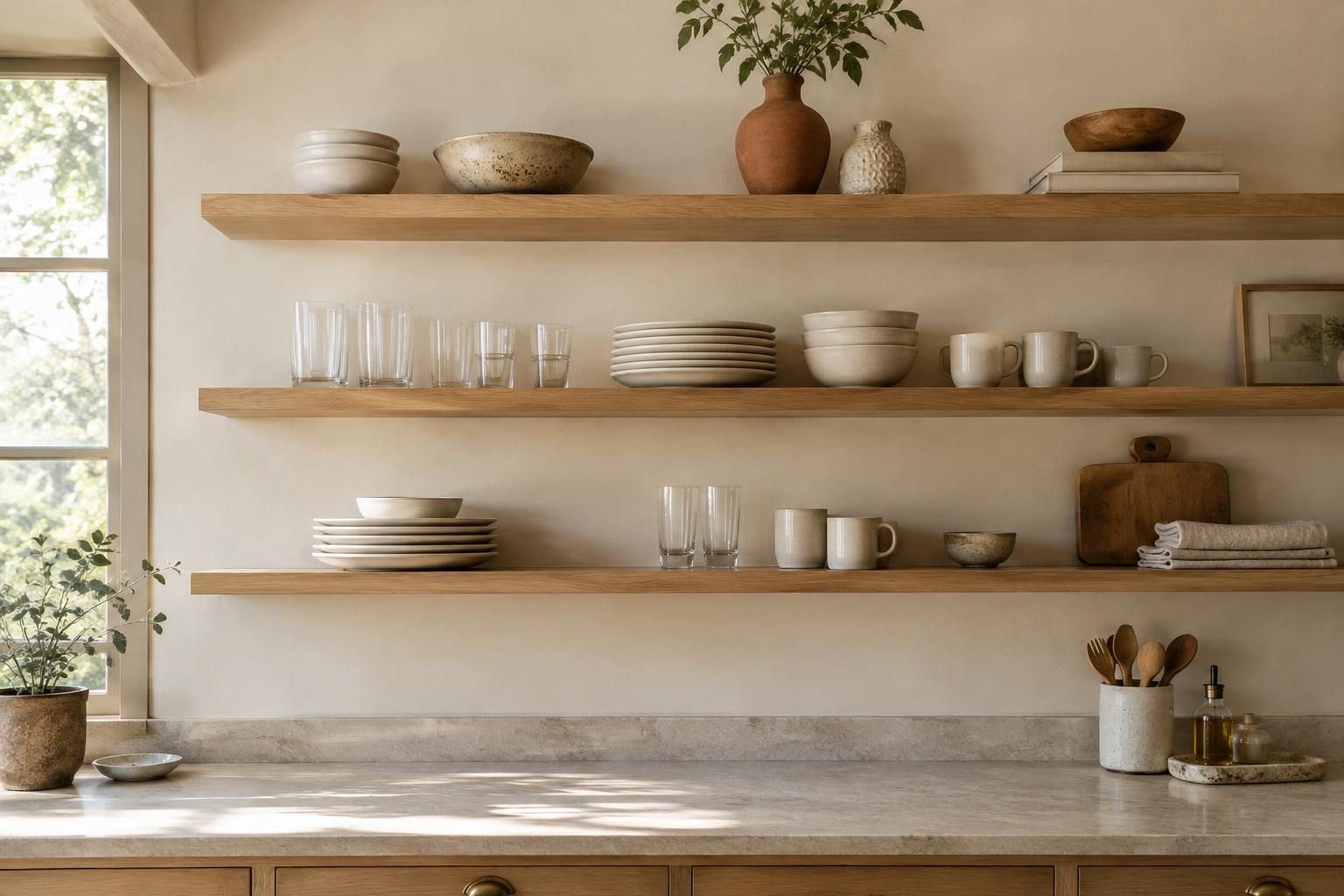
Shelf and Table StylingOpen kitchen shelves work best when useful dishes are easy to reach and decorative objects have room to be noticed. Learn how to arrange shelves around daily habits, vary shapes and textures, and keep the display manageable.
Read article · 4 min↗
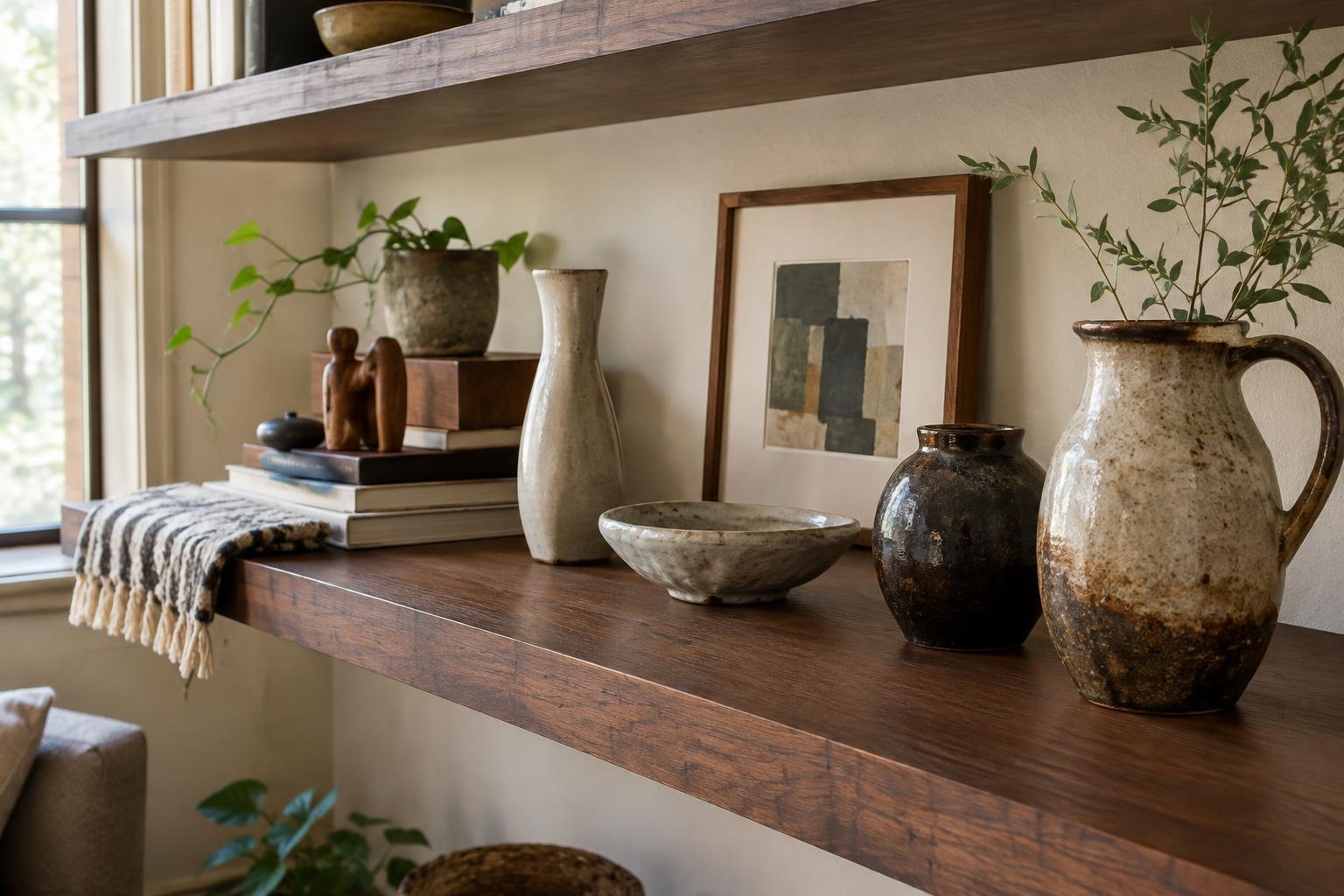
Shelf and Table StylingA deep shelf offers room for a generous display, but smaller pieces can disappear behind the front row. Use height, spacing, contrast and a few simple supports to make the whole arrangement easy to see.
Read article · 4 min↗
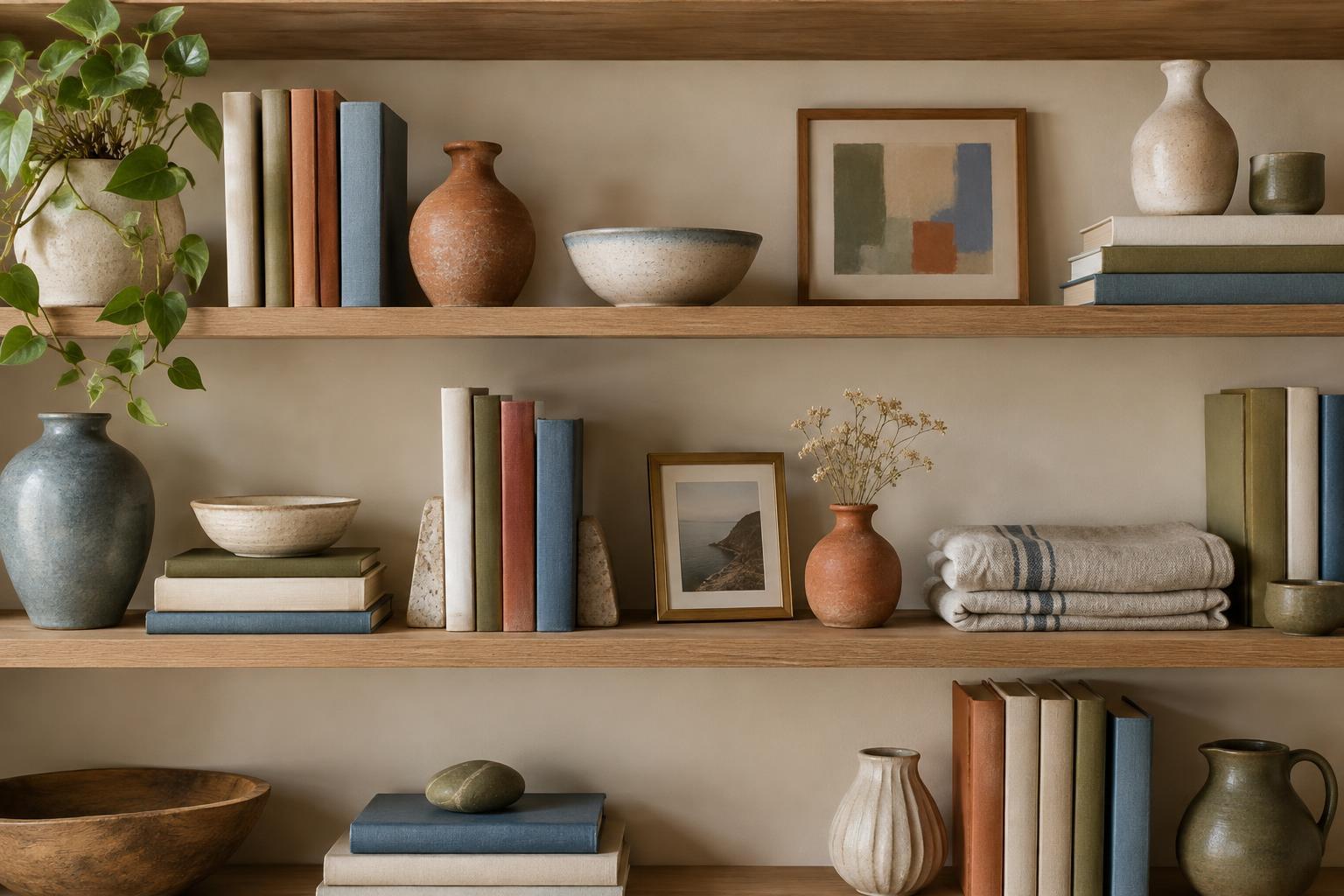
Shelf and Table StylingA cohesive shelf does not require a matching set or a shopping trip. Learn how to find a palette in the books, ceramics, textiles, and keepsakes you have, then arrange their colors so the display feels intentional and personal.
Read article · 4 min↗
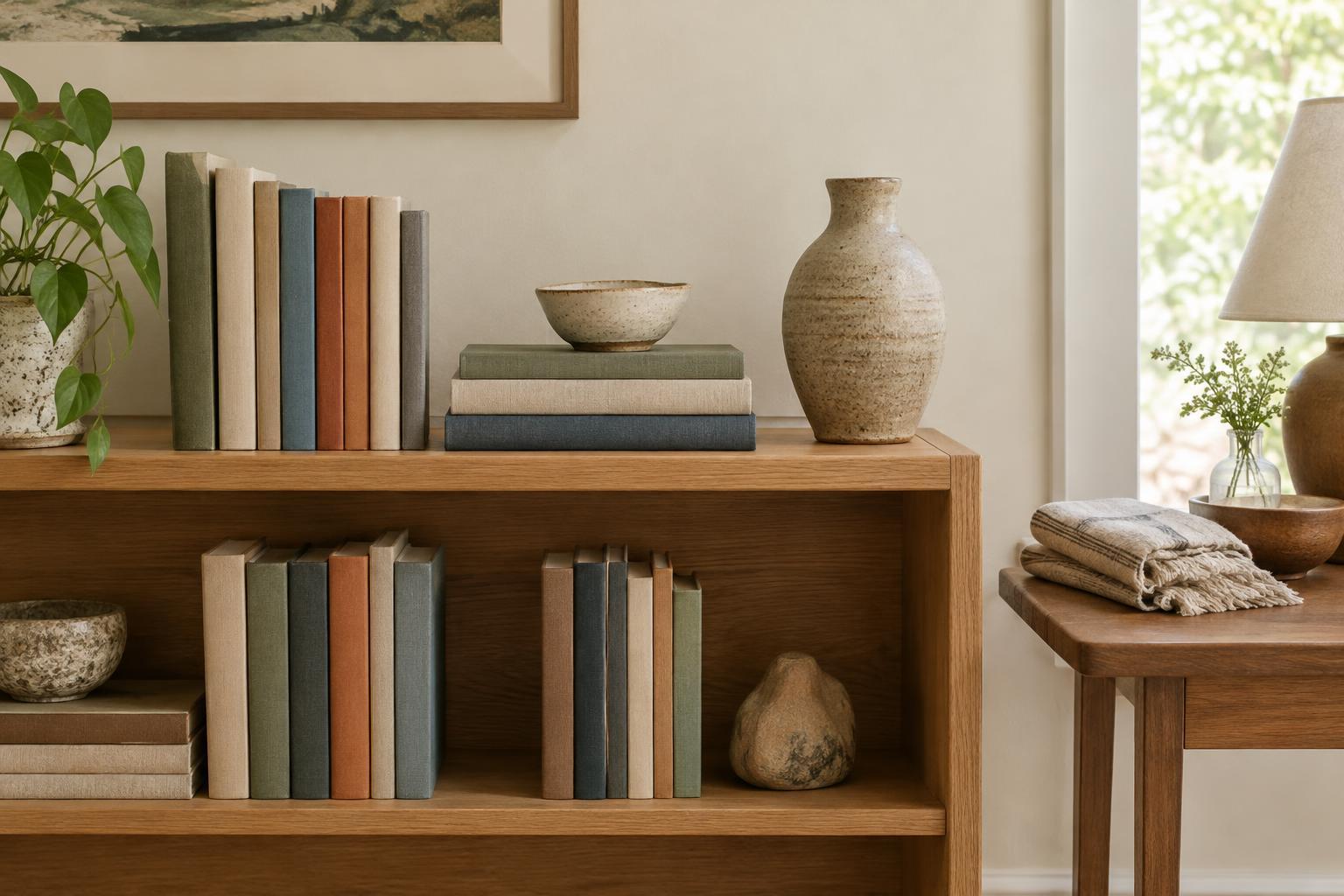
Shelf and Table StylingBooks bring color, texture and a sense of use to shelves and tables. Learn when to stand them upright, when to make a stack, and how to add ceramics, textiles and other objects without making the arrangement feel crowded.
Read article · 4 min↗
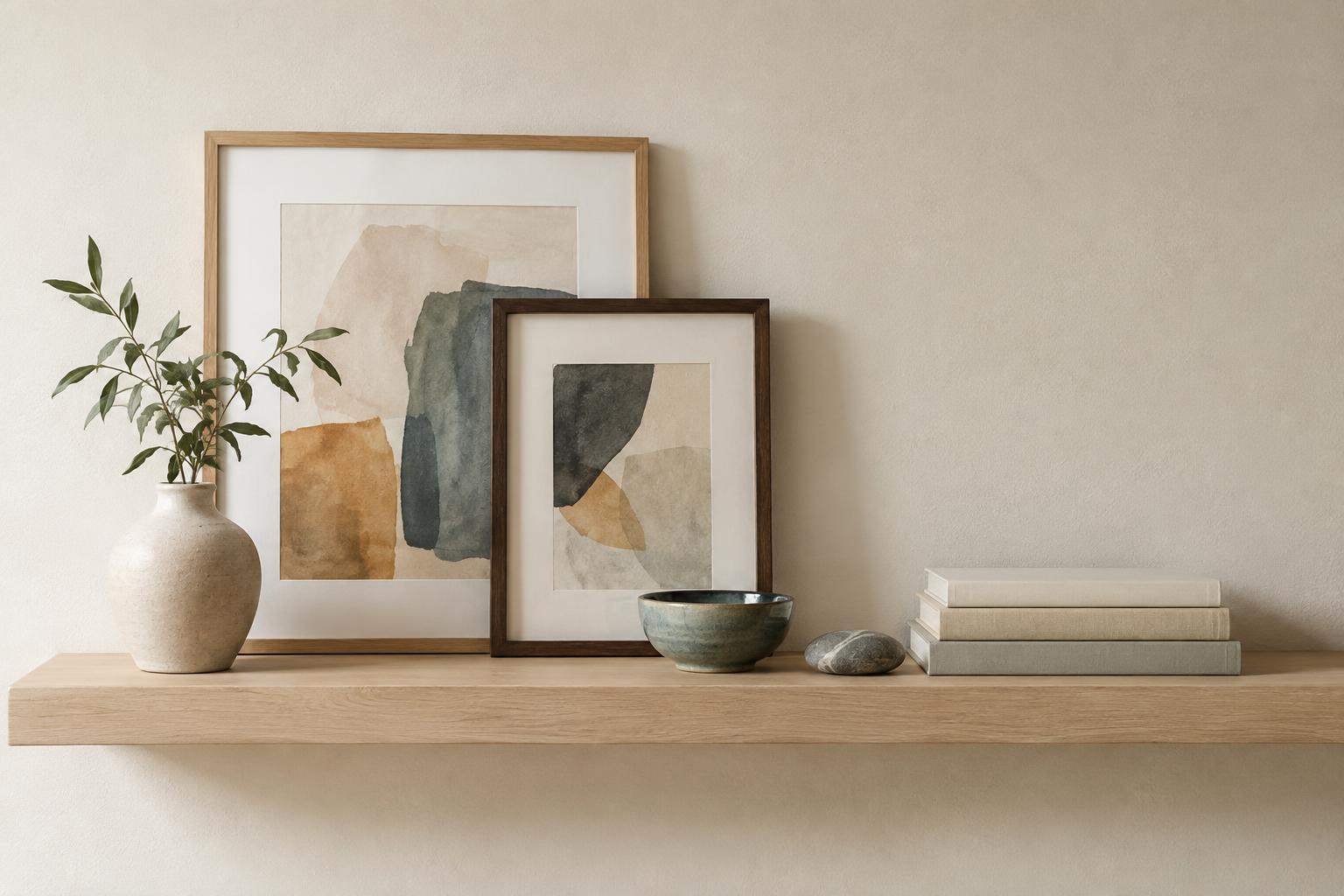
Shelf and Table StylingA shelf can hold more than a row of books or a single picture. Learn how to combine framed art, ceramics and keepsakes using overlapping shapes, varied heights and deliberate empty space.
Read article · 4 min↗
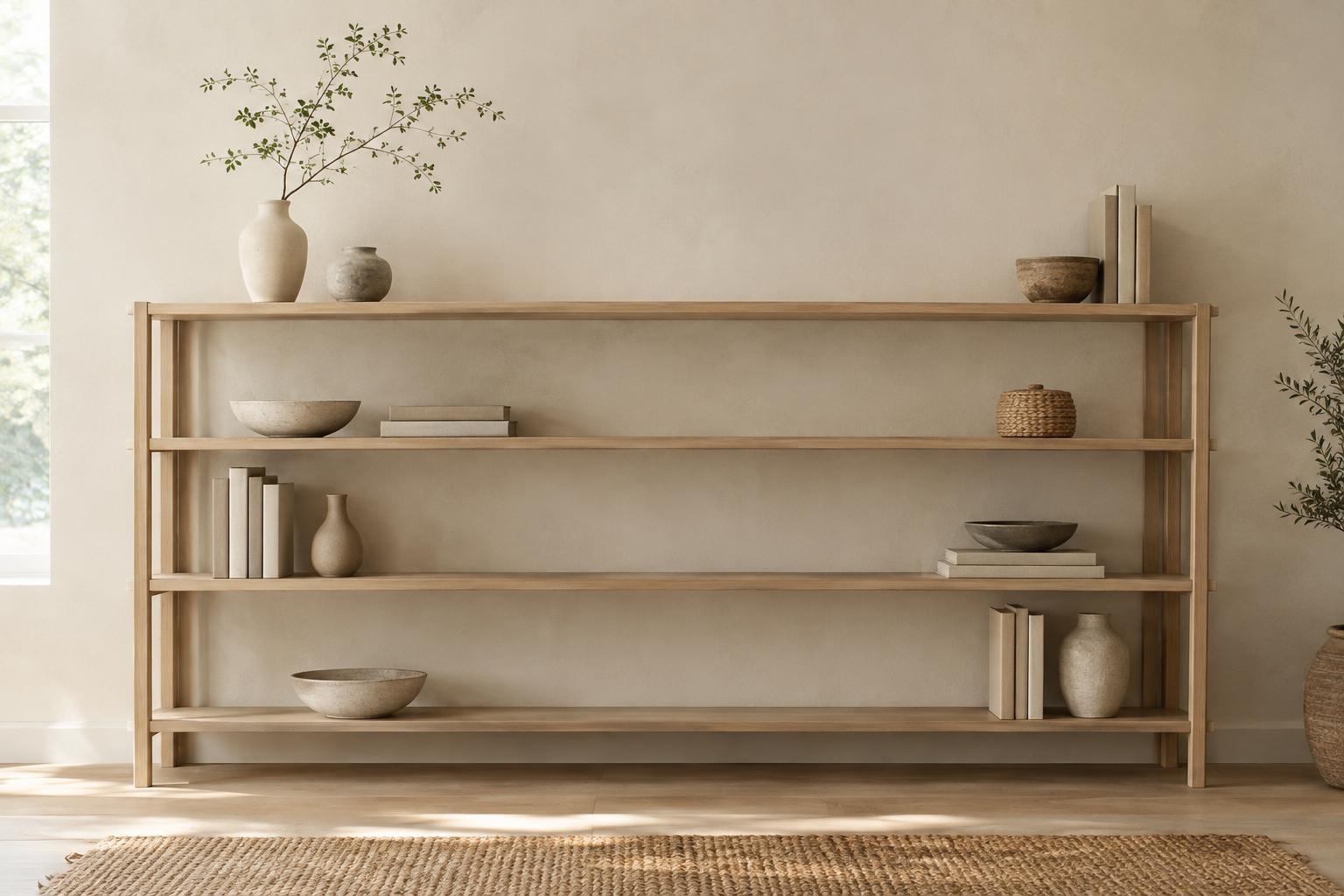
Shelf and Table StylingA balanced shelf is shaped as much by what you leave empty as by what you display. Learn how to use gaps, varied heights and visual weight to give ceramics, books and small objects room to stand out.
Read article · 4 min↗
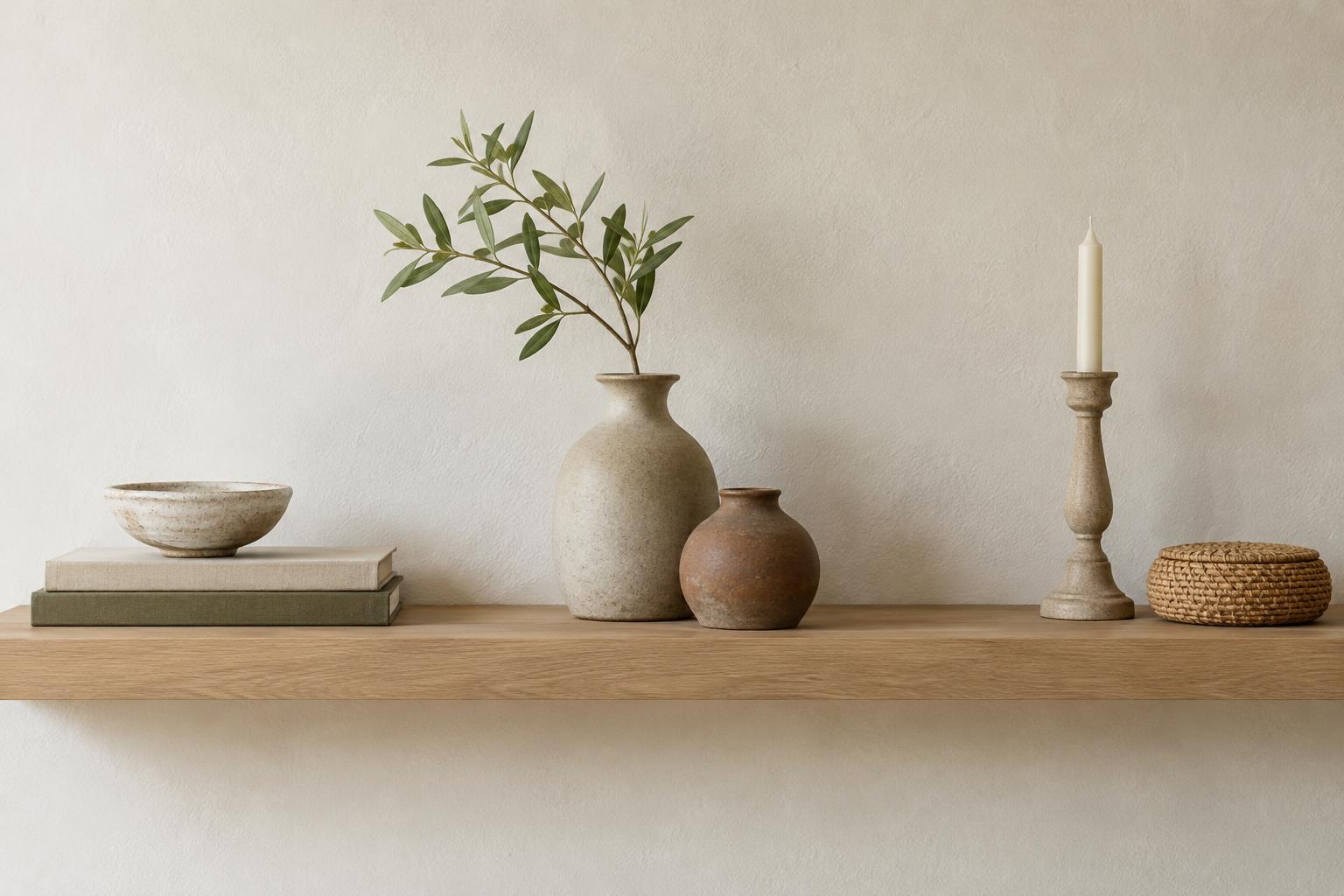
Shelf and Table StylingA shelf feels more interesting when its objects rise and fall, but too many height changes can make it look busy. Learn how to build a simple arrangement with clear groups, useful gaps and a few carefully placed taller pieces.
Read article · 4 min↗
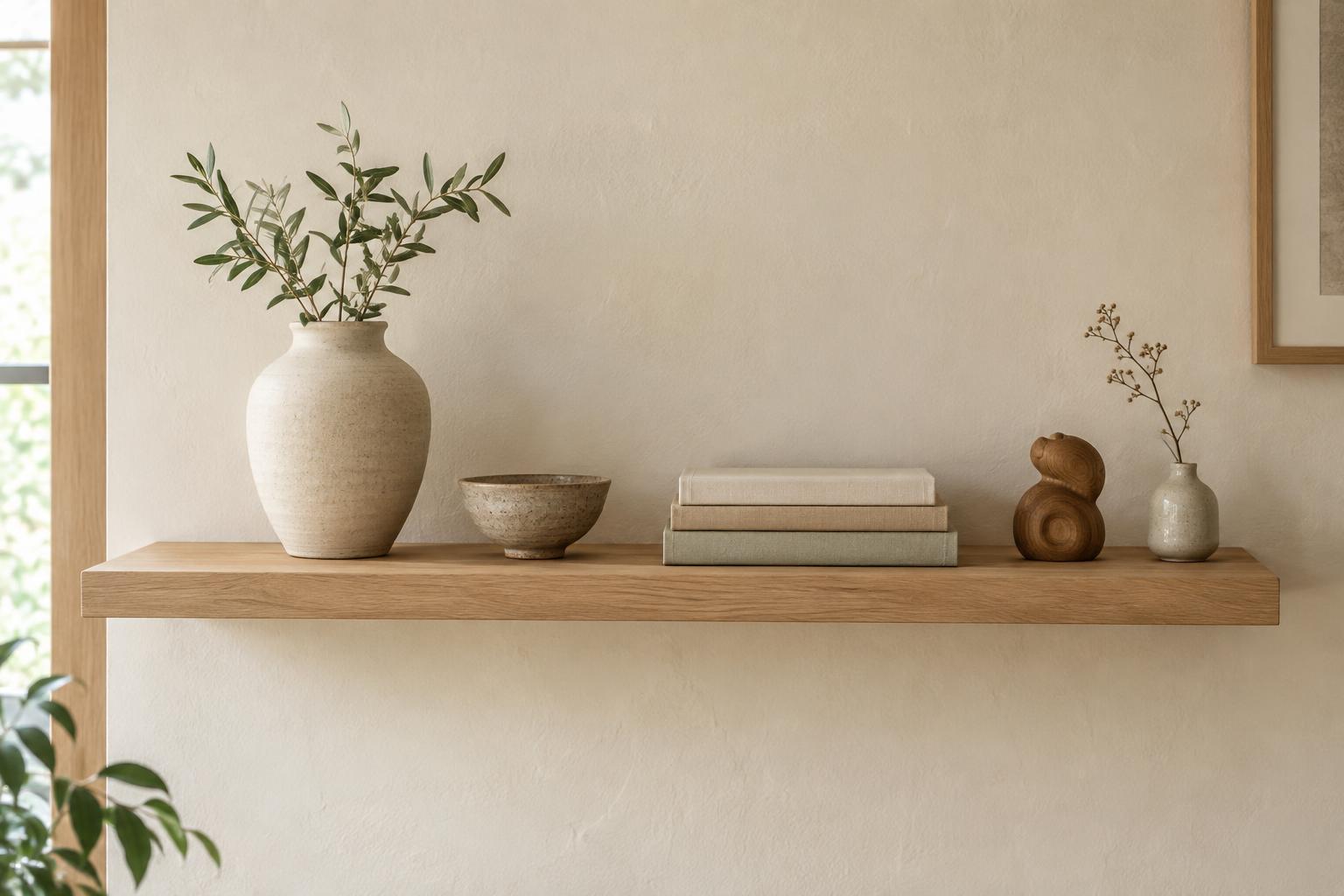
Shelf and Table StylingA shelf looks more considered when its objects relate to the space around them, not just to one another. Use shelf measurements, varied heights, clear gaps and a few practical checks to choose pieces that fit and feel balanced.
Read article · 4 min↗
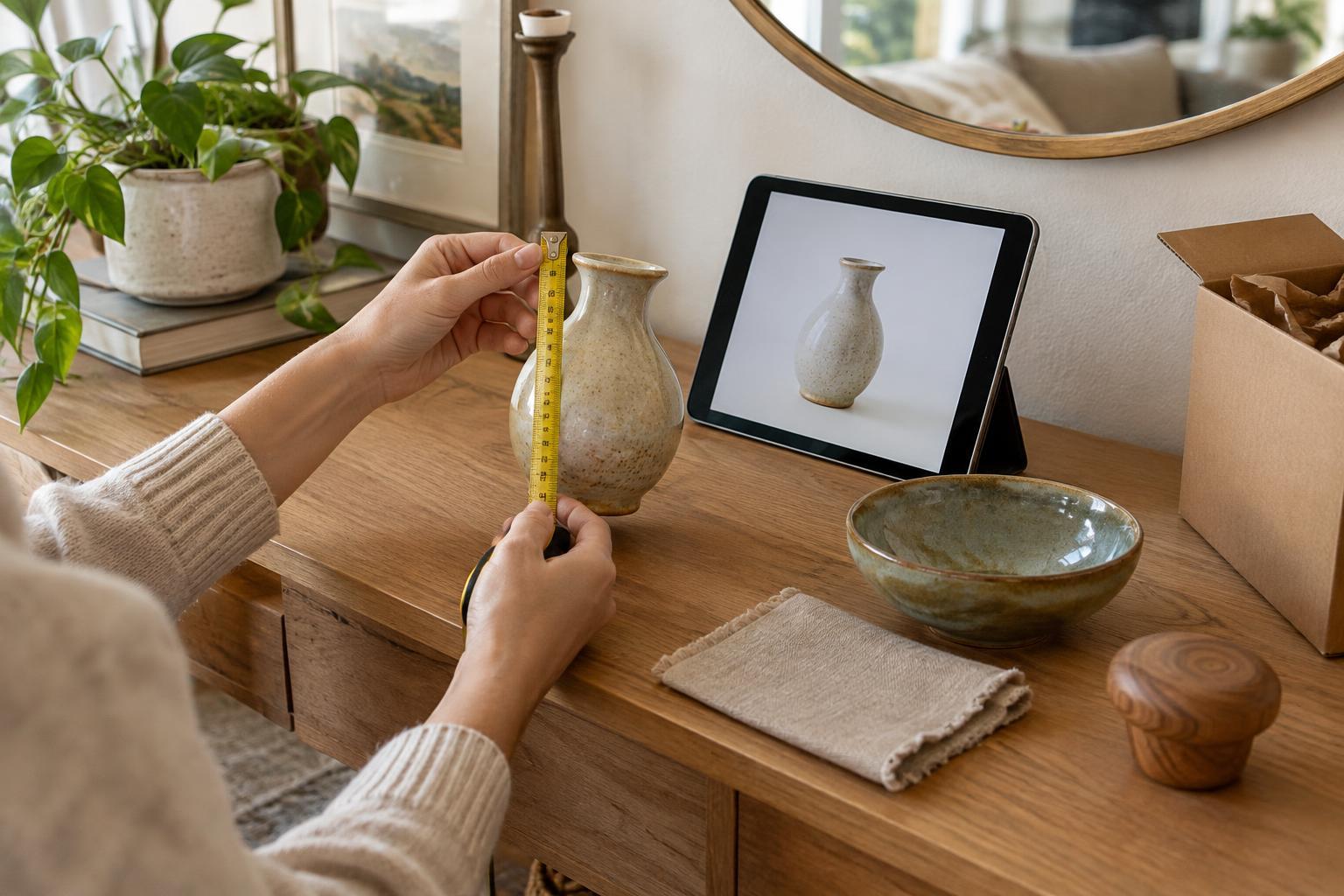
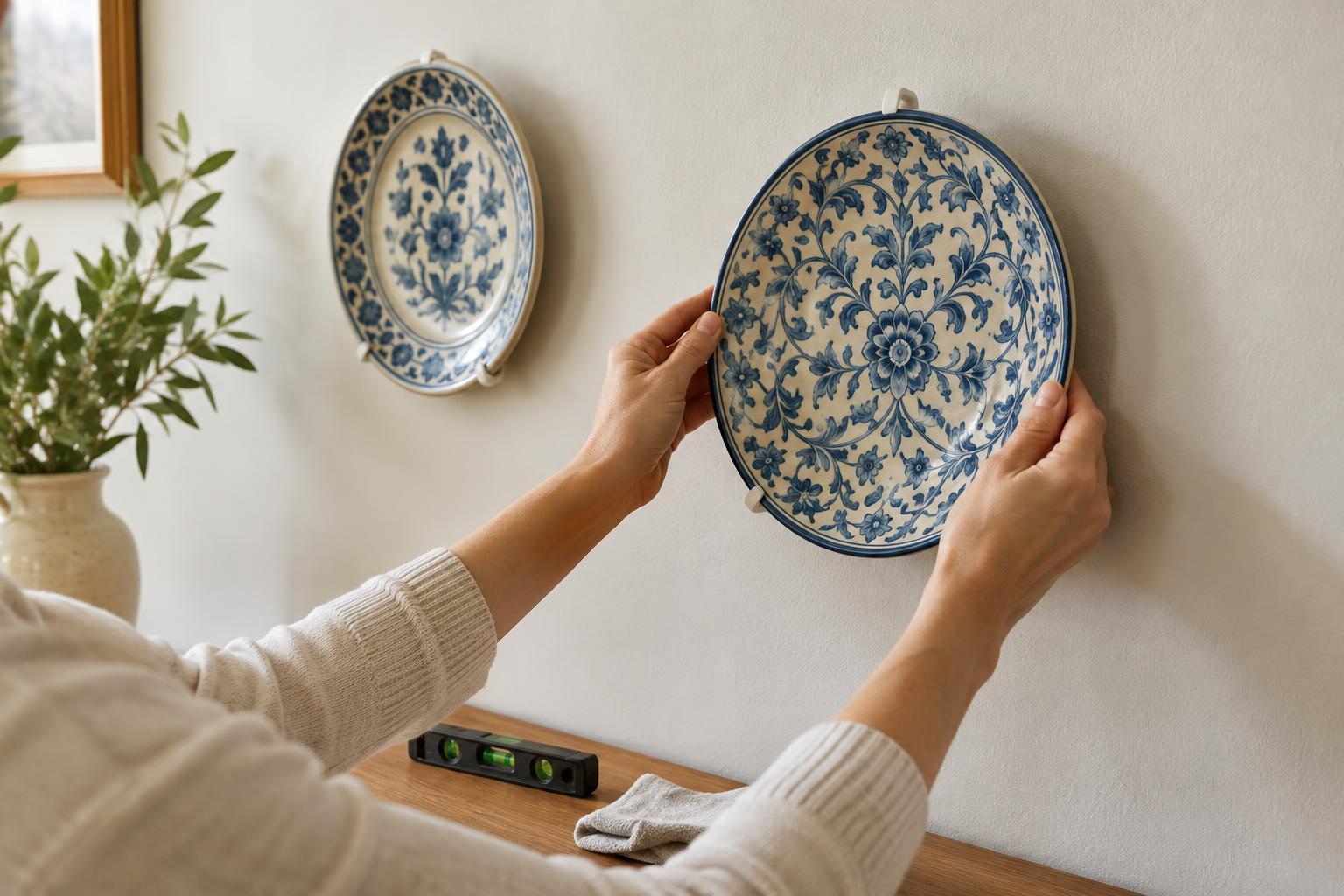
Decorative AccessoriesA decorative plate needs a hanger that grips safely without stressing its rim or finish. Learn how to assess the plate, choose a suitable mounting method, prepare the wall and check the display over time.
Read article · 4 min↗
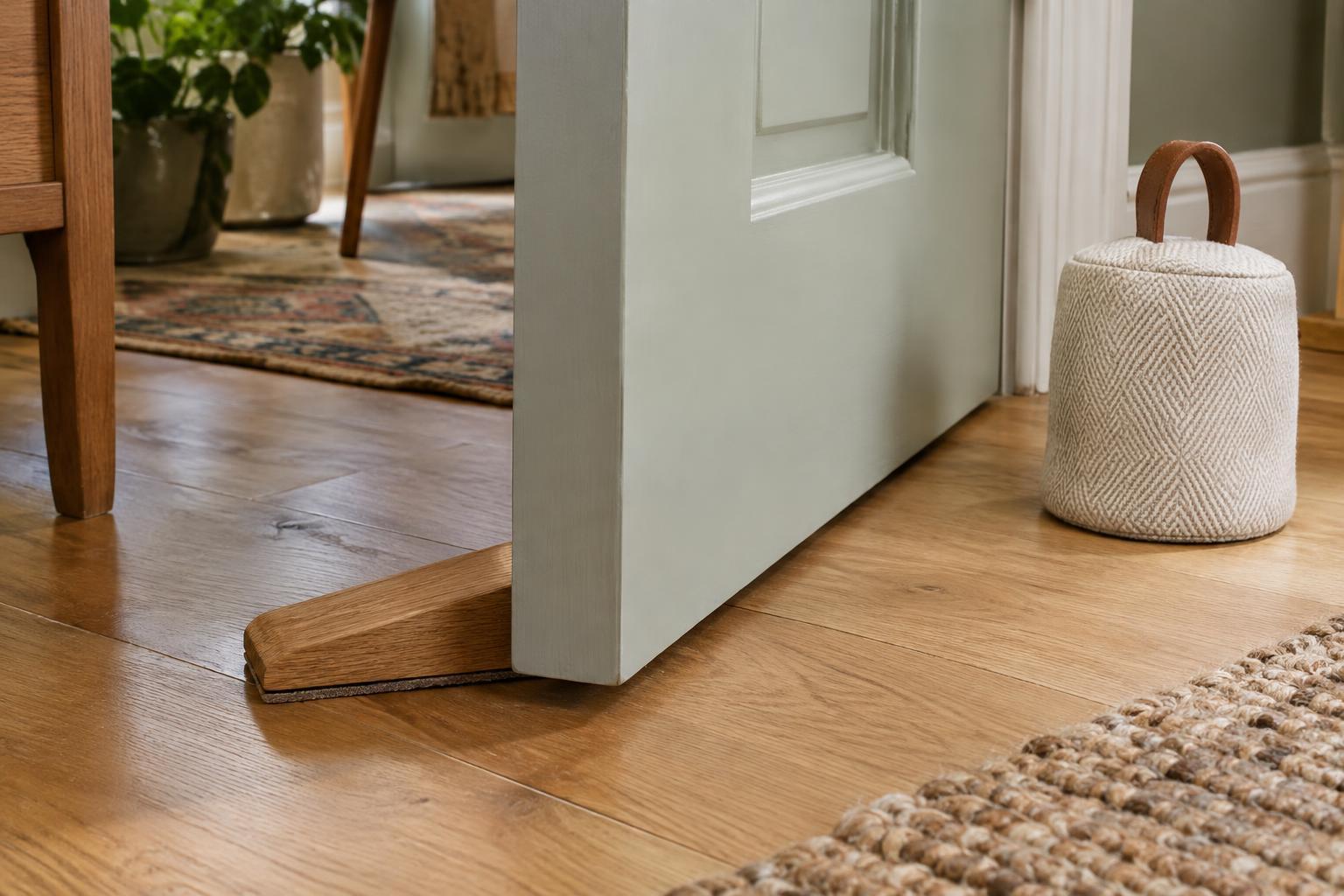
Decorative AccessoriesA decorative doorstop should do more than look good beside a door. Learn how to choose between wedges and freestanding styles, judge whether a stop has enough grip, and protect floors and doors from scuffs.
Read article · 4 min↗
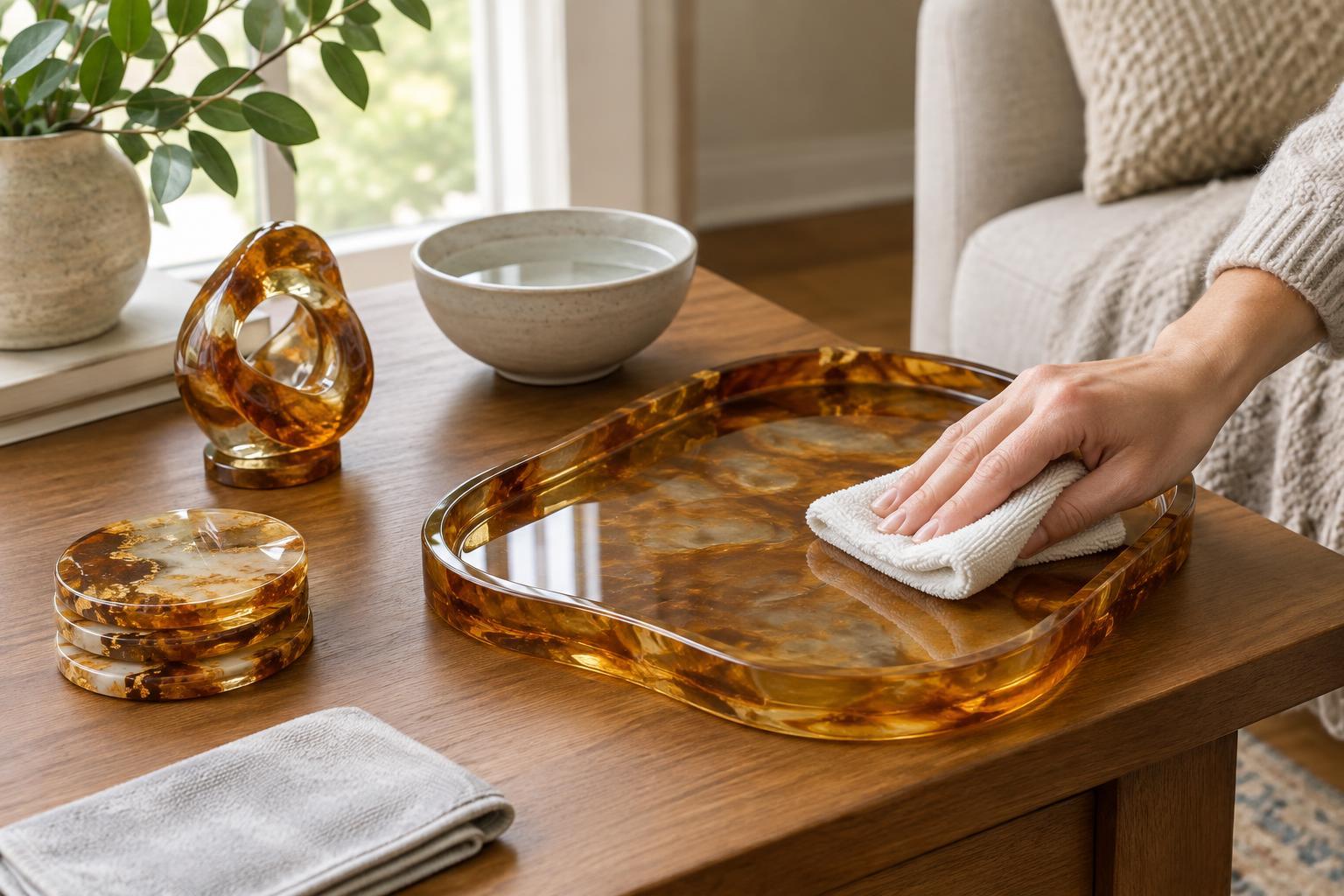
Decorative AccessoriesResin trays, coasters, ornaments and small sculptures are easy to enjoy when you know how to handle their surfaces. Learn a gentle cleaning routine, ways to prevent scratches and discoloration, and what to do when an accessory becomes dull or sticky.
Read article · 4 min↗
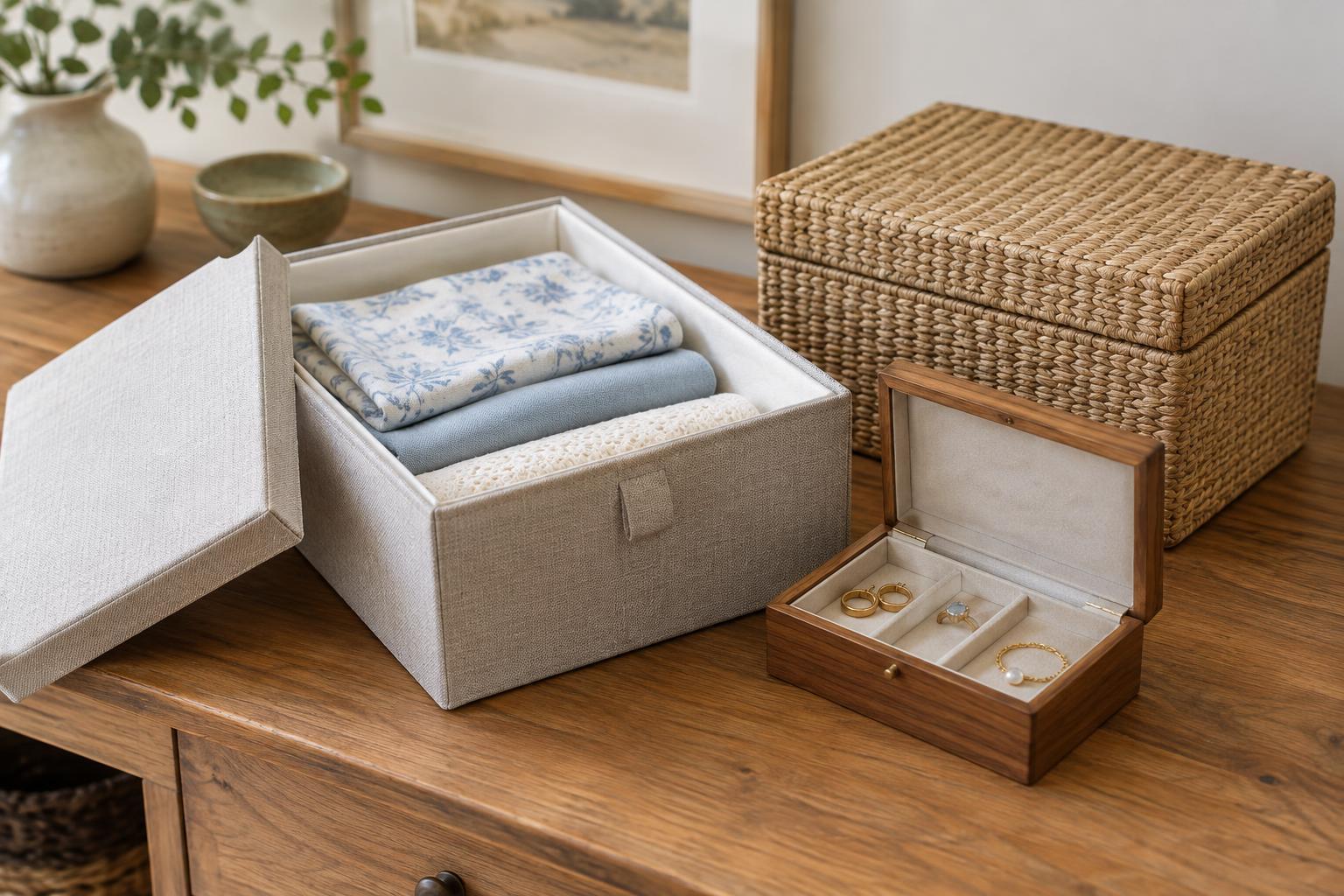
Decorative AccessoriesA decorative box should do more than look good on a shelf. Learn how to match its size, material, lining and closure to what you plan to store, then place and maintain it so its contents stay in good condition.
Read article · 4 min↗
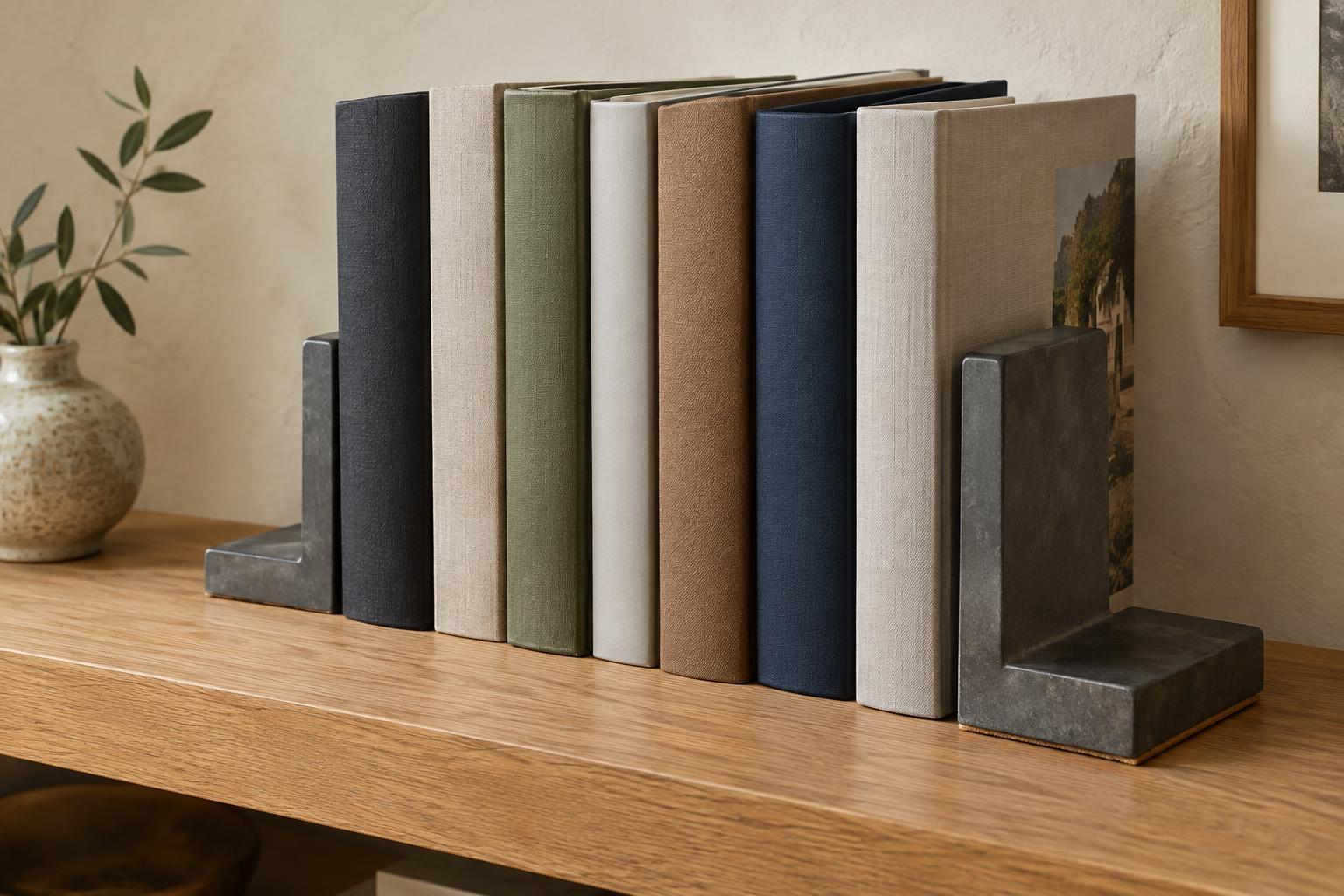
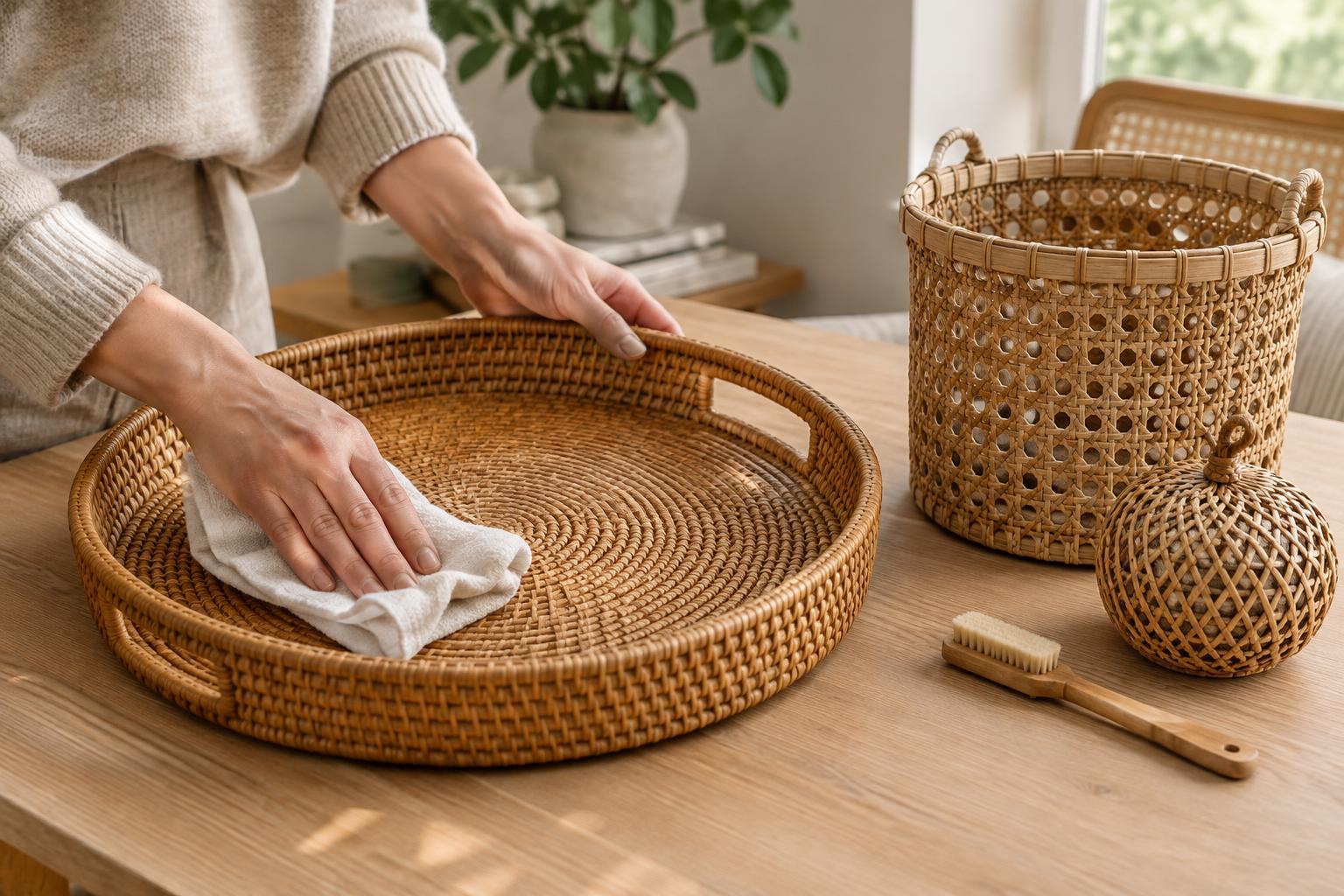
Decorative AccessoriesRattan trays, cane baskets and woven accents bring texture to a room, but dust, moisture and rough handling can shorten their useful life. Learn how to clean, place and store these decorative objects with gentle, practical care.
Read article · 4 min↗
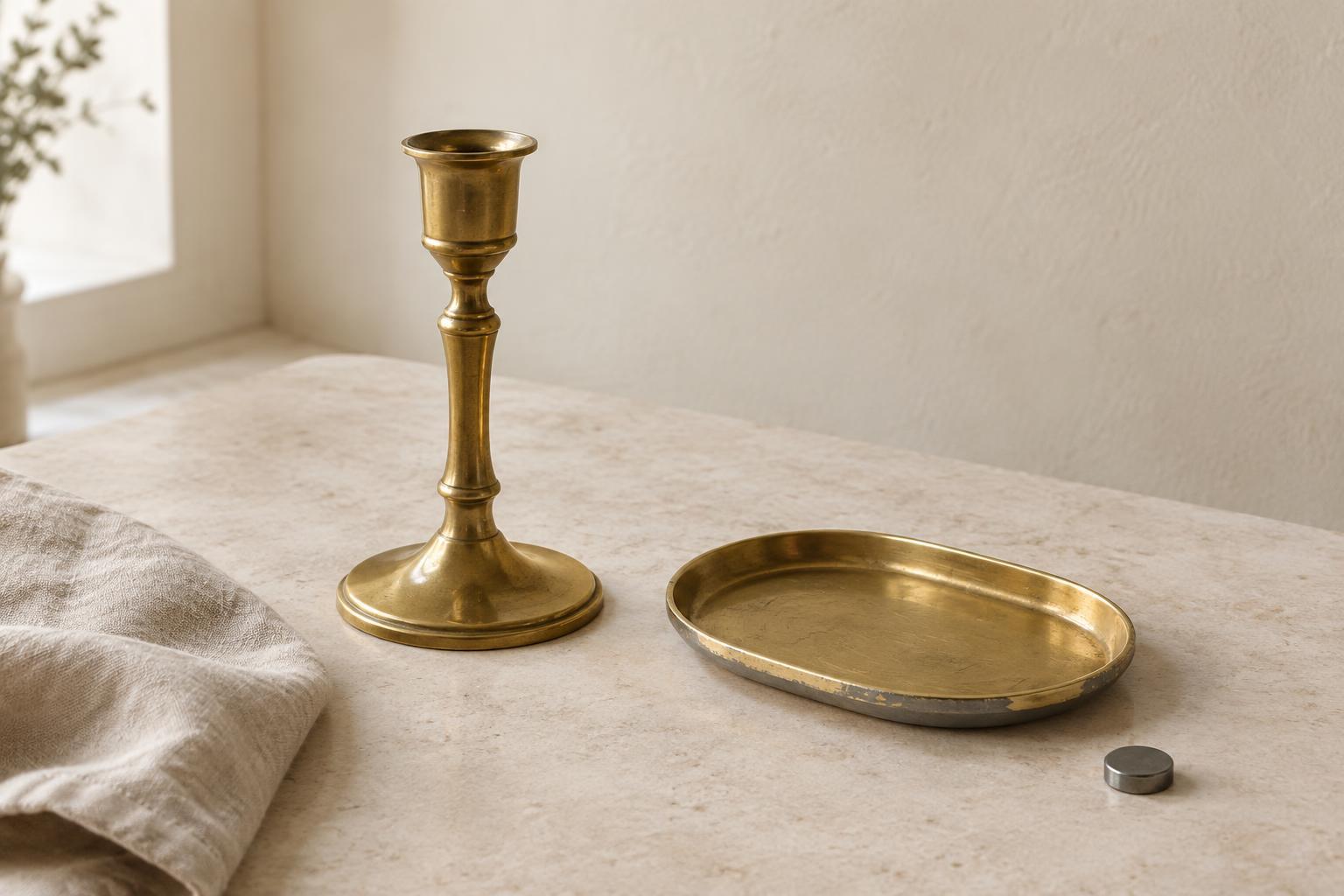
Decorative AccessoriesA warm gold finish does not tell you what an accessory is made of. Learn how to read product descriptions, inspect wear and seams, and use simple checks without damaging a decorative object.
Read article · 4 min↗
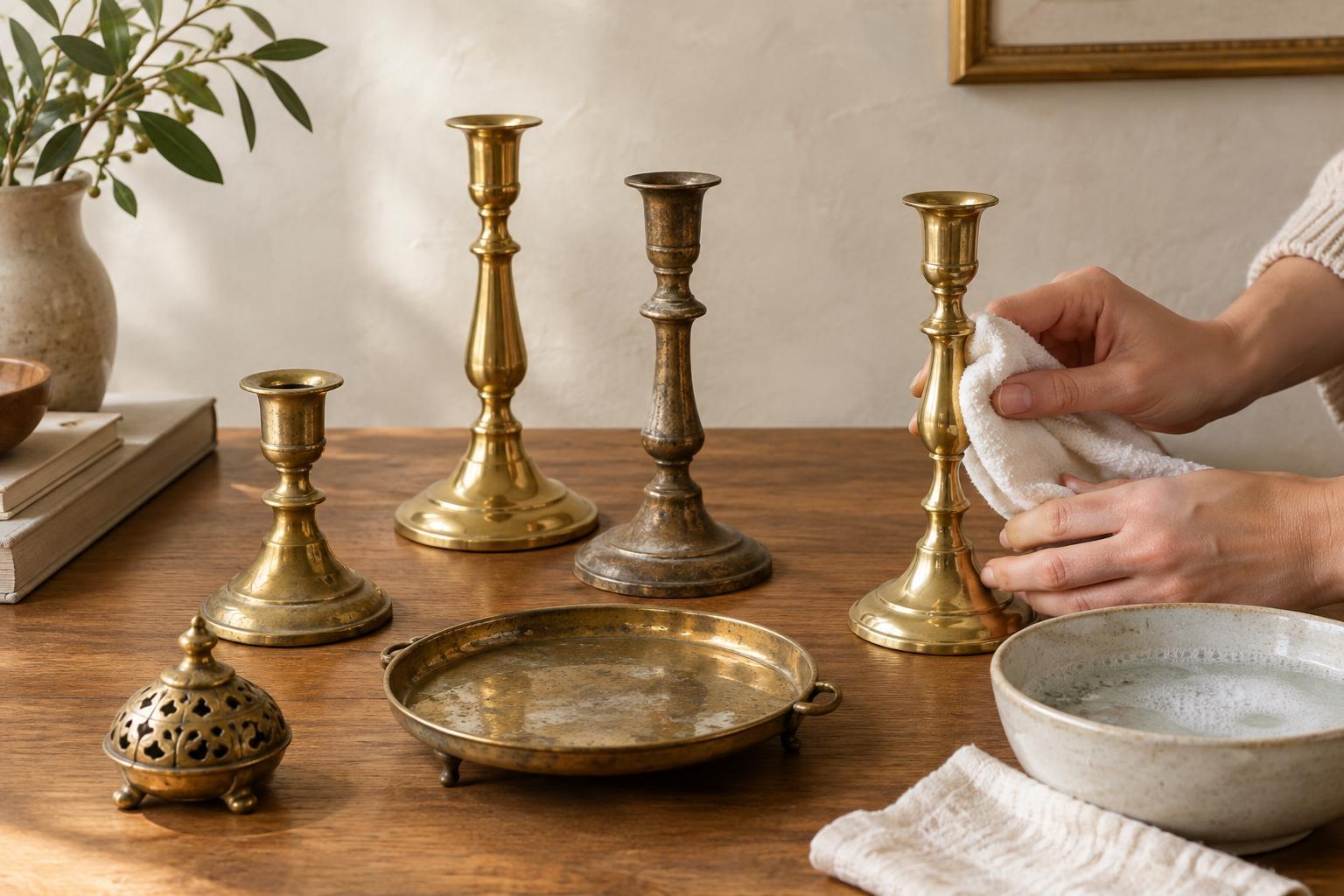
Decorative AccessoriesBrass candlesticks, trays and small ornaments can lose their shine, but the safest cleaning method depends on their finish. Learn how to identify a protective coating, remove everyday grime gently and decide whether tarnish should be polished at all.
Read article · 3 min↗
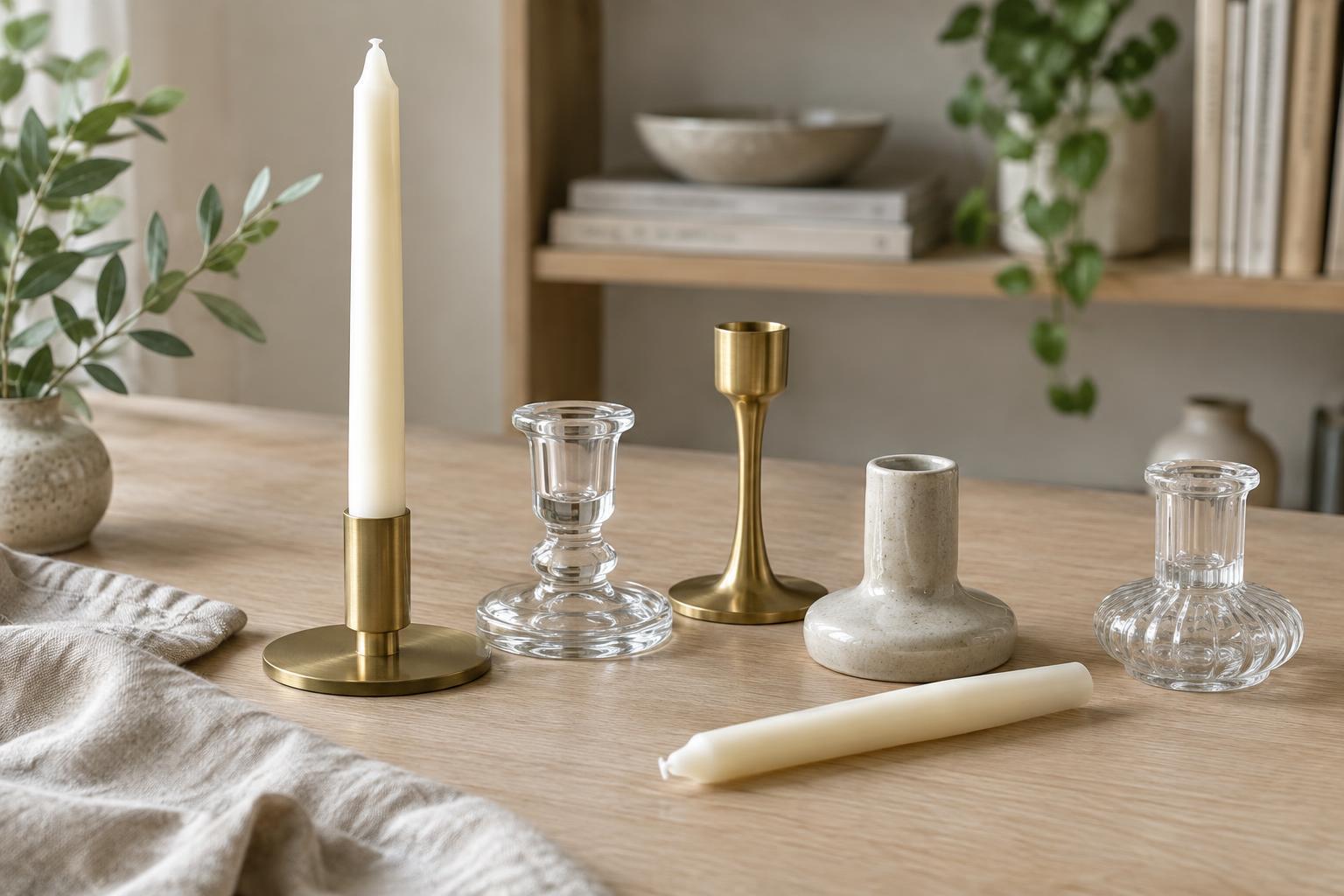
Decorative AccessoriesA taper holder should grip the candle without forcing it and stand securely on the surface beneath it. Learn how to compare socket sizes, check stability and choose a holder that suits your table or shelf.
Read article · 4 min↗
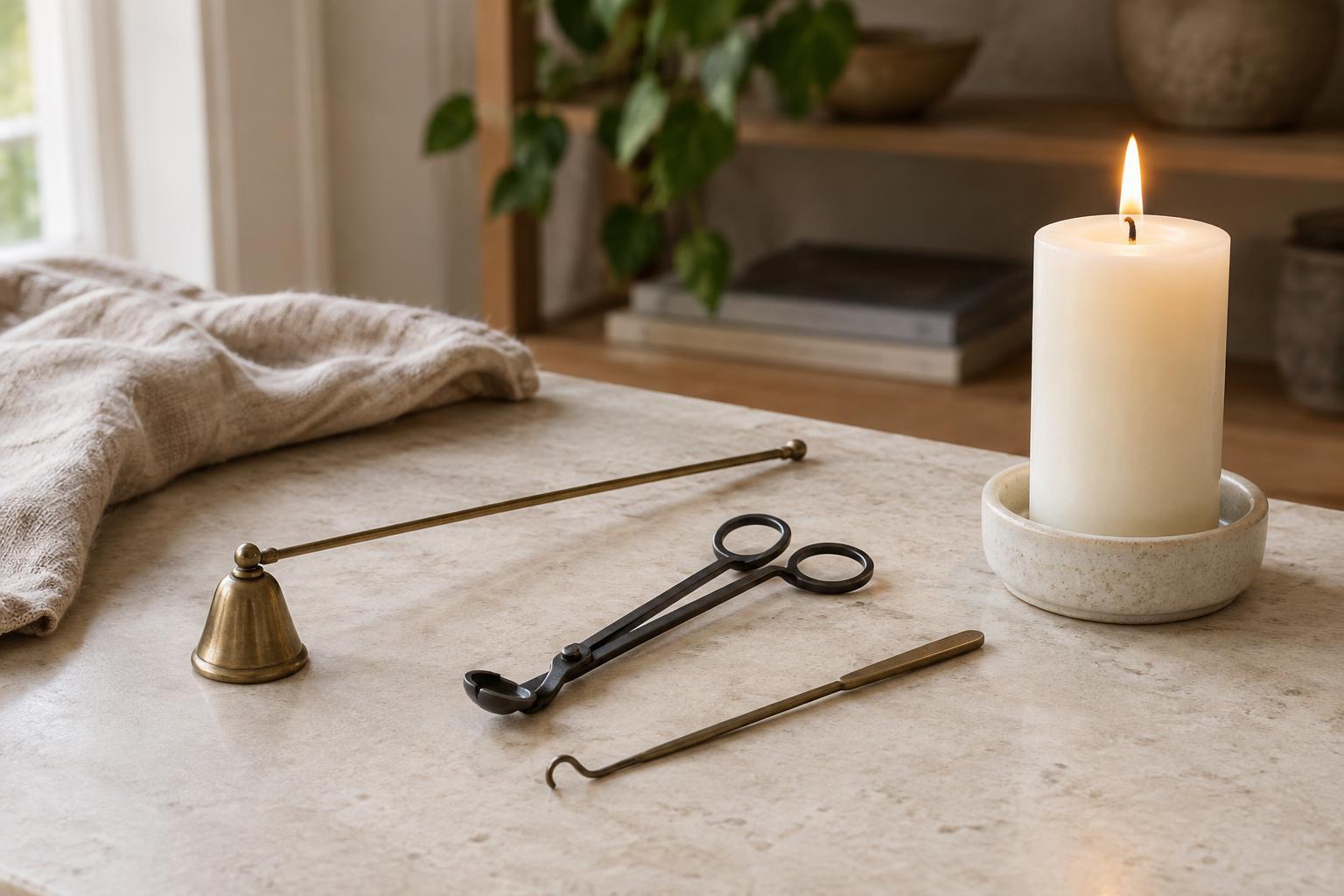
Decorative AccessoriesThree small candle tools solve different problems: a snuffer covers the flame, a trimmer shortens a cooled wick, and a dipper bends a lit wick into melted wax to put it out. Learn when each is useful, how to handle it safely, and what to look for when choosing tools for your home.
Read article · 4 min↗
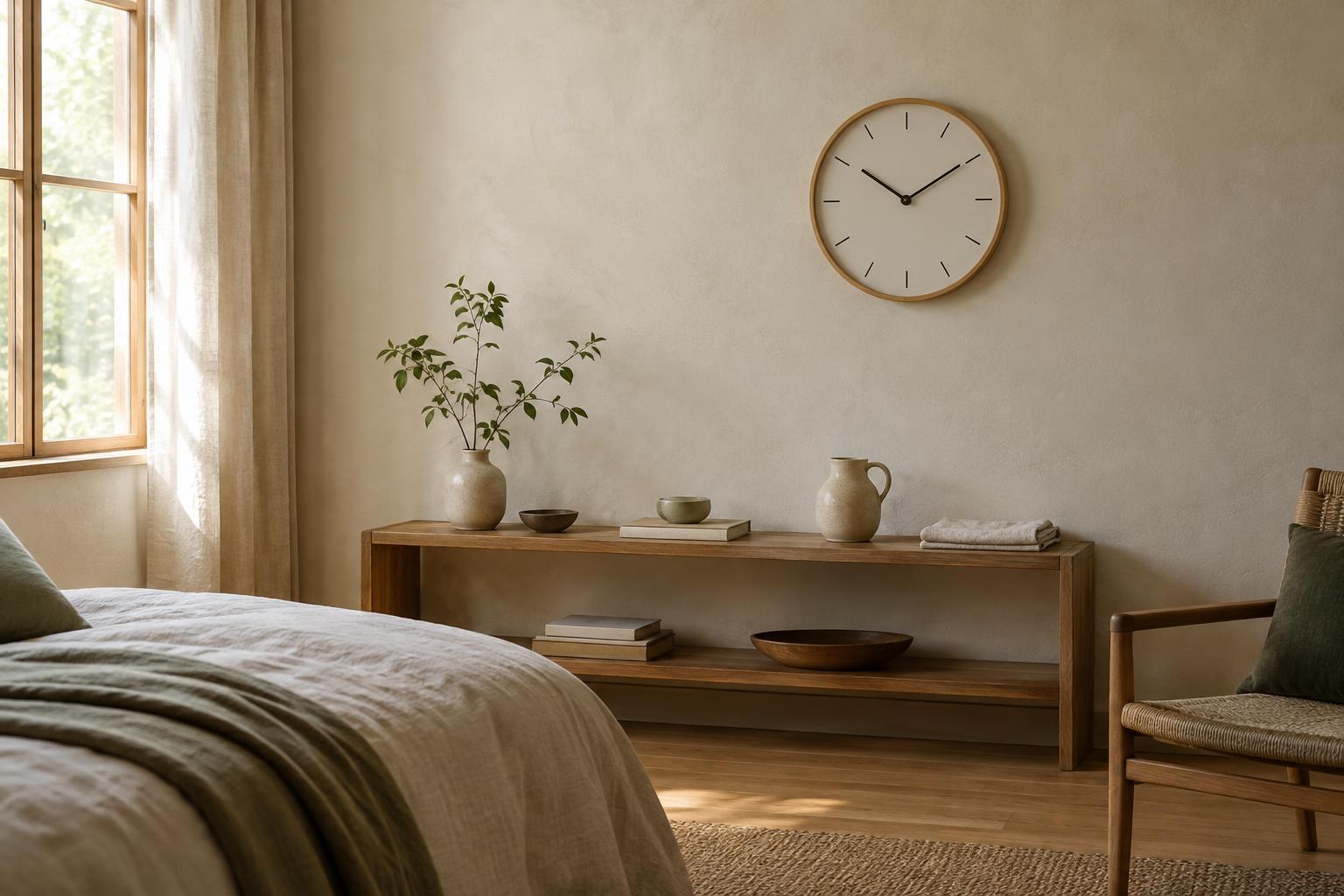
Decorative AccessoriesA clock can be a useful decorative accessory without demanding attention. Learn how to judge dial contrast, size, glare and movement noise, then choose a spot that suits both the room and the way you use it.
Read article · 4 min↗
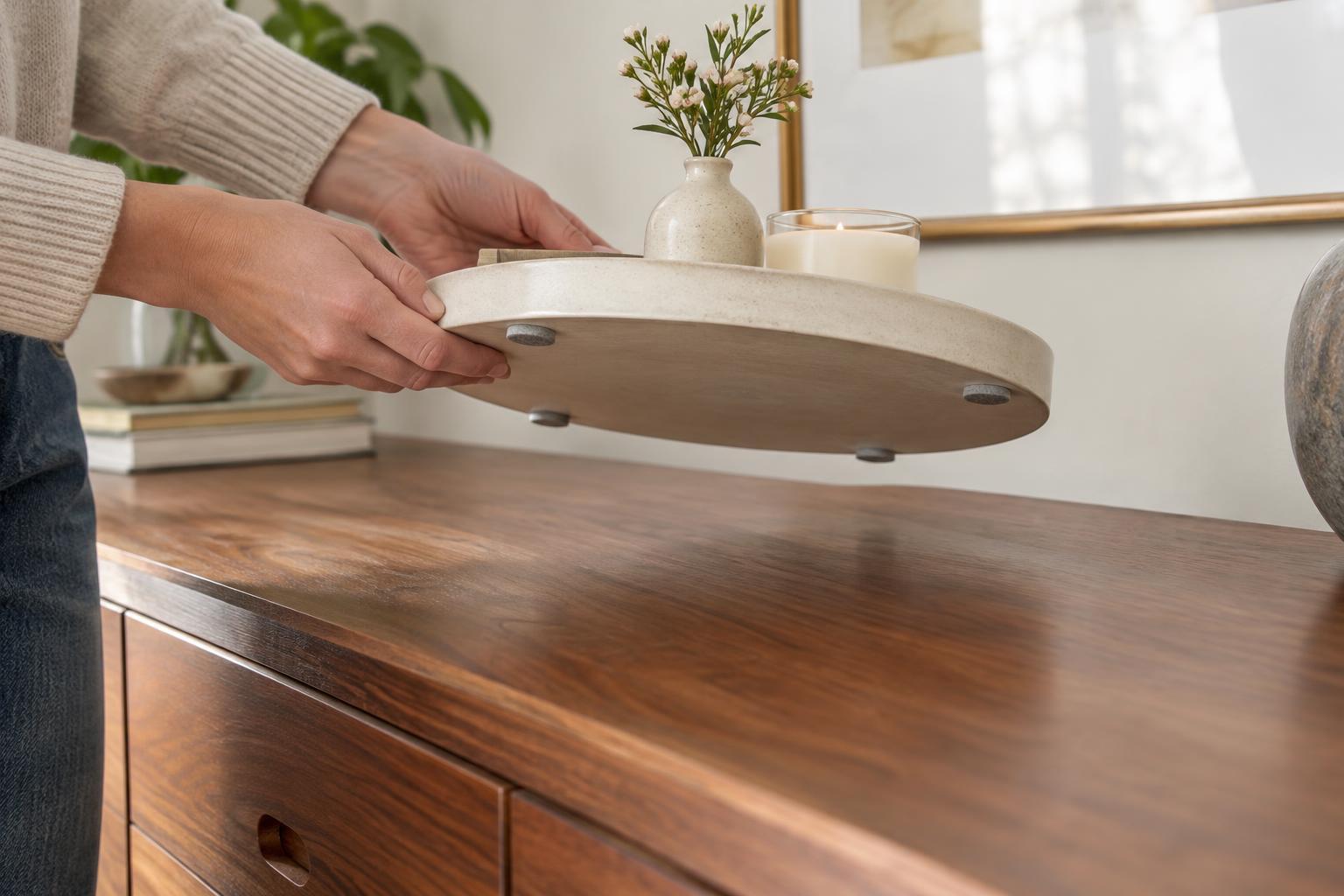
Decorative AccessoriesA decorative tray can protect a tabletop and bring small objects together, but its underside can also leave marks. Learn how to check a tray’s base, choose suitable padding, keep grit away, and move it without dragging.
Read article · 4 min↗
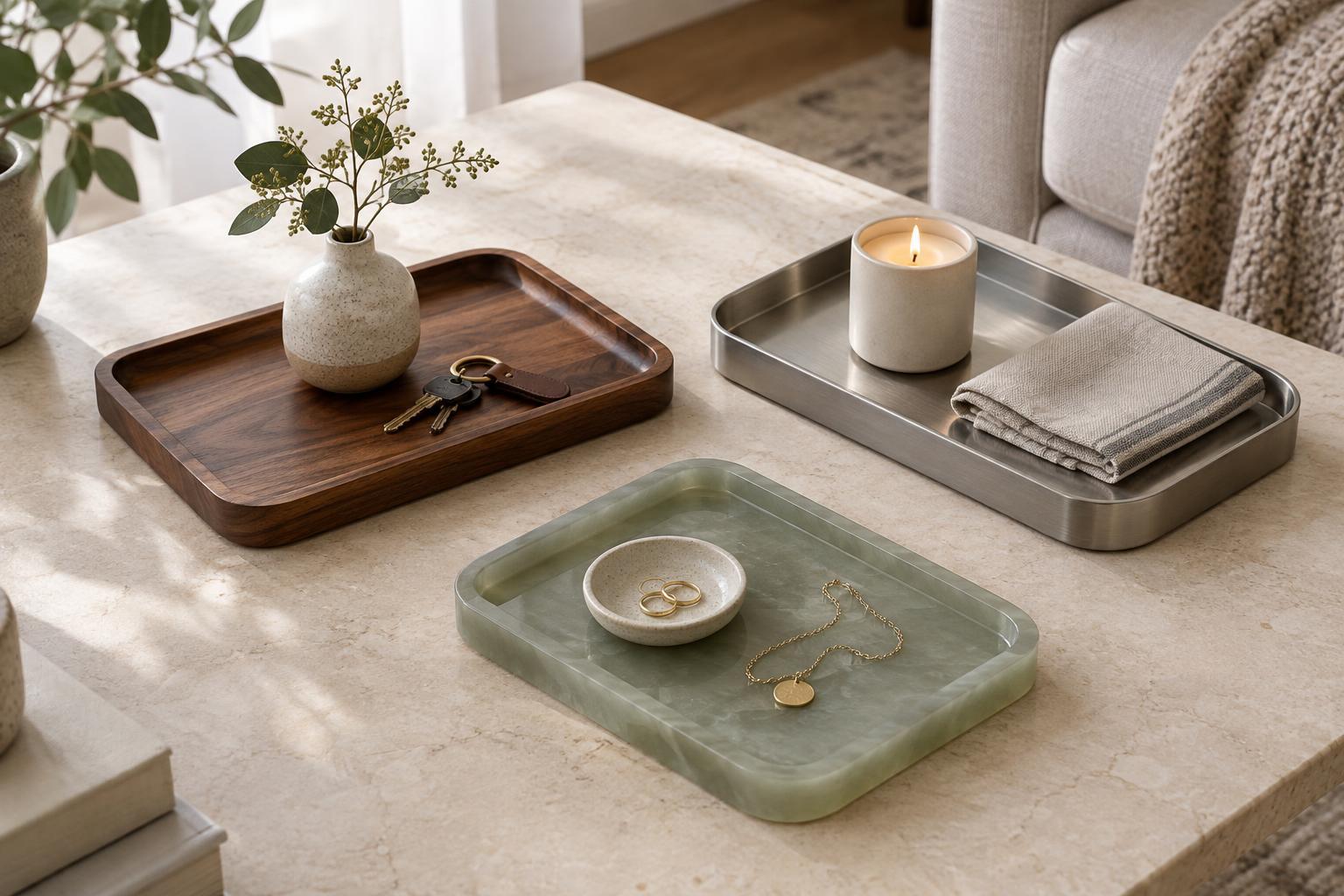
Decorative AccessoriesA decorative tray can gather small objects, protect a surface and make a shelf or table feel more intentional. Wood, metal and resin each bring a different look and set of practical considerations. Here is how to choose a tray for the way you will actually use it.
Read article · 4 min↗
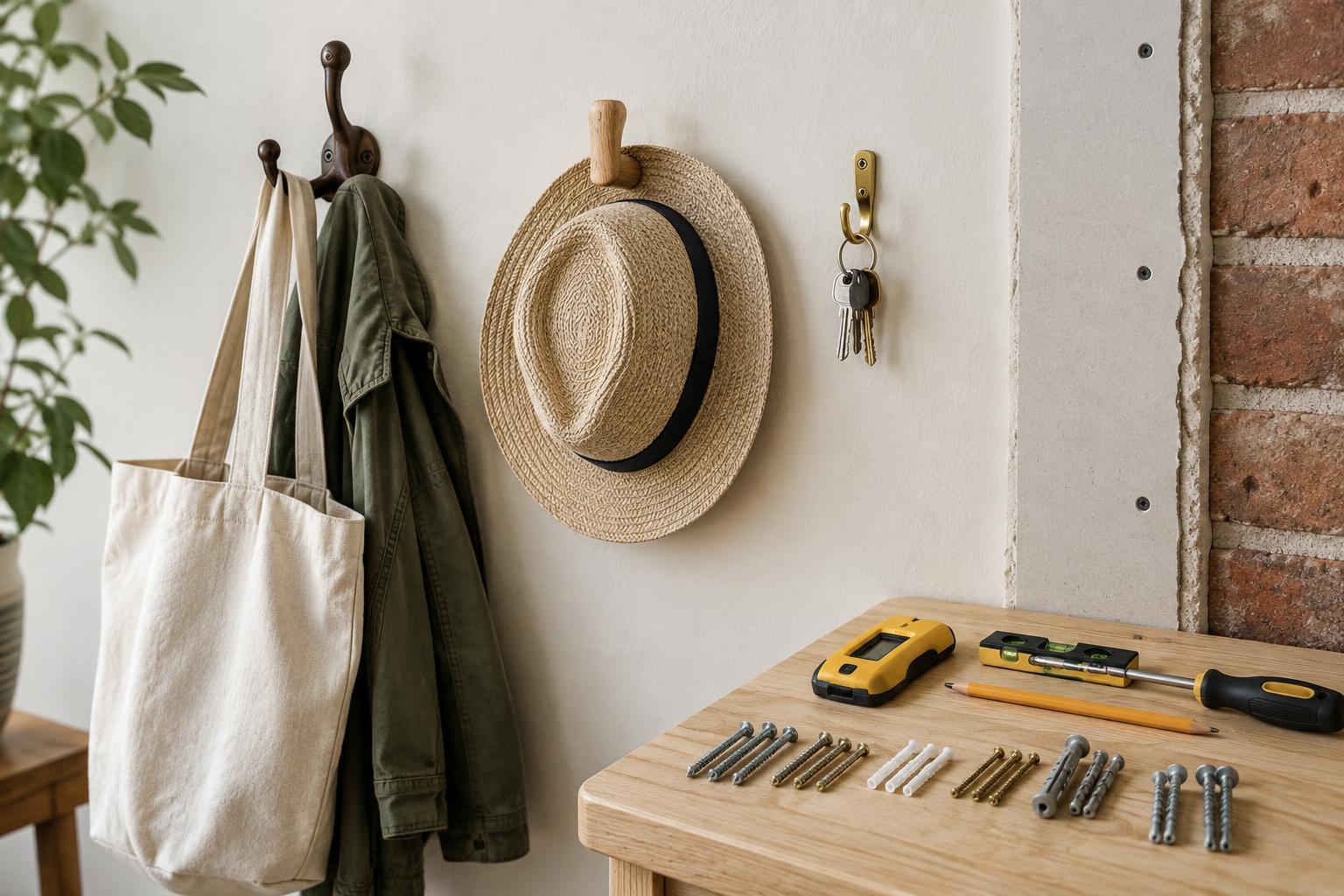
Decorative AccessoriesA wall hook is only as useful as the fixing behind it. Learn how to match hooks and pegs to what they will carry, the wall they will attach to, and the way they will be used.
Read article · 4 min↗

Decorative AccessoriesA heavy mirror needs more than an attractive spot on the wall. Learn how to check its frame and hardware, identify what is behind the wall, choose suitable fixings, and lift and secure it with care.
Read article · 4 min↗

Decorative AccessoriesA decorative mirror should look good from across the room and hold up to close inspection. Learn how to assess the reflection, compare frame materials, plan for the mirror’s weight and choose a mounting approach suited to your wall.
Read article · 4 min↗
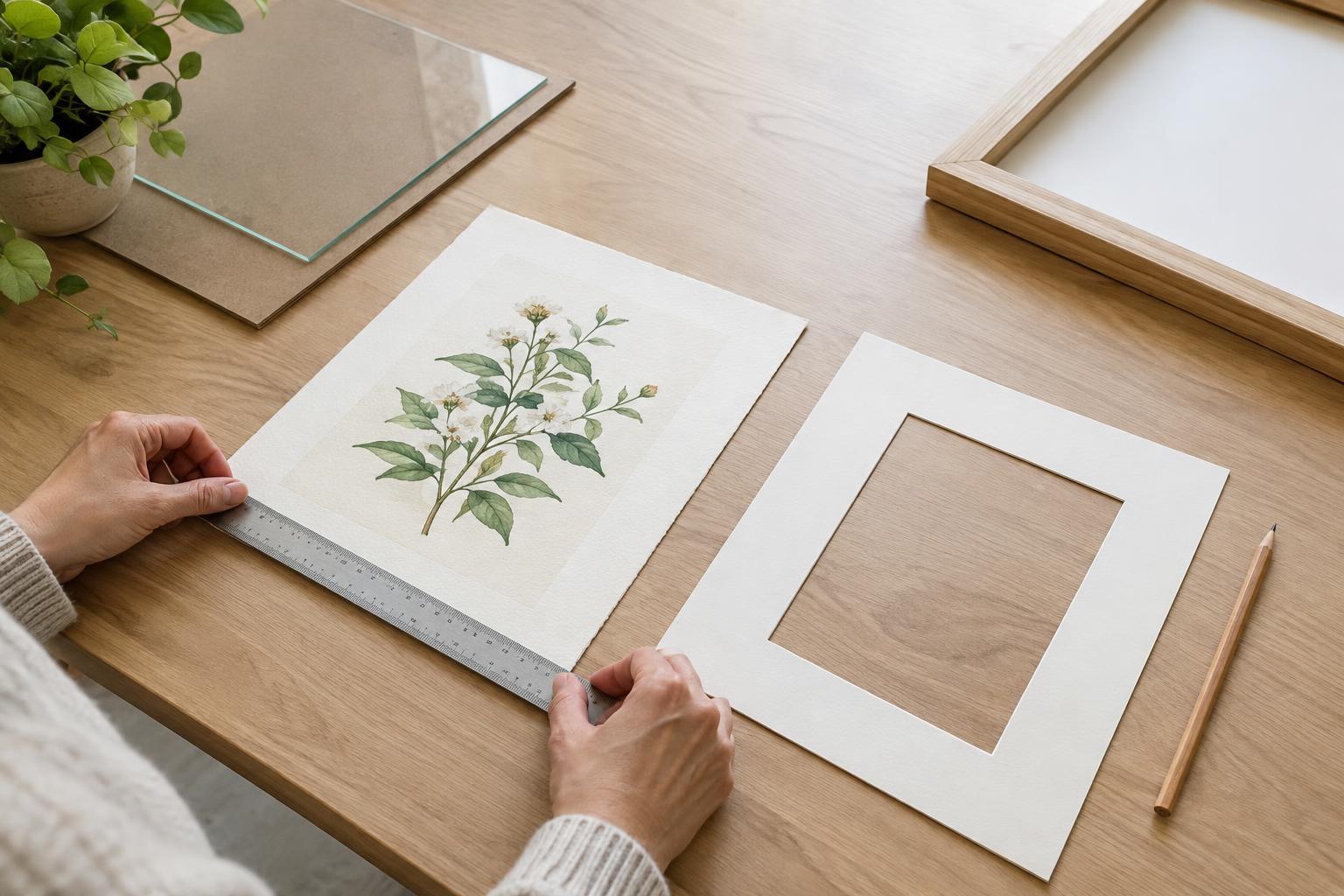
Decorative AccessoriesA well-fitting mat starts with the artwork, not a frame size on a label. Learn how to measure the image and paper, choose an opening that covers the edges neatly, calculate mat borders, and check the finished stack before framing.
Read article · 4 min↗
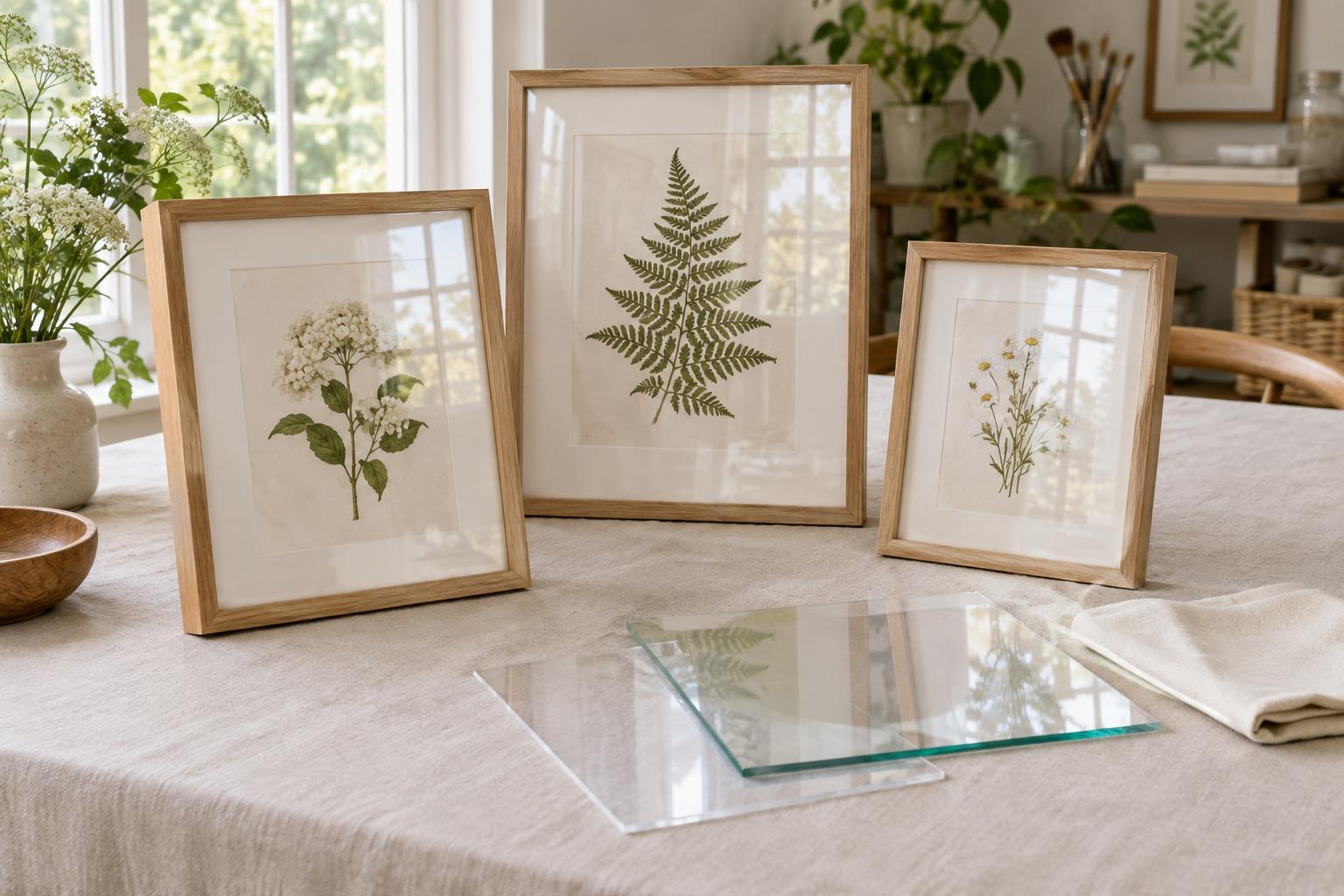
Decorative AccessoriesThe clear layer in a picture frame affects how an artwork looks, how heavy the frame feels and how well its contents are protected. Compare ordinary glass, acrylic and UV-filtering options, then choose a practical fit for the piece and its location.
Read article · 4 min↗
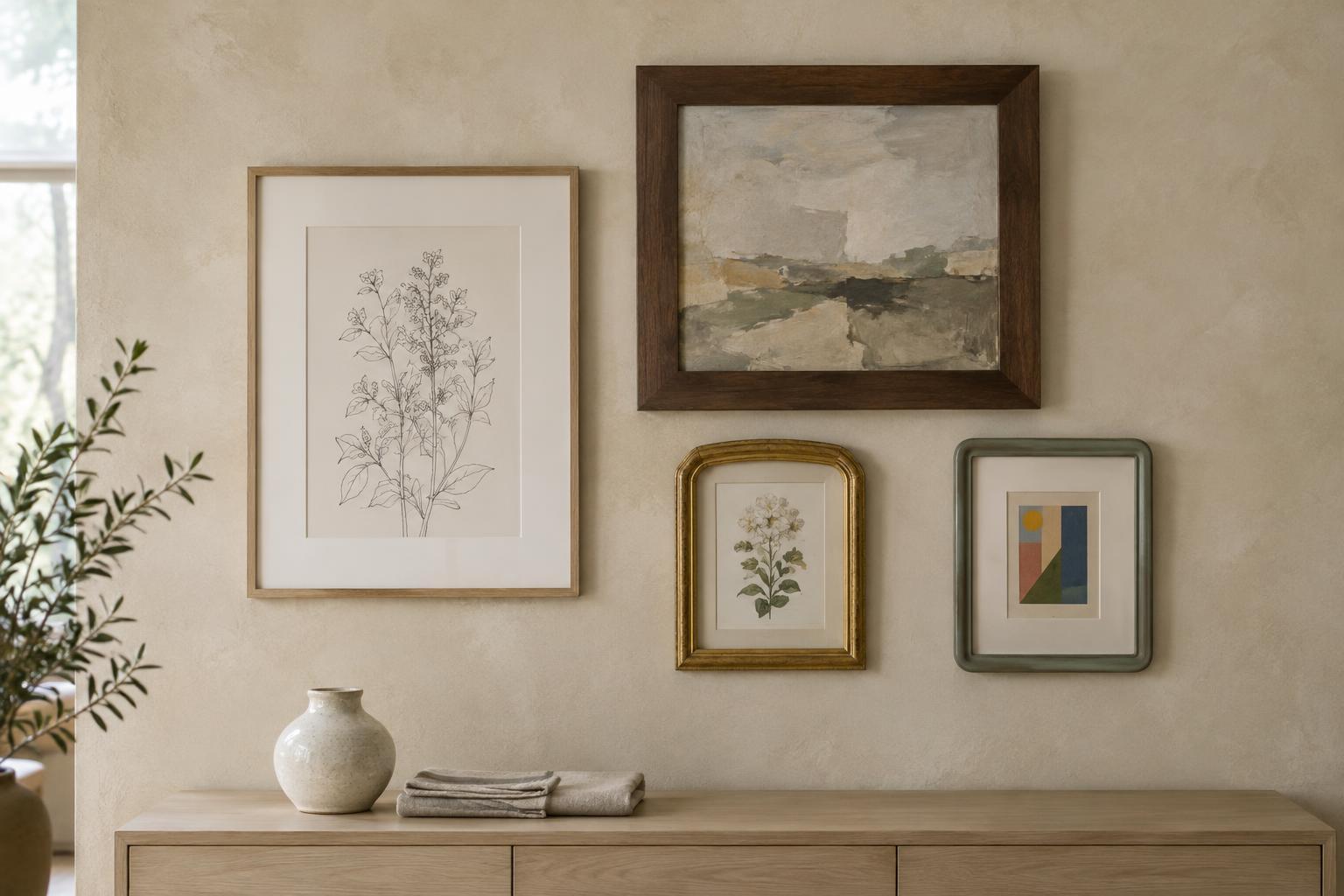
Decorative AccessoriesA frame’s profile—the shape and width visible around an artwork—can make a piece feel quiet, formal, playful or substantial. Learn how to match profiles to different art styles while accounting for scale, mats and the room around them.
Read article · 4 min↗
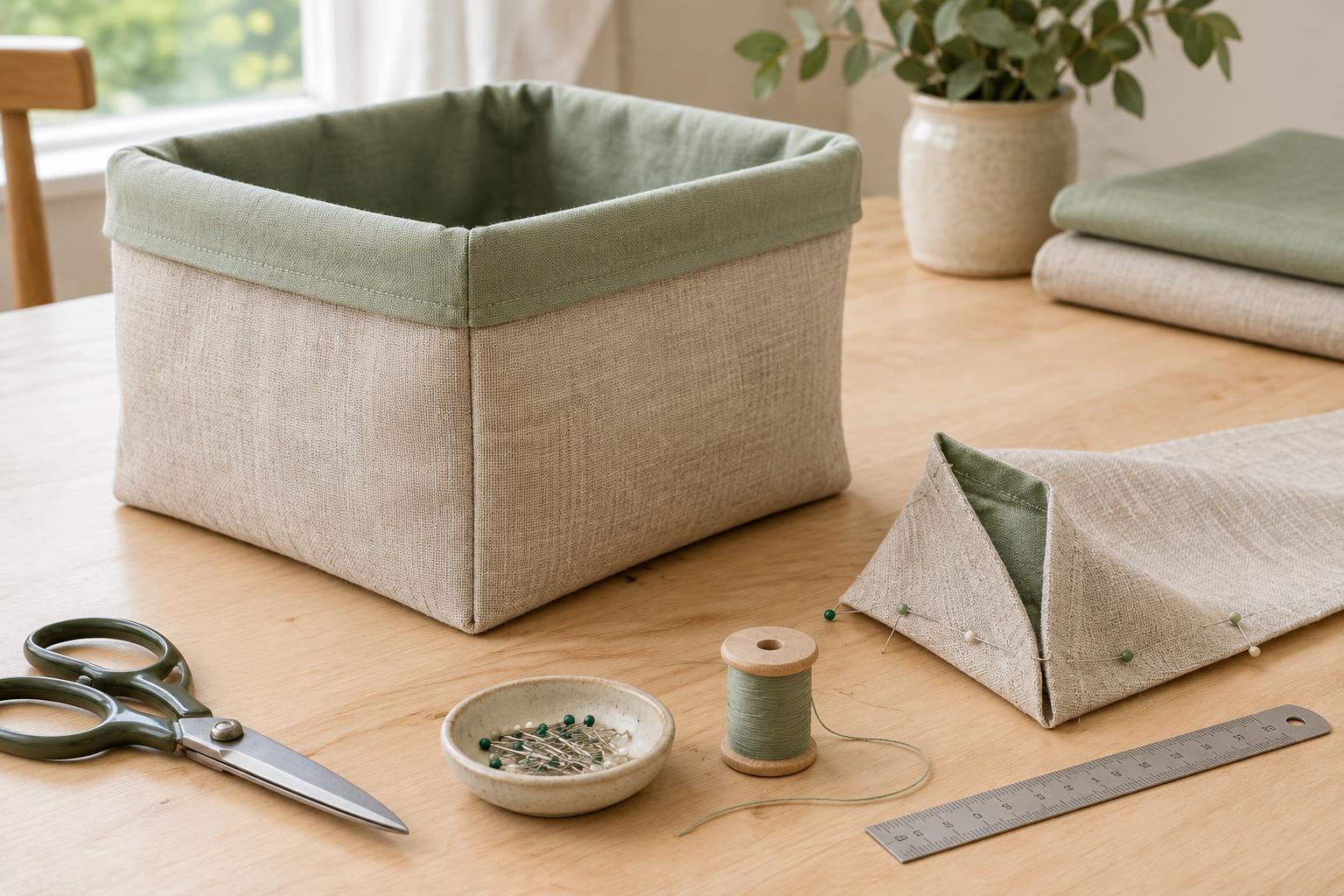
Craft TechniquesBoxed corners turn flat fabric panels into a basket with a usable base. Learn how to mark and sew matching corners, add a lining, and adjust the dimensions for the objects you want to store.
Read article · 4 min↗
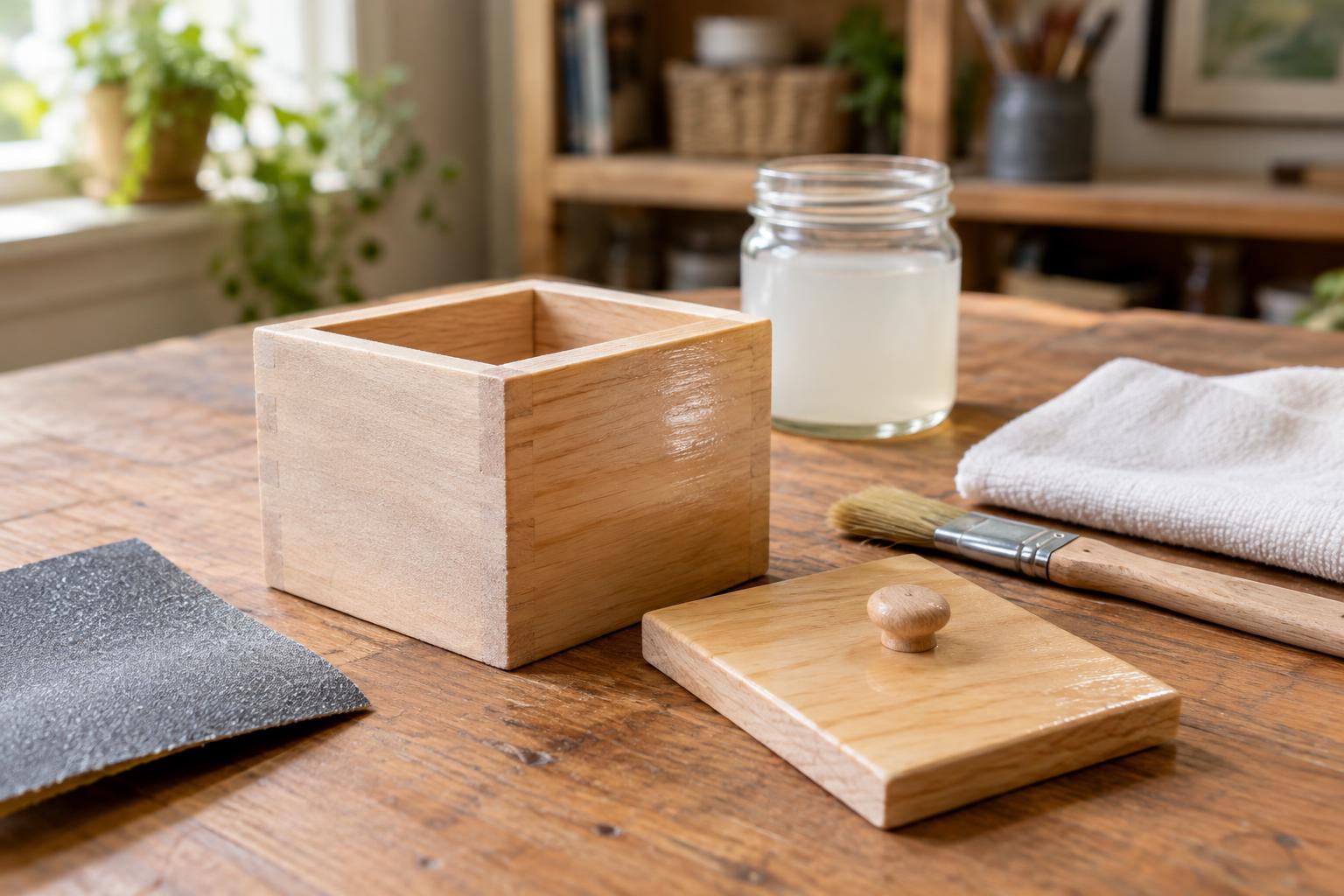
Craft TechniquesA smooth painted finish starts before the first coat of colour. Learn how to clean, sand, prime and seal small wooden objects, and when a protective topcoat is worth adding.
Read article · 4 min↗
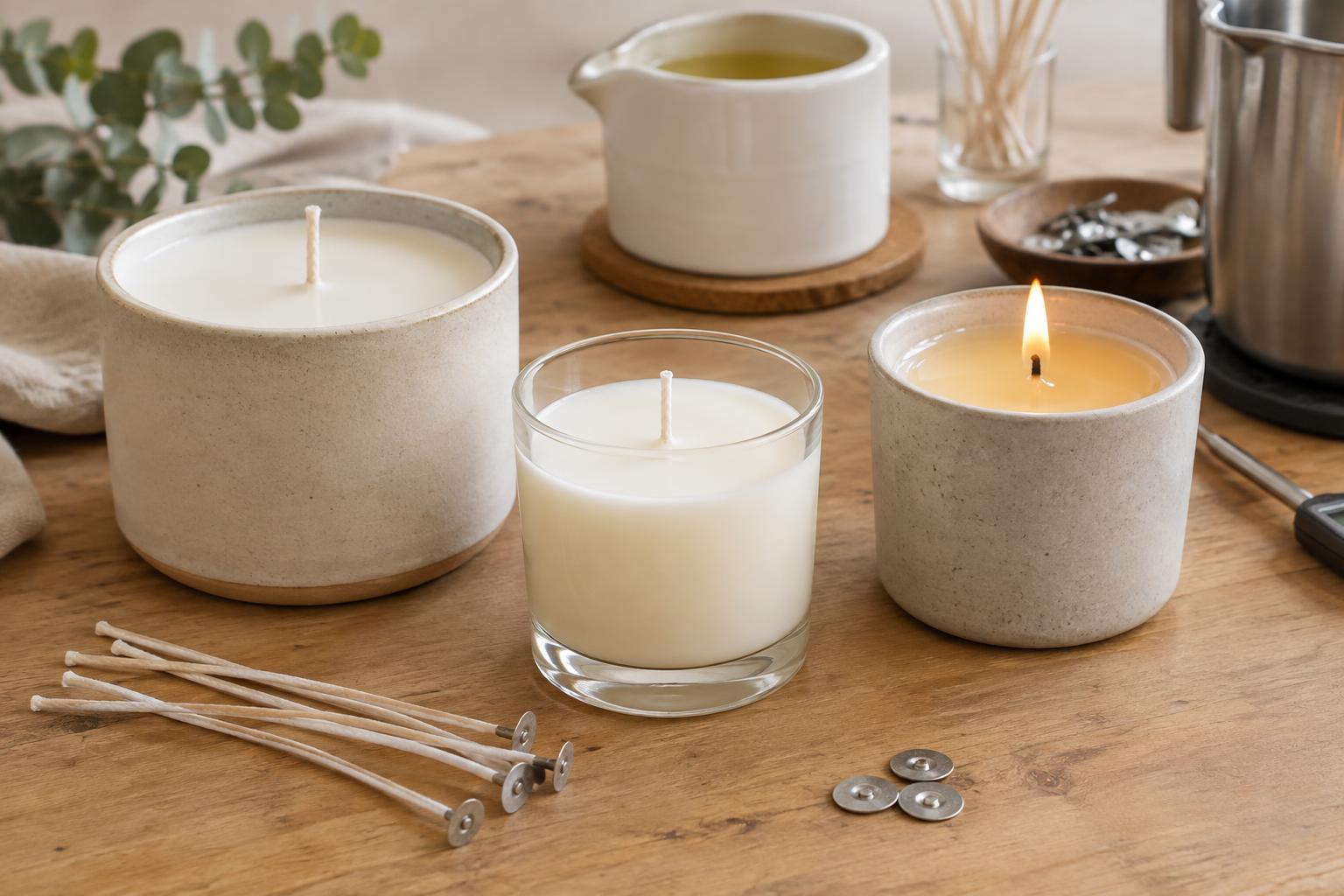
Craft TechniquesA container candle works best when its wick suits both the wax and the vessel. Learn how to choose a starting size, make consistent test candles, and read burn behavior before settling on a wick.
Read article · 4 min↗
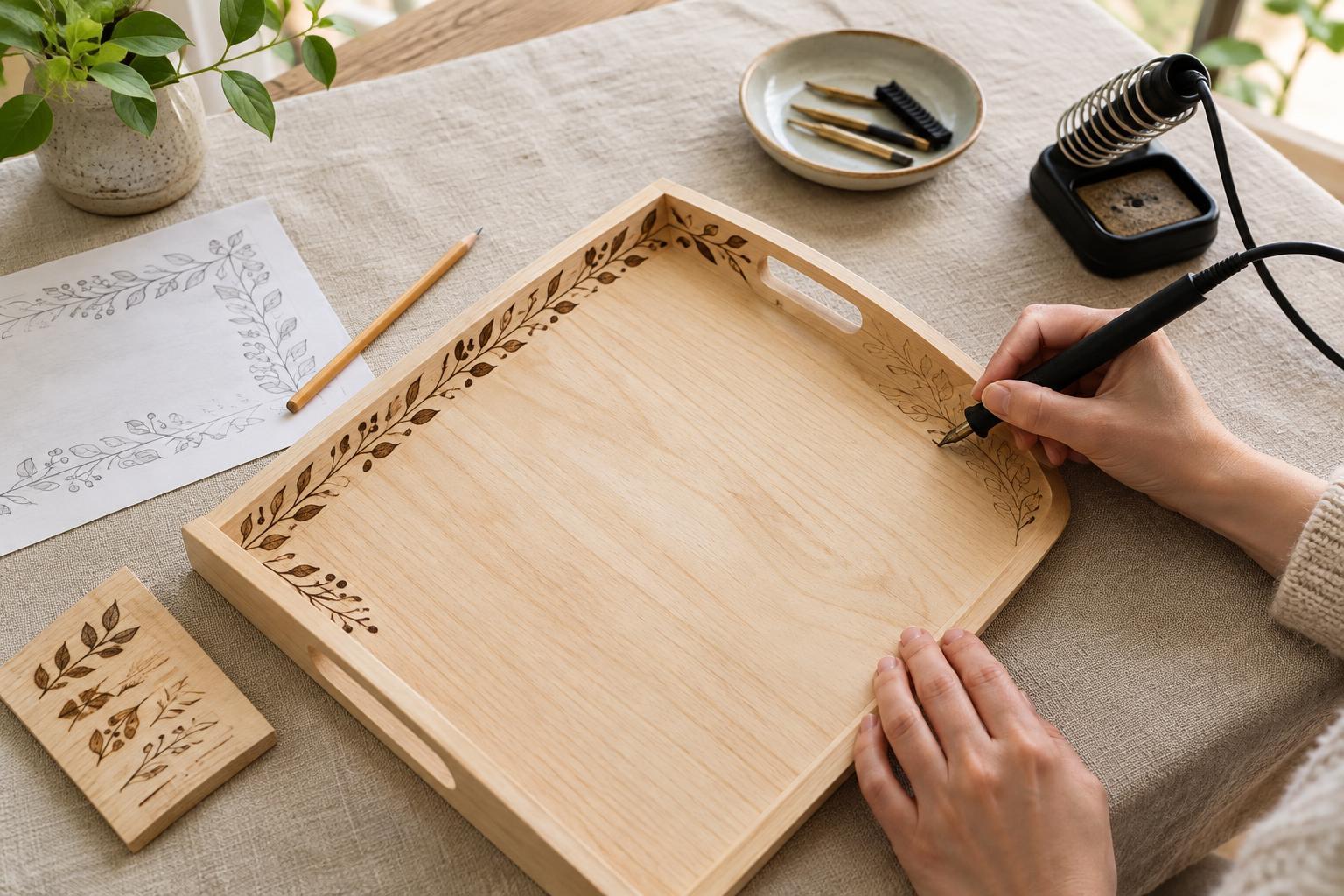
Craft TechniquesA simple woodburned border can turn an unfinished tray into a useful decorative piece. Learn how to choose a suitable tray, set up a safer workspace, transfer a pattern, burn controlled lines and finish the surface.
Read article · 4 min↗
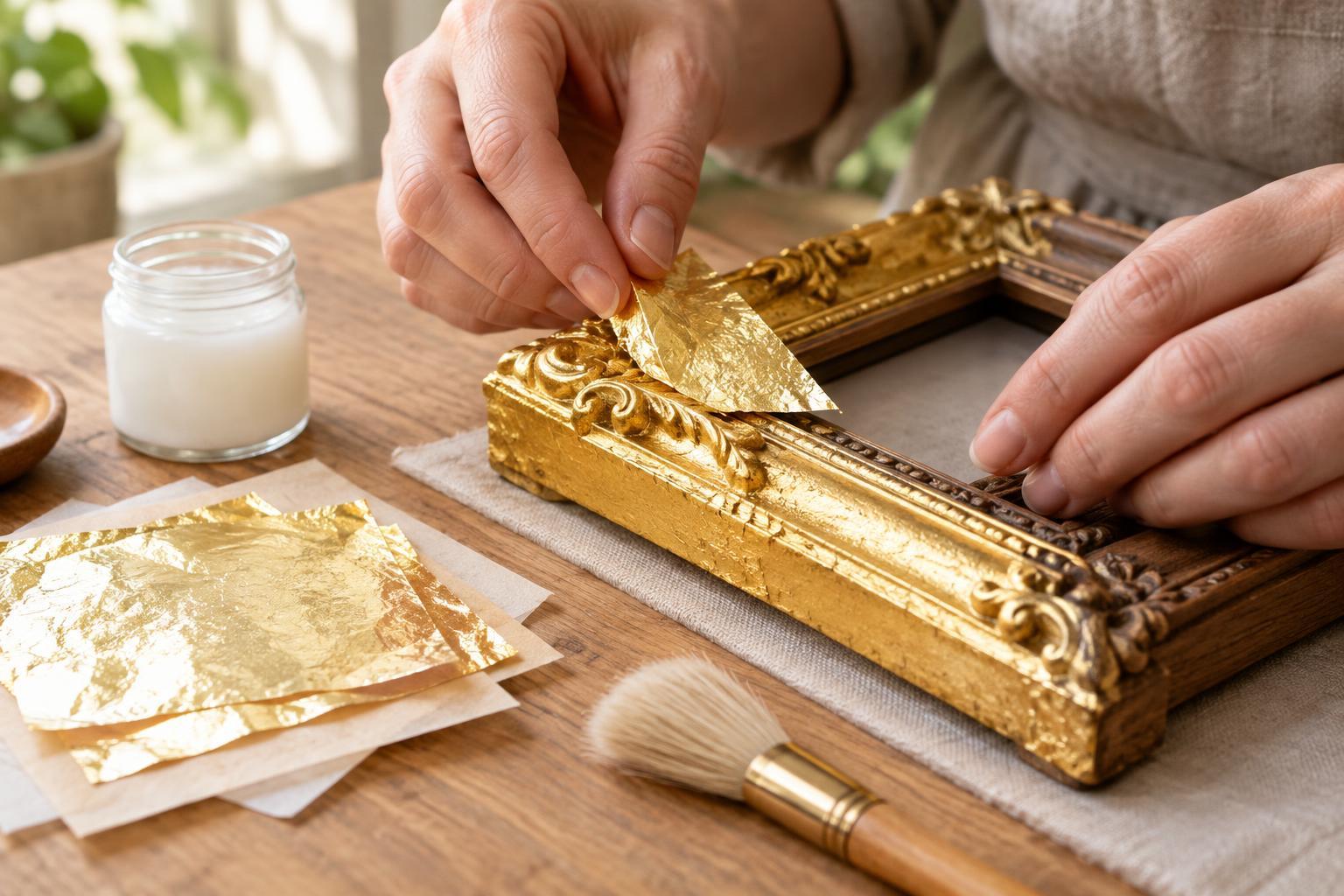
Craft TechniquesA gap-free gilded frame starts with a smooth surface and a thin, even coat of size. Learn how to work around corners and carved details, overlap delicate sheets, and repair missed spots before sealing.
Read article · 4 min↗
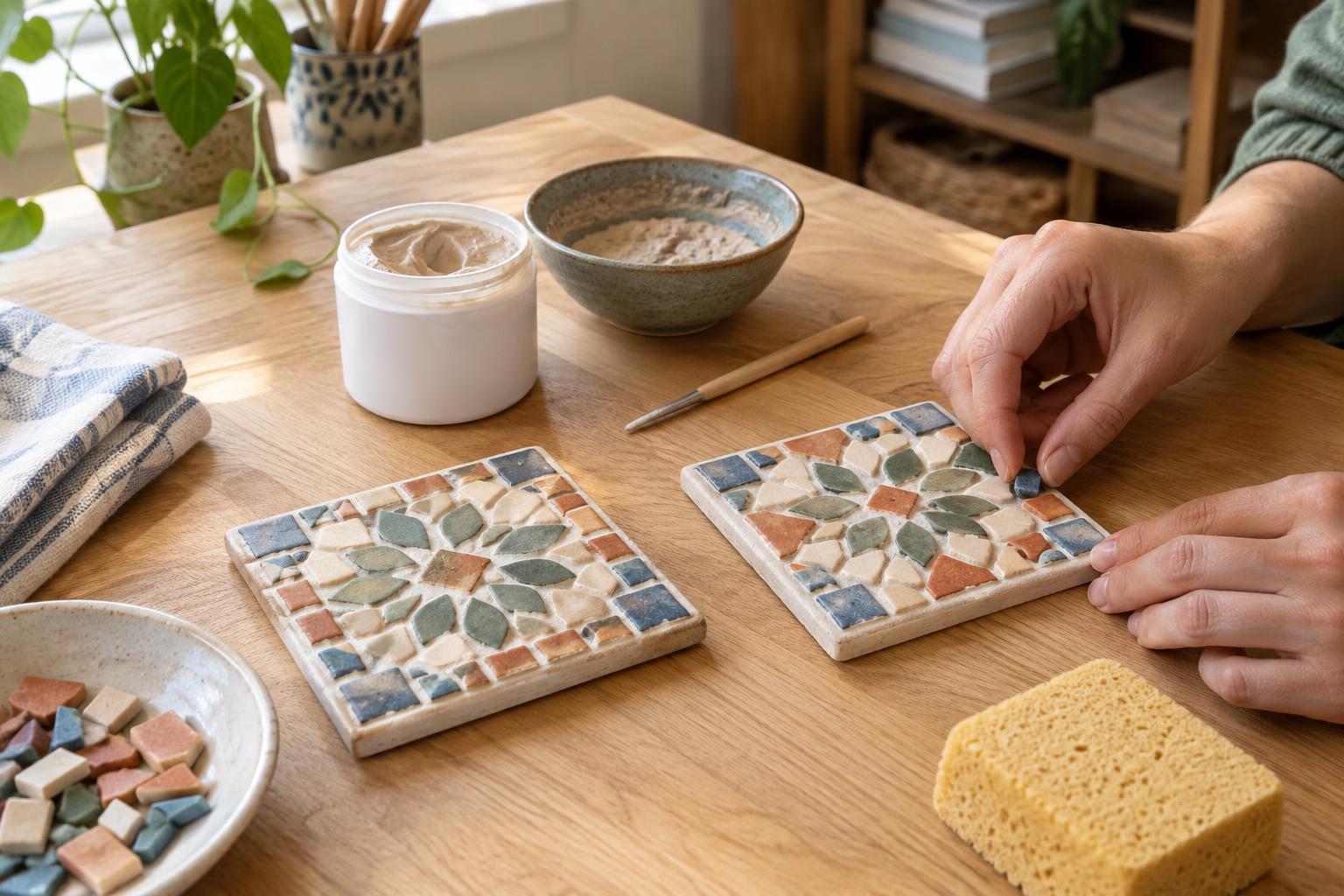
Craft TechniquesA mosaic coaster is a small project with a few important decisions. Learn how to choose a sturdy base, arrange tile pieces with even gaps, apply compatible adhesive and finish the joints neatly with grout.
Read article · 4 min↗
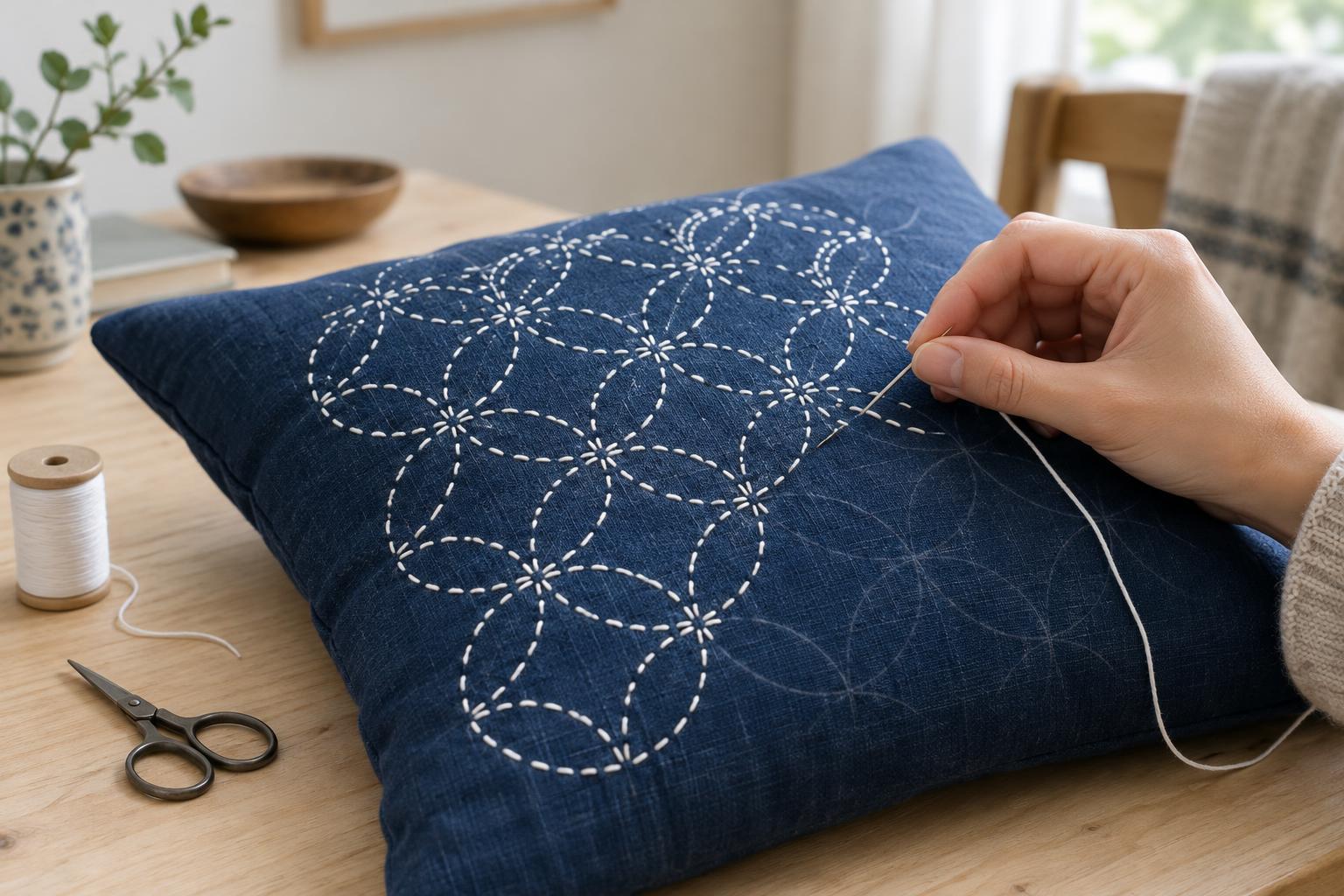
Craft TechniquesA simple sashiko-inspired running-stitch pattern can add texture and rhythm to a plain cushion cover. Learn how to plan a design, prepare the fabric, stitch comfortably, and finish the cover for everyday use.
Read article · 4 min↗
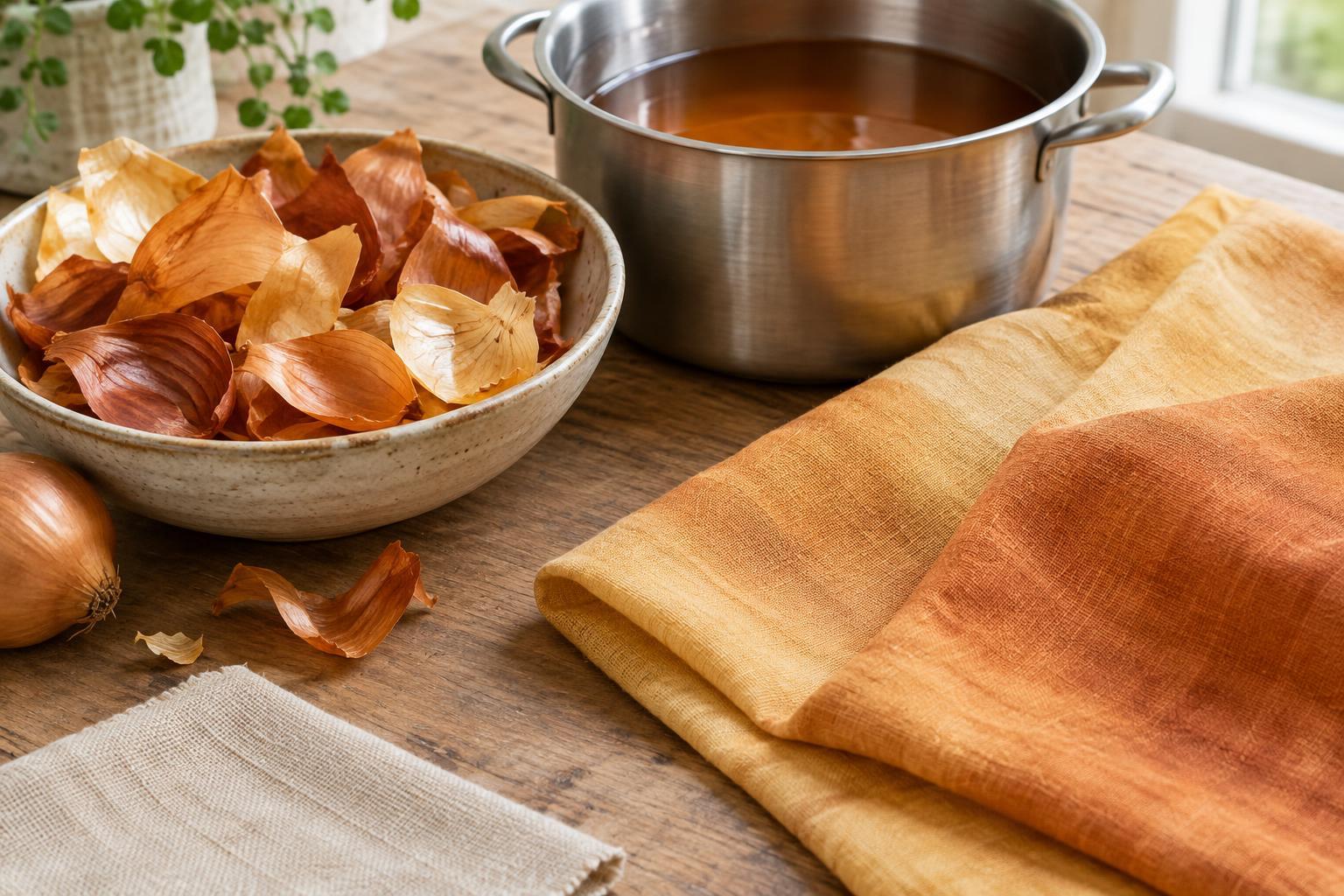
Craft TechniquesOnion skins can give fabric warm shades from pale gold to rusty orange. Learn how to choose and prepare cloth, make a dye bath, use a mordant when appropriate, and care for the finished piece.
Read article · 4 min↗
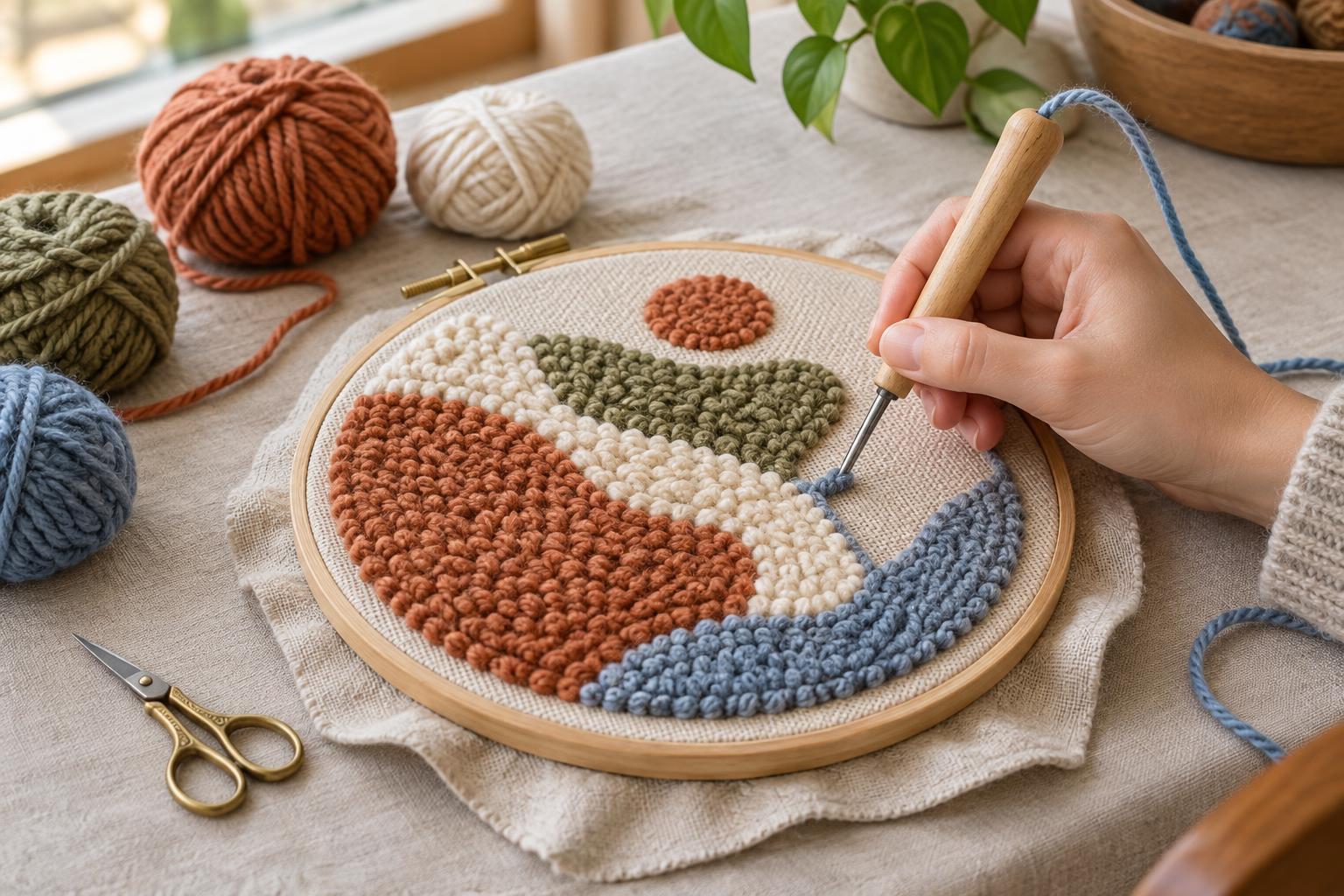
Craft TechniquesPunch needle loops stay in place through the grip of the fabric, steady yarn tension and closely spaced stitches. Learn how to choose a foundation, punch consistently and finish a wall hanging without flattening its texture.
Read article · 4 min↗
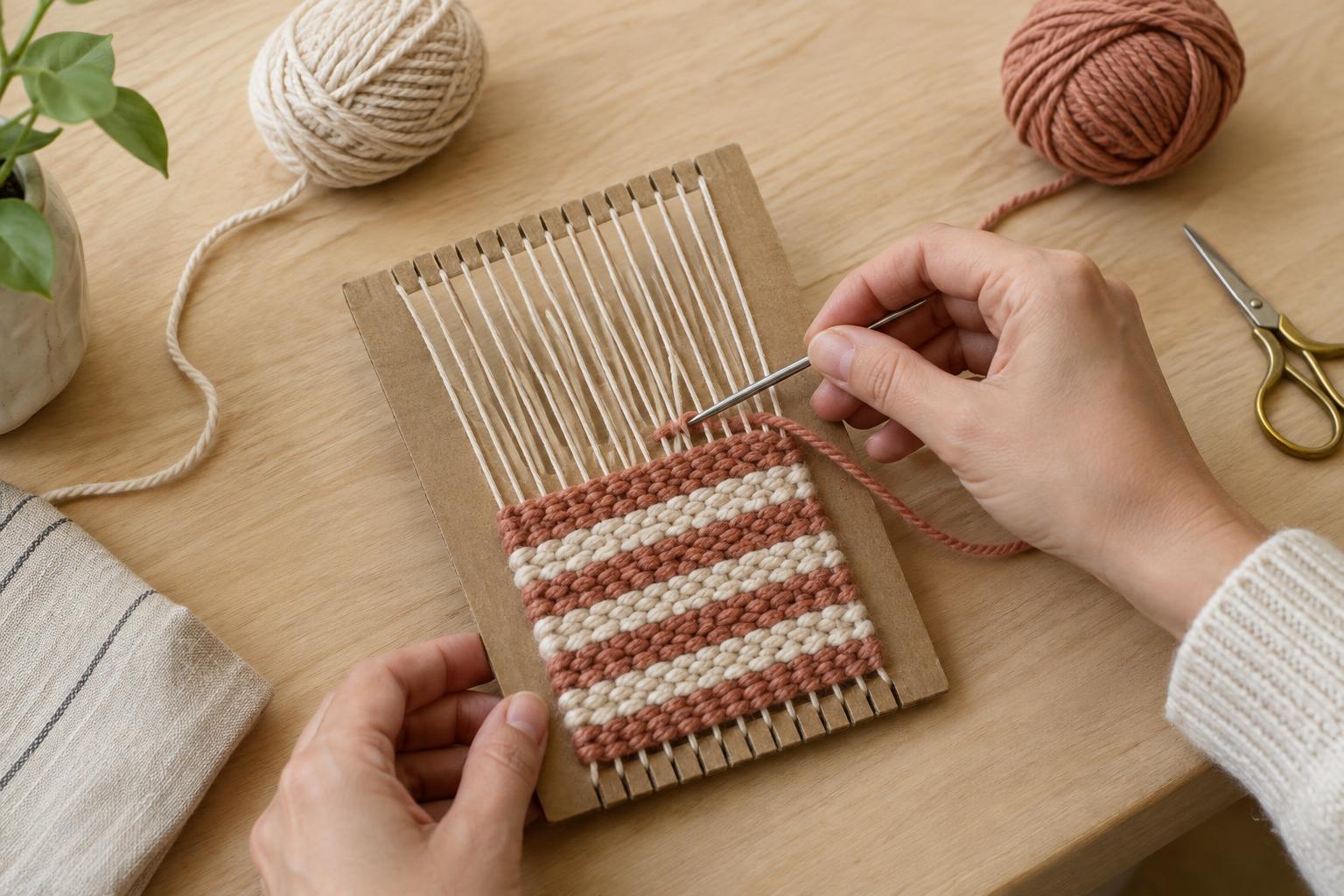
Craft TechniquesTurn a piece of cardboard and a few lengths of cotton yarn into a small woven coaster. This beginner-friendly project covers loom setup, an even weave, tidy edges and a simple knotted finish.
Read article · 4 min↗
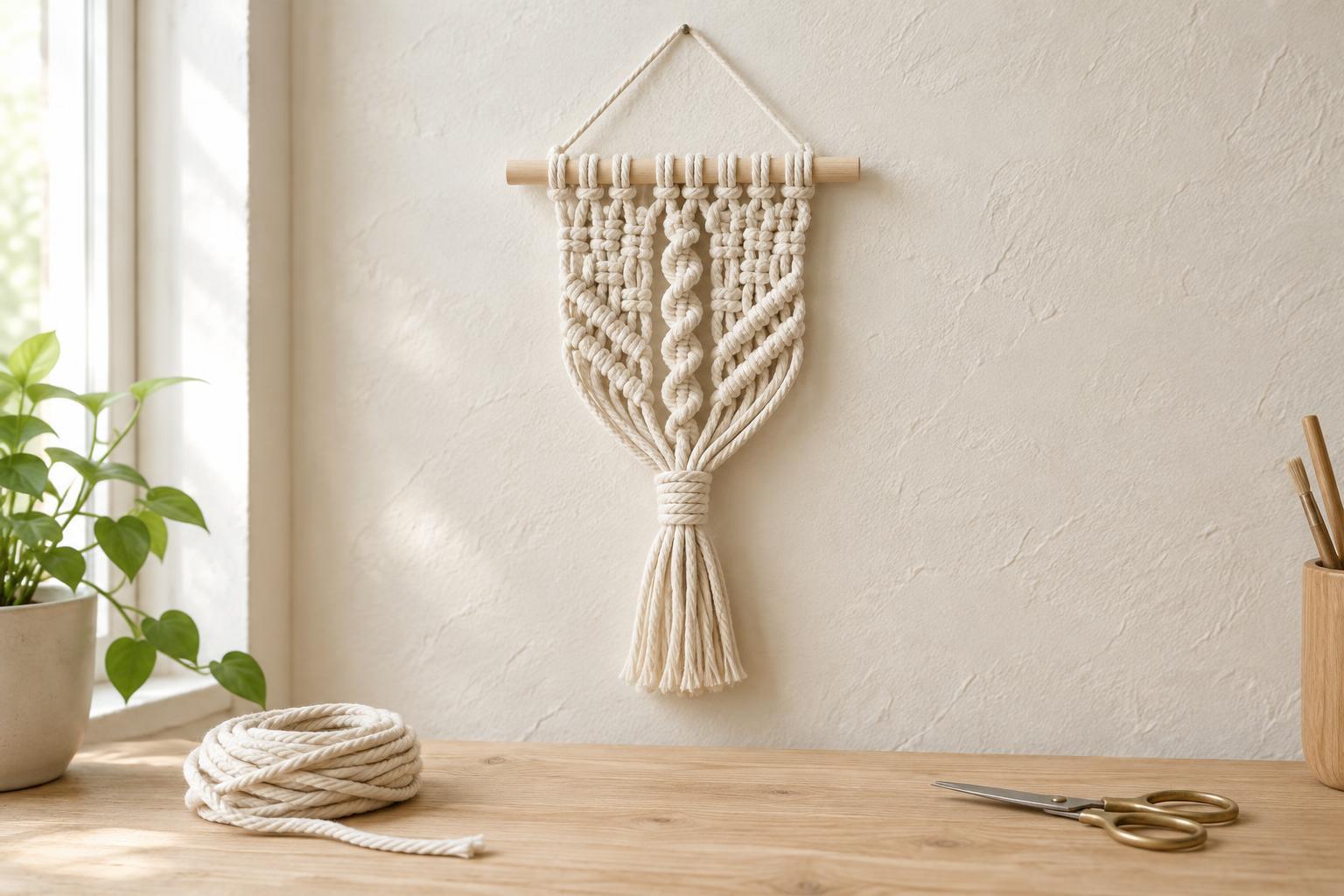
Craft TechniquesLearn five useful macramé knots while making a compact wall hanging. This beginner-friendly guide covers cord setup, knot direction, simple pattern choices, and a neat gathered finish.
Read article · 4 min↗
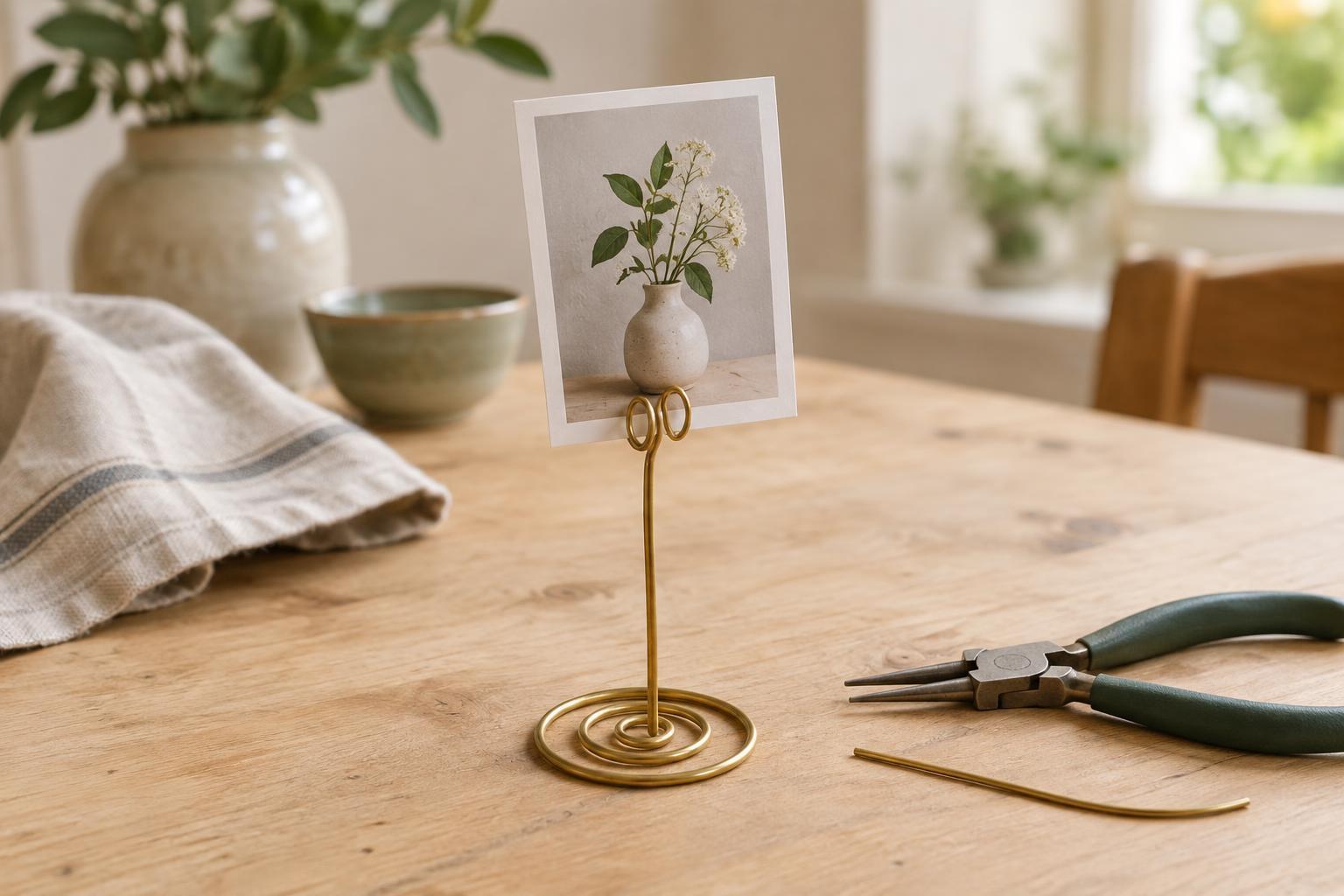
Craft TechniquesTurn a length of craft wire into a small tabletop photo holder with a stable base and a gentle loop for a print or postcard. Learn how to choose wire, shape it with pliers and adjust the finished piece so it stands securely.
Read article · 4 min↗
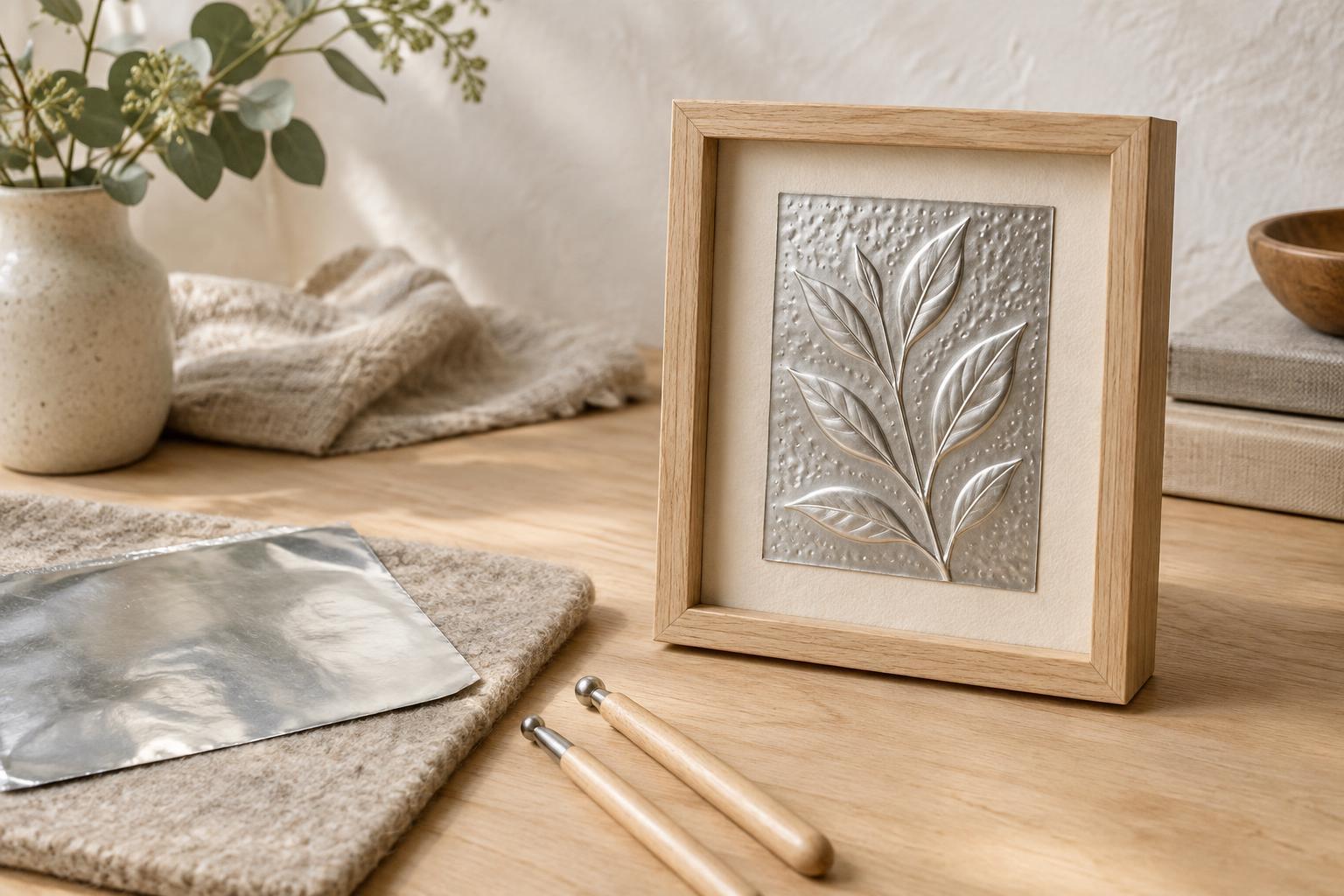
Craft TechniquesTurn a sheet of soft craft foil into a small framed artwork with simple tools, a padded work surface and a raised-line design. Learn how to build depth gradually, add texture without overcrowding the image and mount the finished piece securely.
Read article · 4 min↗
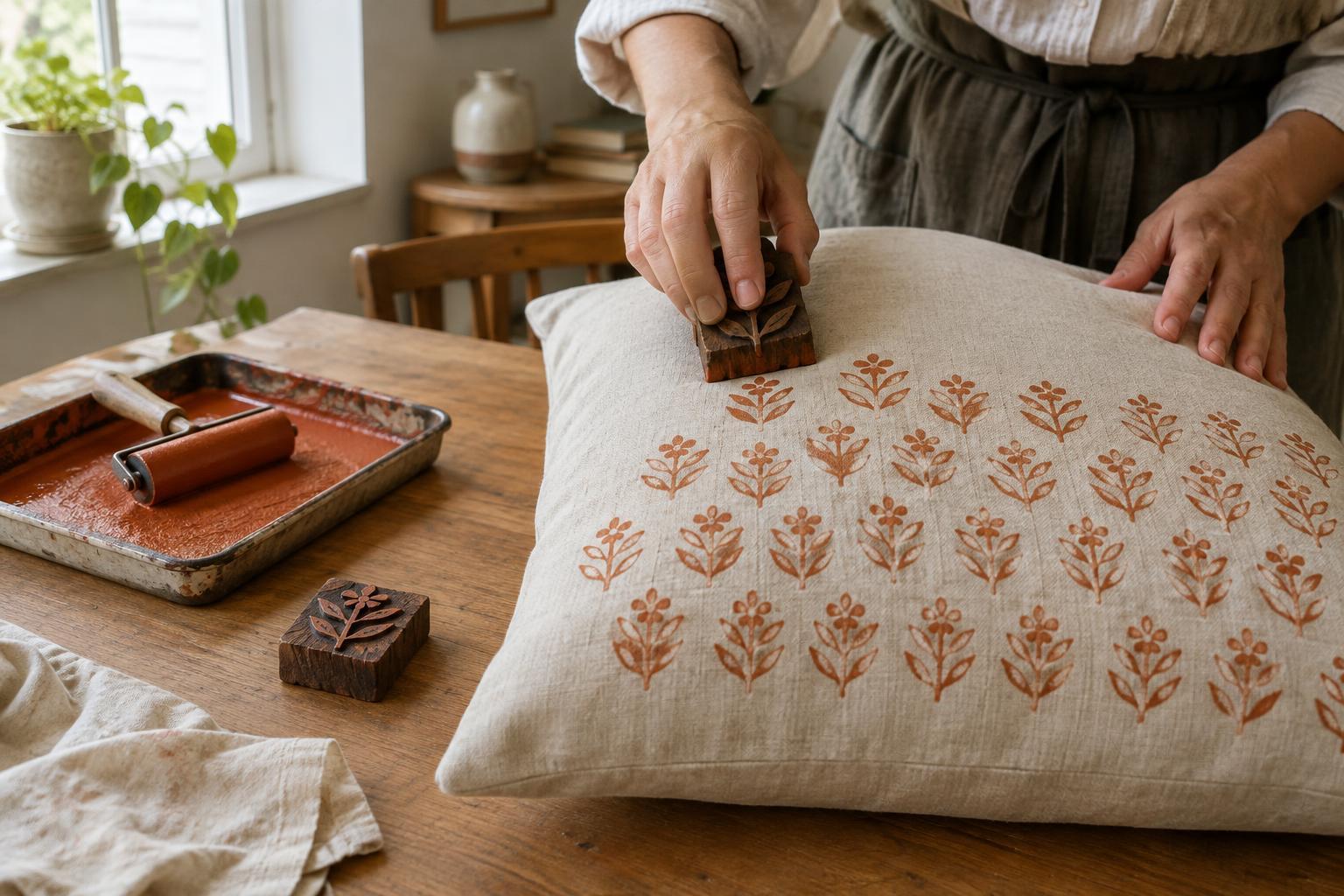
Craft TechniquesGive a plain cushion cover a handmade pattern with one carved block and a simple repeat. This guide covers fabric preparation, block design, spacing, printing, and caring for the finished cover.
Read article · 4 min↗
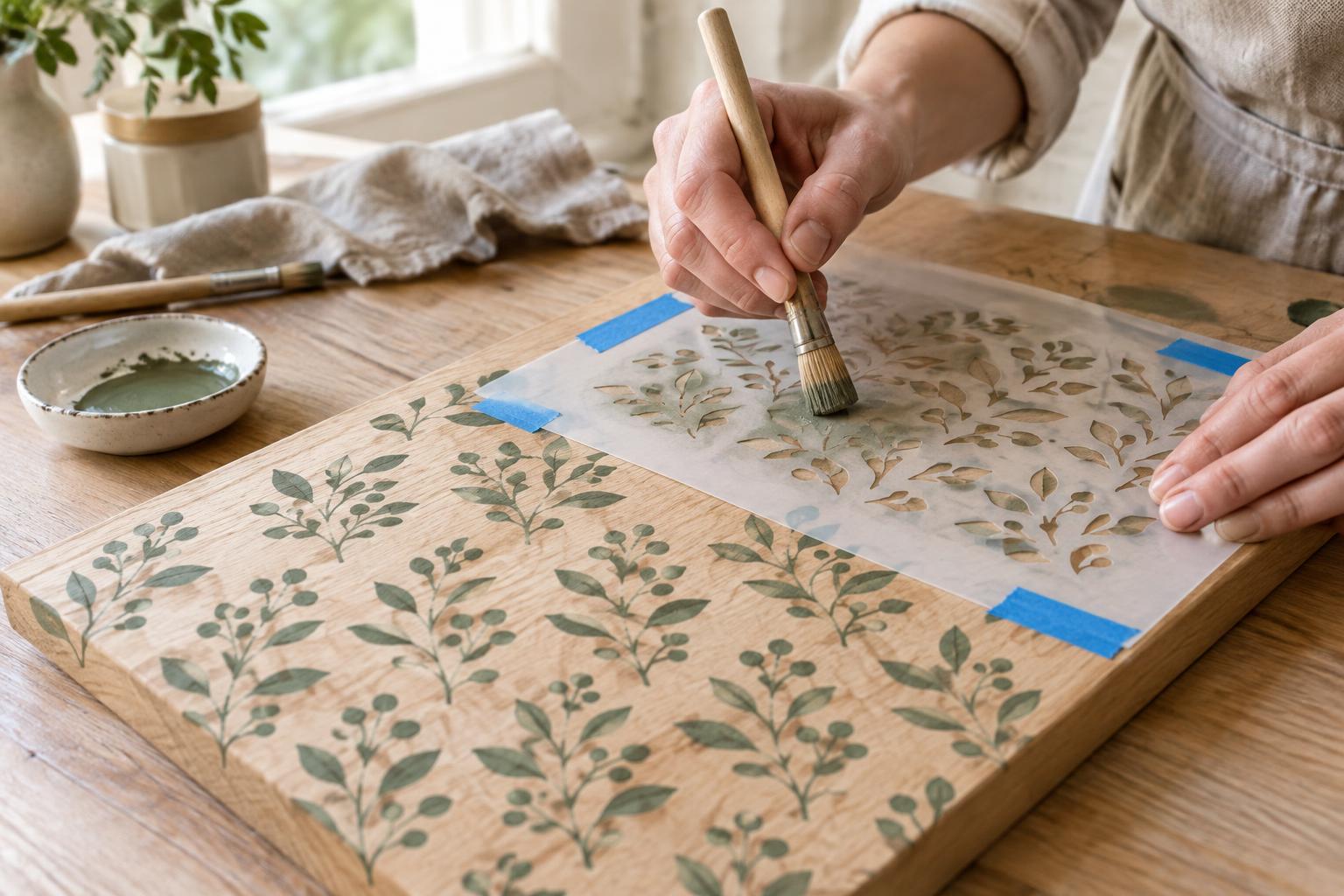
Craft TechniquesWood grain, uneven surfaces and excess paint can turn a sharp stencil into a fuzzy shape. Learn how to prepare the wood, secure the stencil and build color in light layers for cleaner decorative patterns.
Read article · 4 min↗
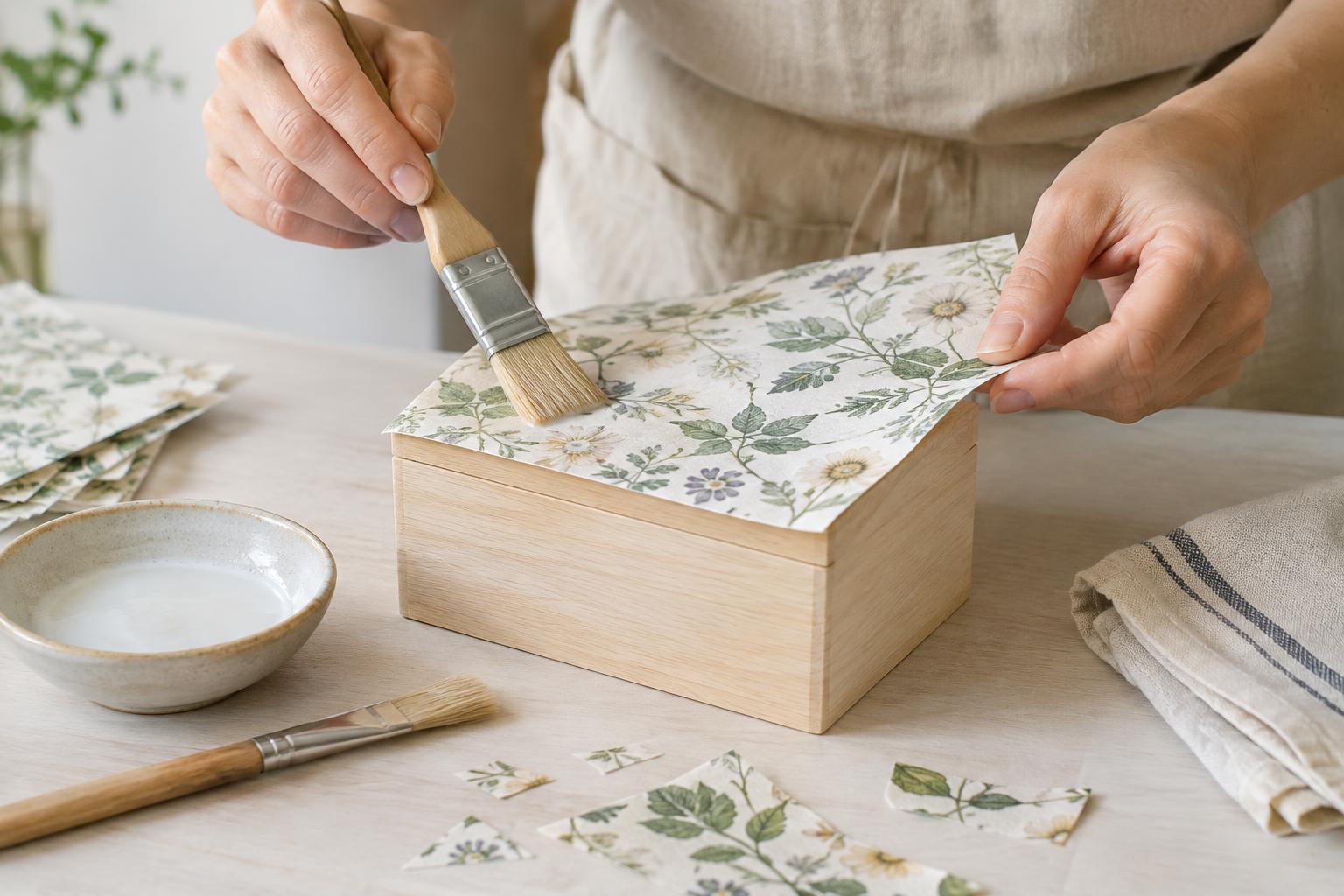
Craft TechniquesA smooth decoupage finish starts before the paper touches the box. Learn how to prepare wood, control the adhesive, lay down the design and finish the surface without trapping air or stretching delicate paper.
Read article · 4 min↗
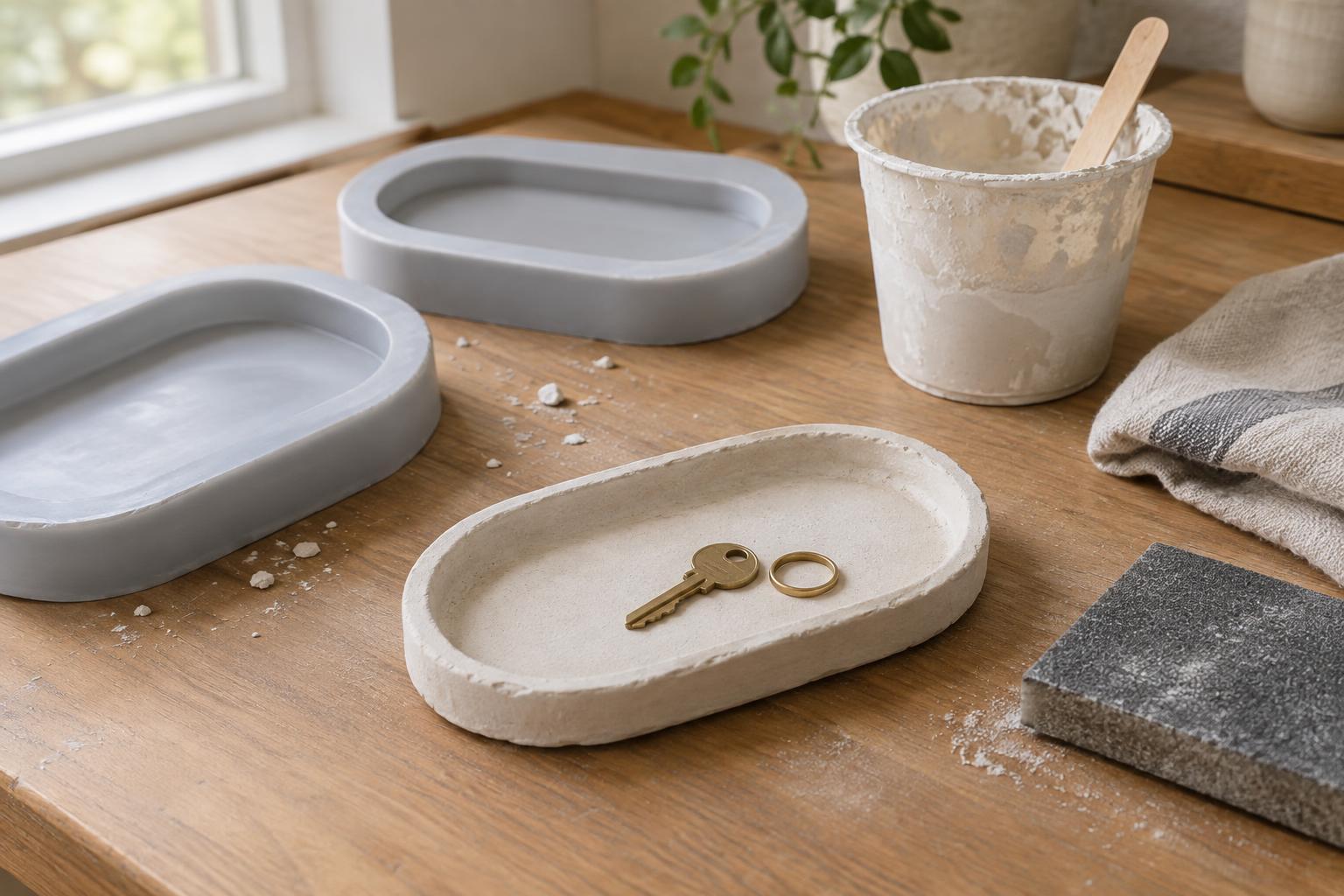
Craft TechniquesA small plaster tray is a manageable introduction to casting. Learn how to choose a mold, mix a small batch, pour with fewer bubbles, and finish the piece for holding keys or jewelry.
Read article · 4 min↗
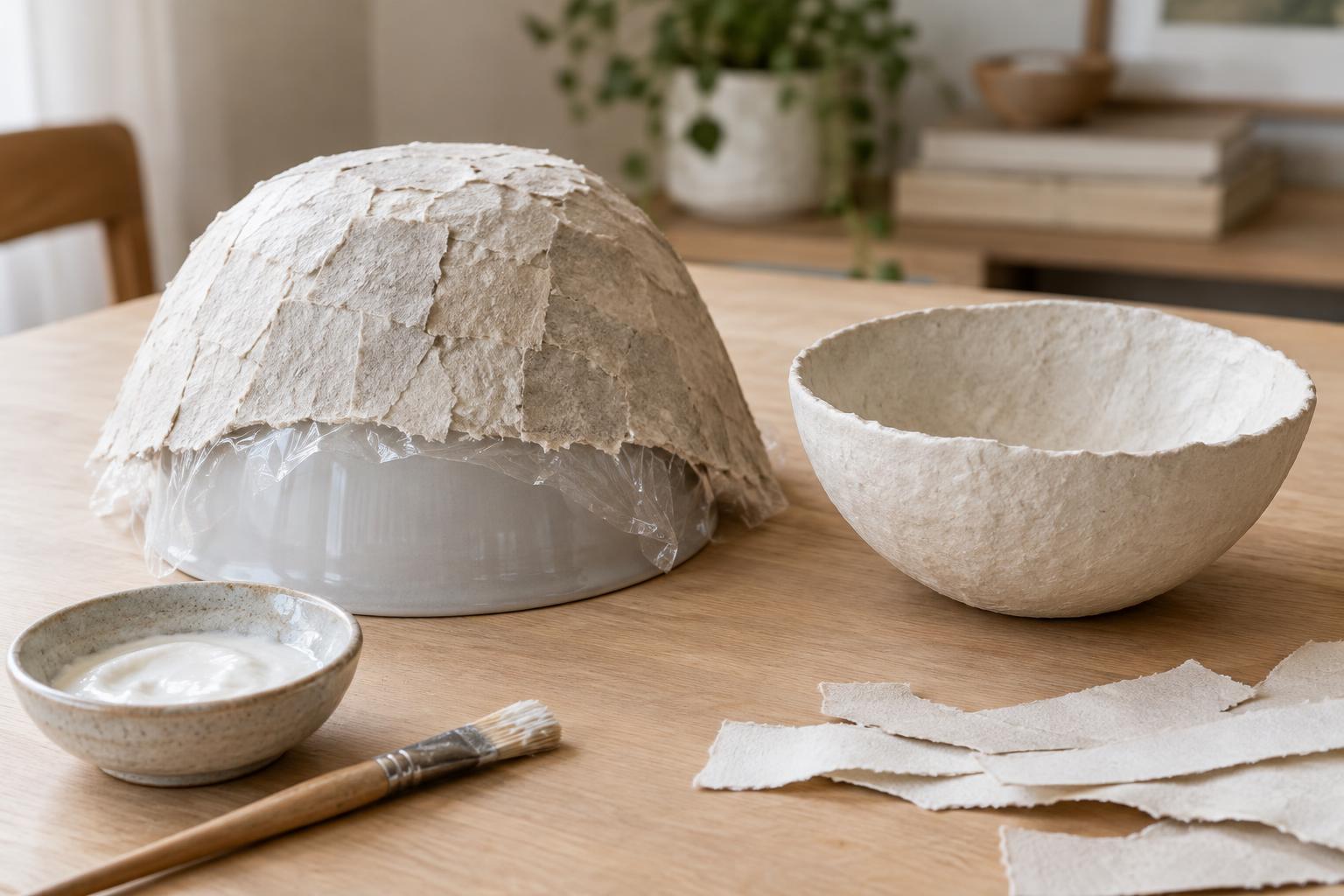
Craft TechniquesA smooth bowl makes a useful temporary form for papier-mâché. Learn how to prepare a removable mold, build an even paper shell, dry it thoroughly, and finish it as a decorative catchall.
Read article · 4 min↗
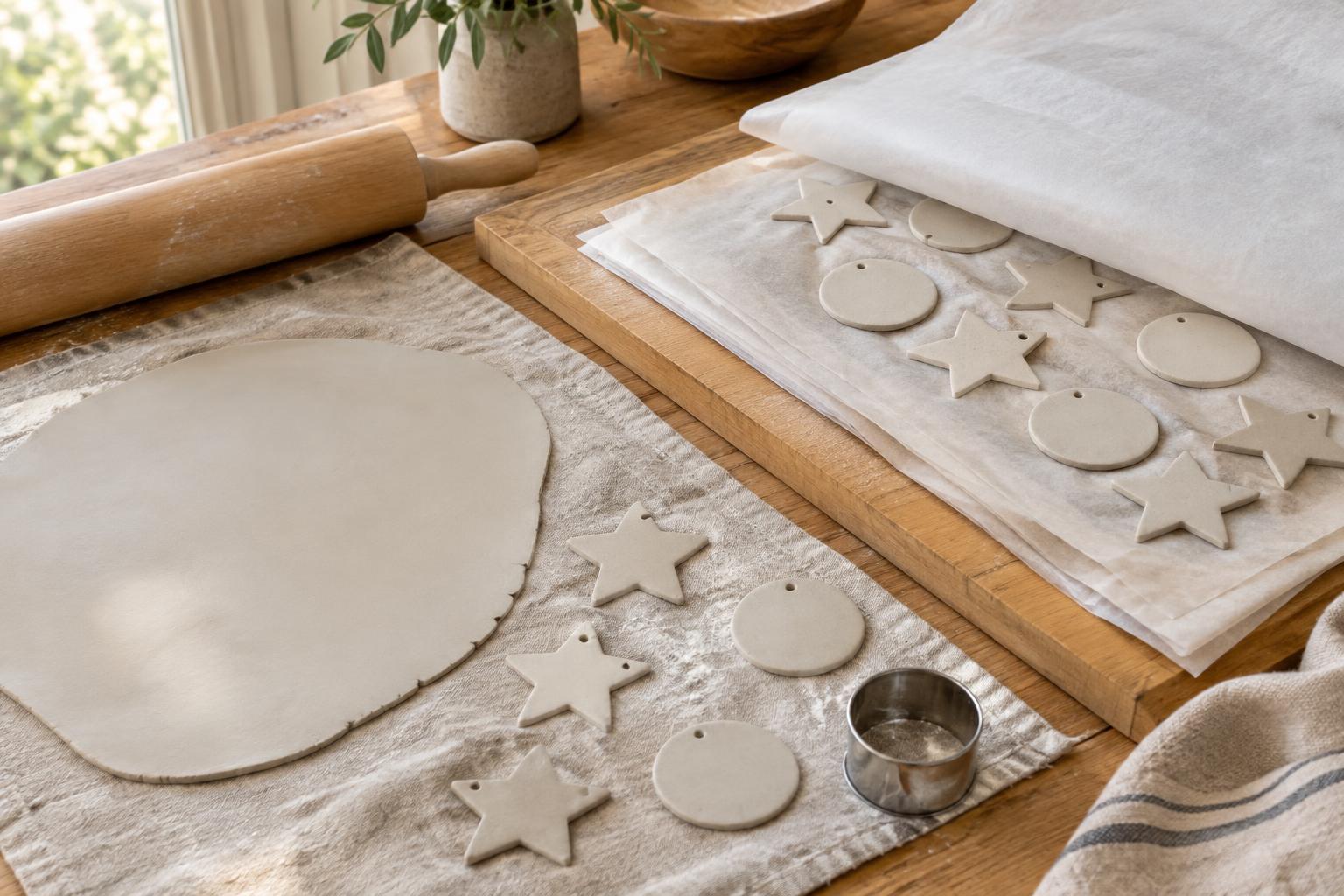
Craft TechniquesFlat air-dry clay ornaments can curl as they lose moisture. Learn how to roll, cut, support and dry them more evenly, with simple ways to handle hanging holes and tidy the edges.
Read article · 4 min↗
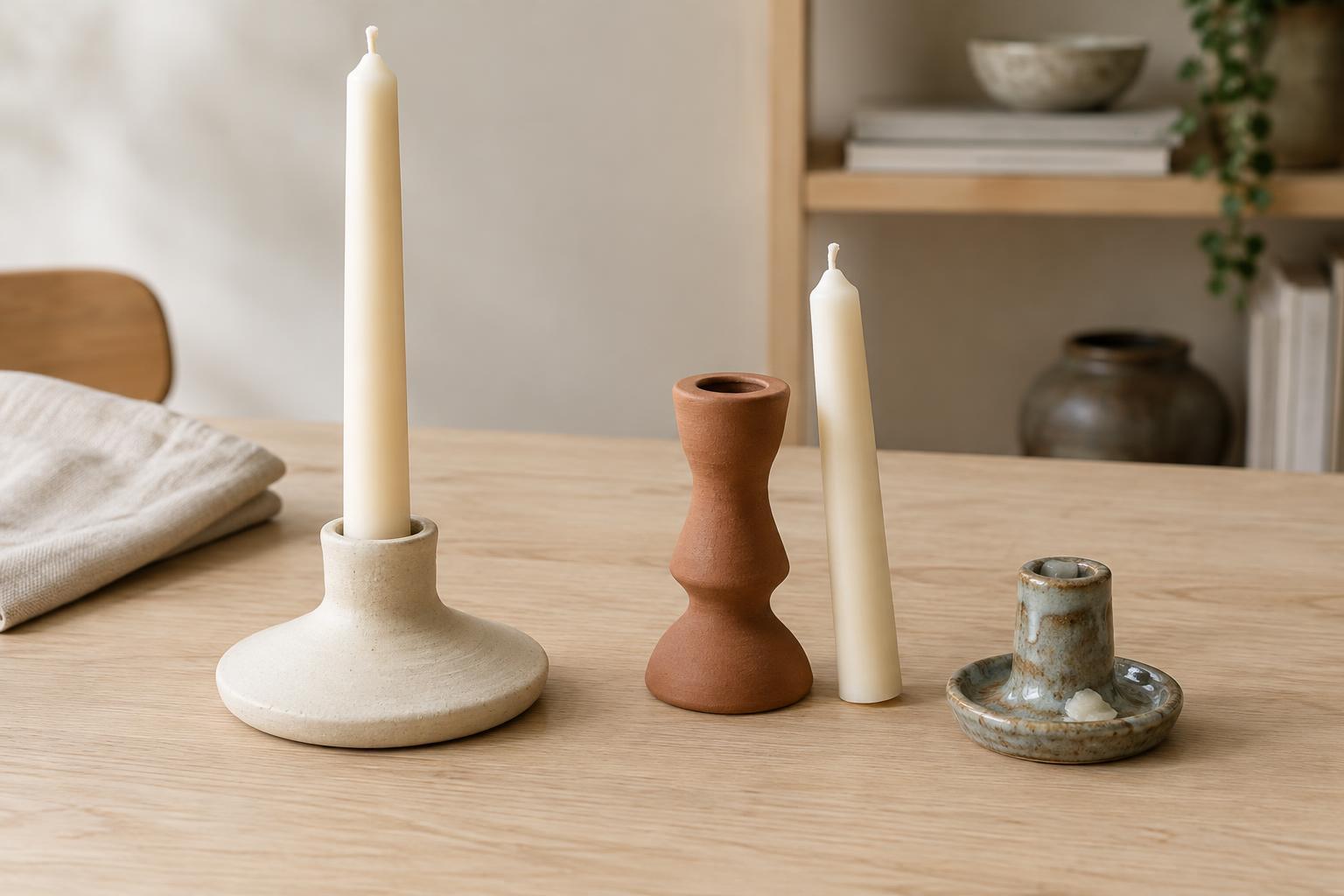
Ceramics and ObjectsA ceramic candle holder can look perfect on a shelf yet prove awkward or unsafe to use. Learn what to check before buying, from candle fit and stability to glaze, cleaning and placement.
Read article · 4 min↗
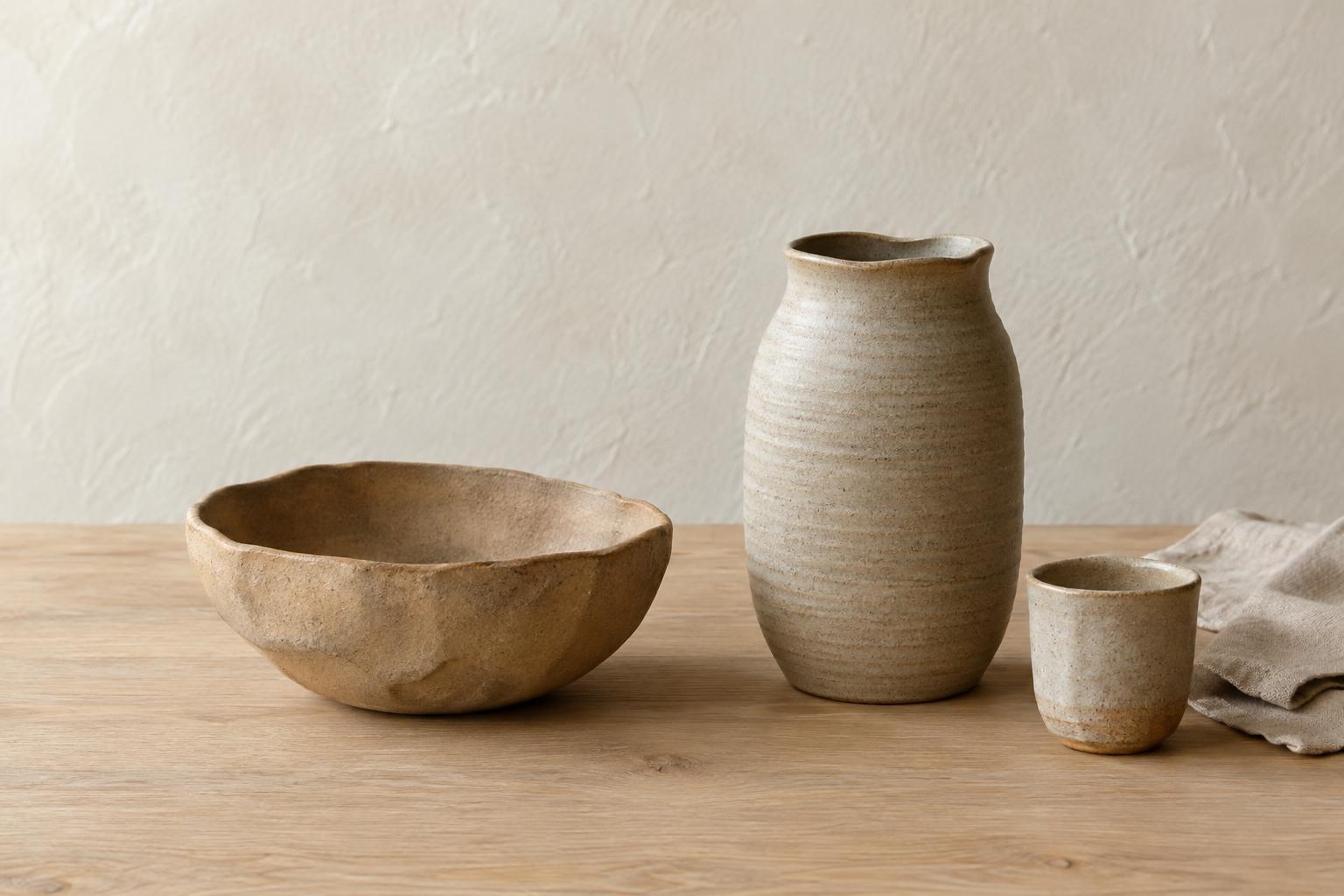
Ceramics and ObjectsA handmade bowl may look perfectly round, while a wheel-thrown vase may have a deliberately uneven rim. Learn which details can suggest how a ceramic object was made—and which practical qualities matter more when choosing it for a shelf or table.
Read article · 4 min↗
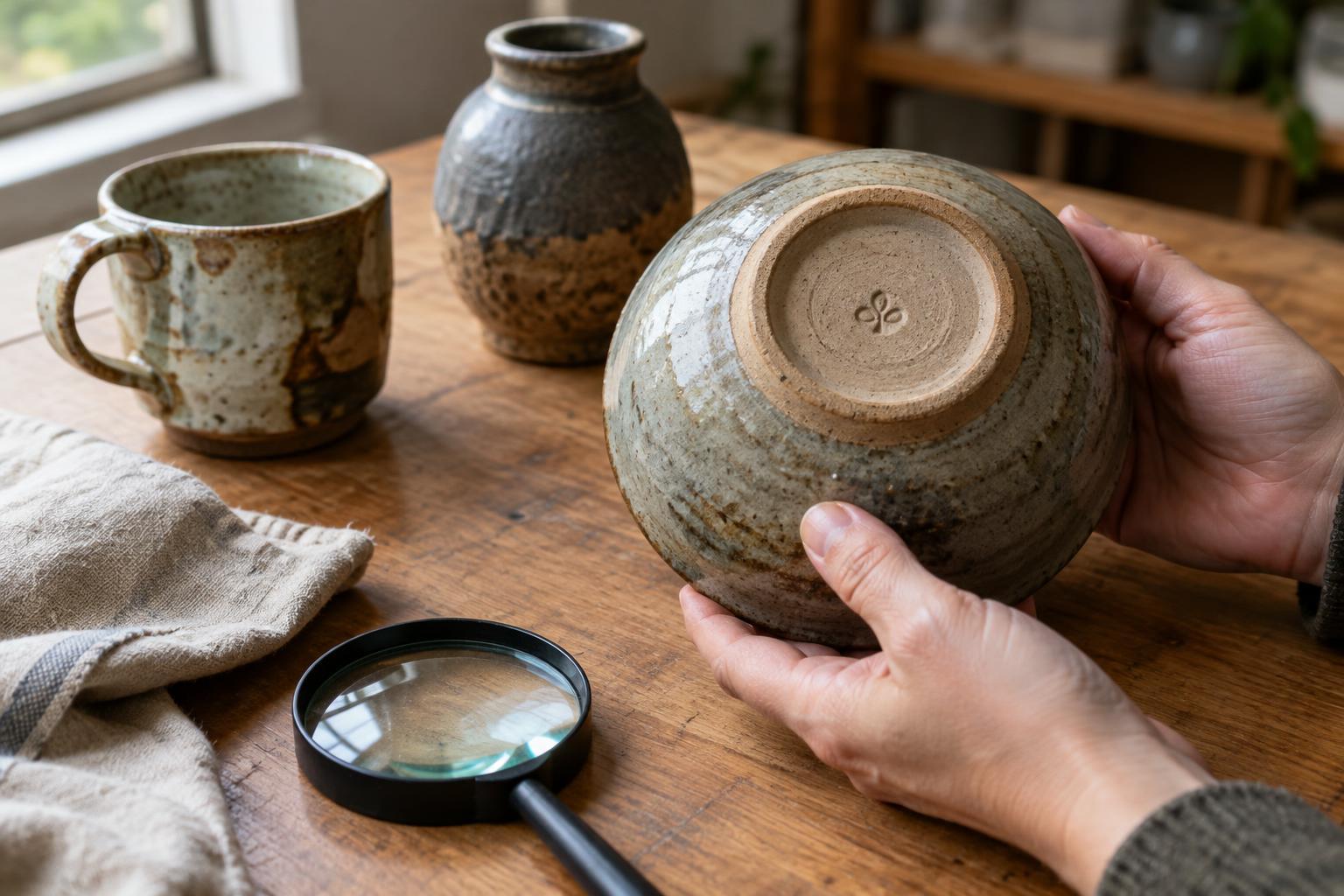
Ceramics and ObjectsA stamp, scratched initial or painted symbol can offer a clue to a studio pot’s origins, but it rarely tells the whole story. Learn where to look, how different marks are made and how to record what you find without jumping to an attribution.
Read article · 4 min↗
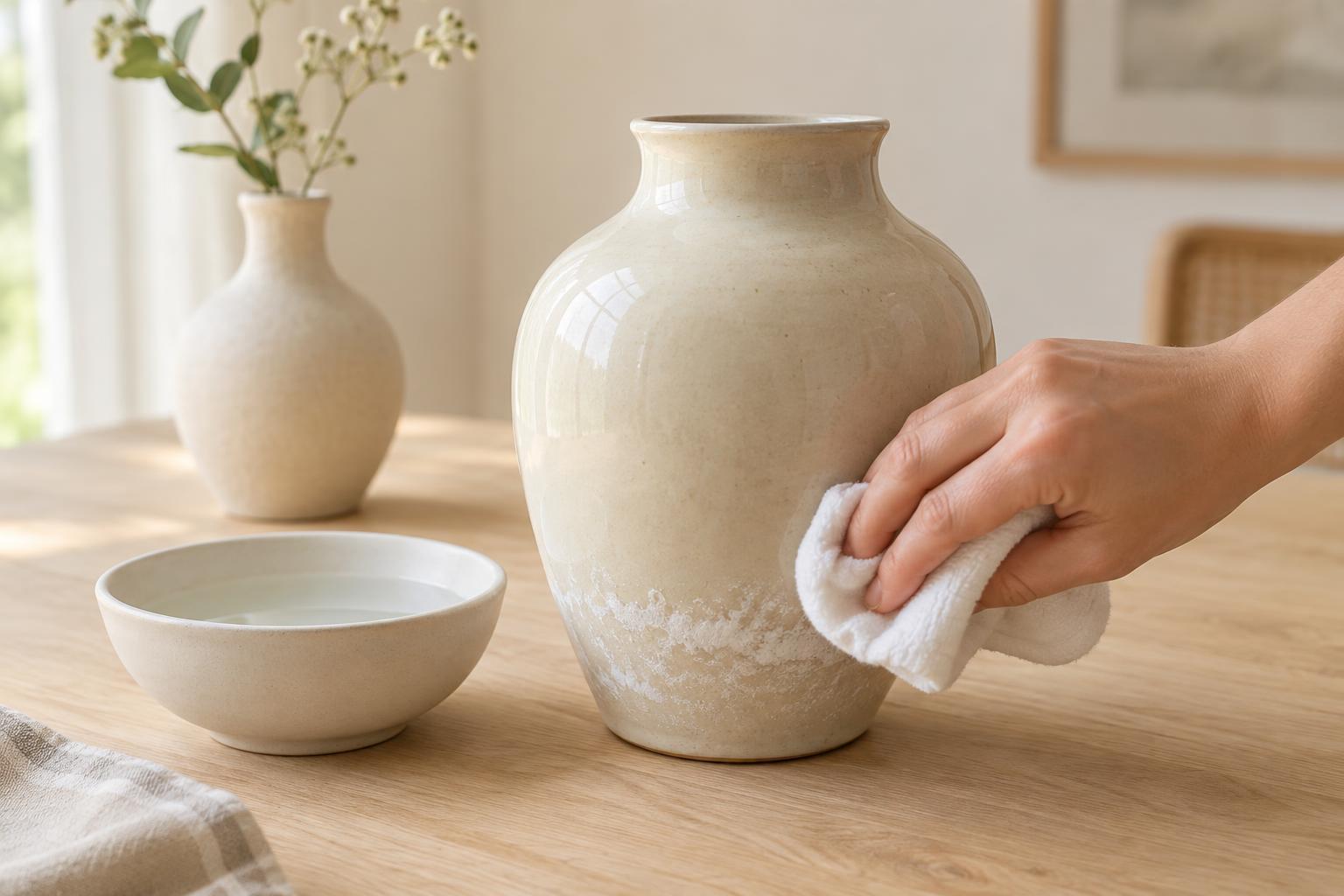
Ceramics and ObjectsCloudy rings and chalky residue can make a ceramic vase look dull. Learn how to identify likely mineral deposits, clean a sound glazed vase gently, and protect delicate finishes from unnecessary damage.
Read article · 4 min↗
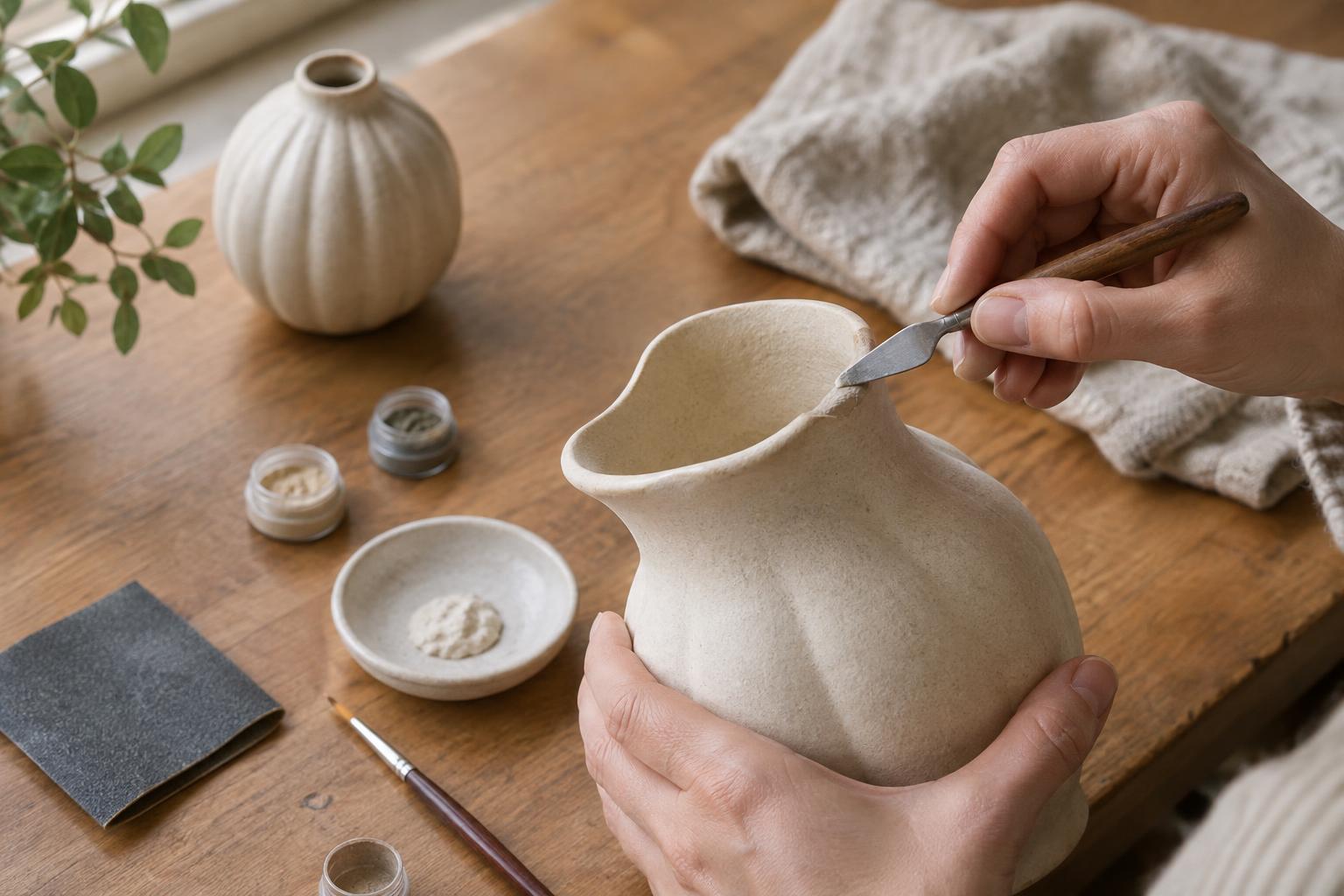
Ceramics and ObjectsA small chip on a decorative ceramic vase, figurine or tray does not always mean the piece has to be put away. Learn when a home repair is appropriate, how to fill the missing area and how to blend the finish while keeping the object for display only.
Read article · 4 min↗
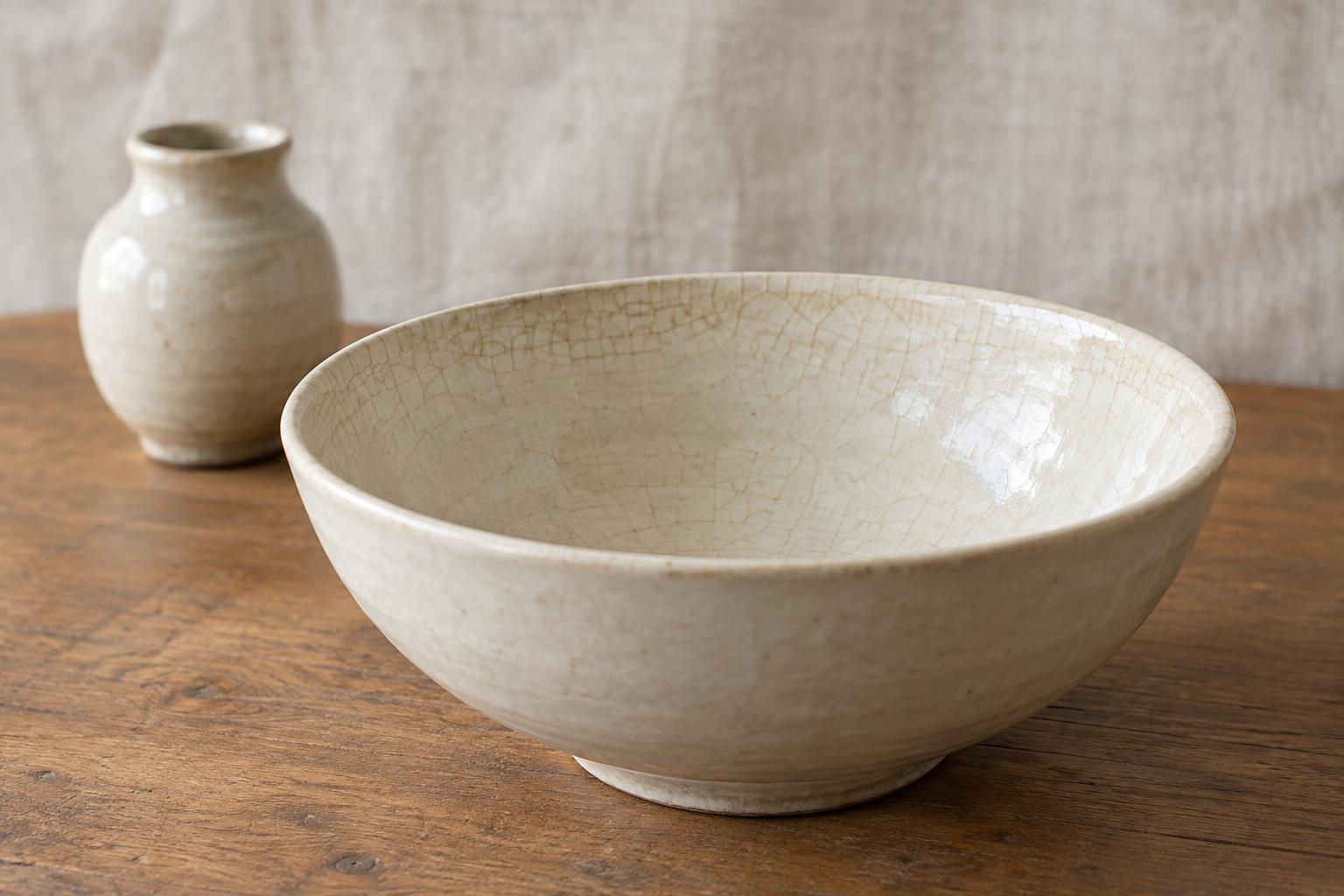
Ceramics and ObjectsFine lines in a ceramic glaze can be charming, worrying, or both. Learn how to recognize crazing, distinguish it from a deeper crack, and decide whether an object belongs on the table, on a shelf, or in need of further assessment.
Read article · 4 min↗
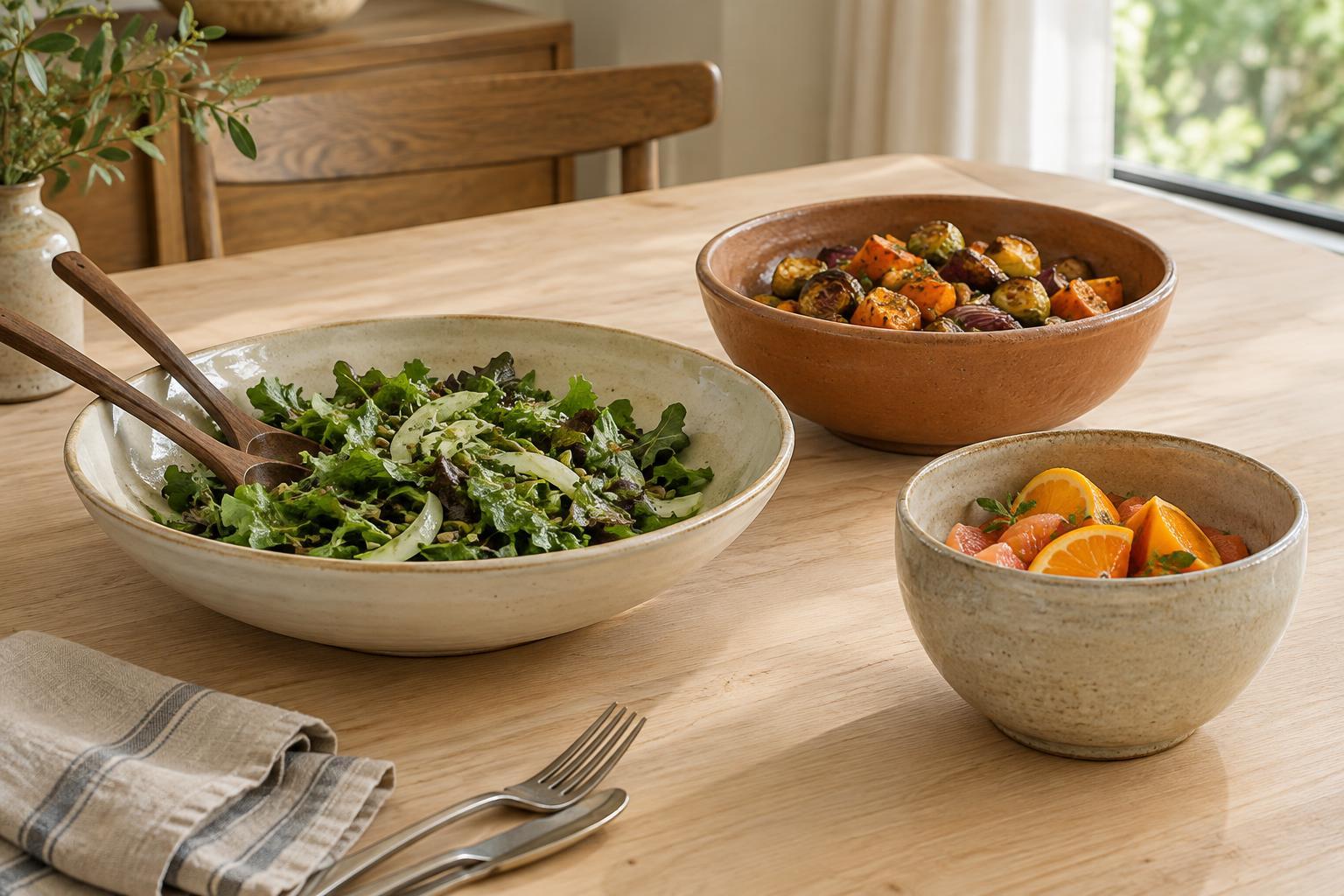
Ceramics and ObjectsA serving bowl should suit both the food and the way it moves around the table. Learn how depth, width and weight affect tossing, scooping, carrying and storage, with simple checks to make before choosing one.
Read article · 4 min↗
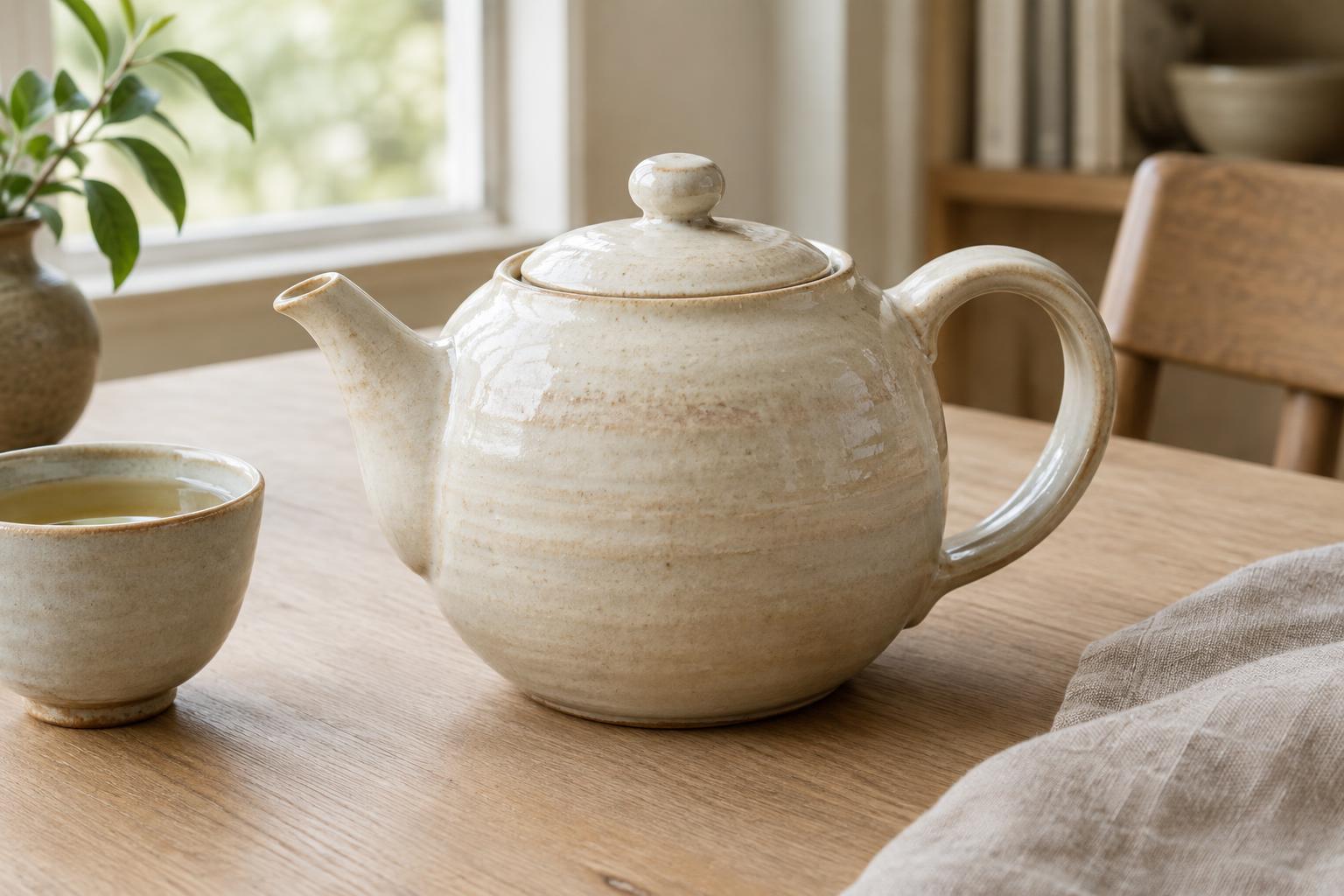
Ceramics and ObjectsA ceramic teapot should do more than look good on a shelf. Learn how to assess its lid, spout, handle, glaze and capacity, and what to check before bringing one home.
Read article · 4 min↗
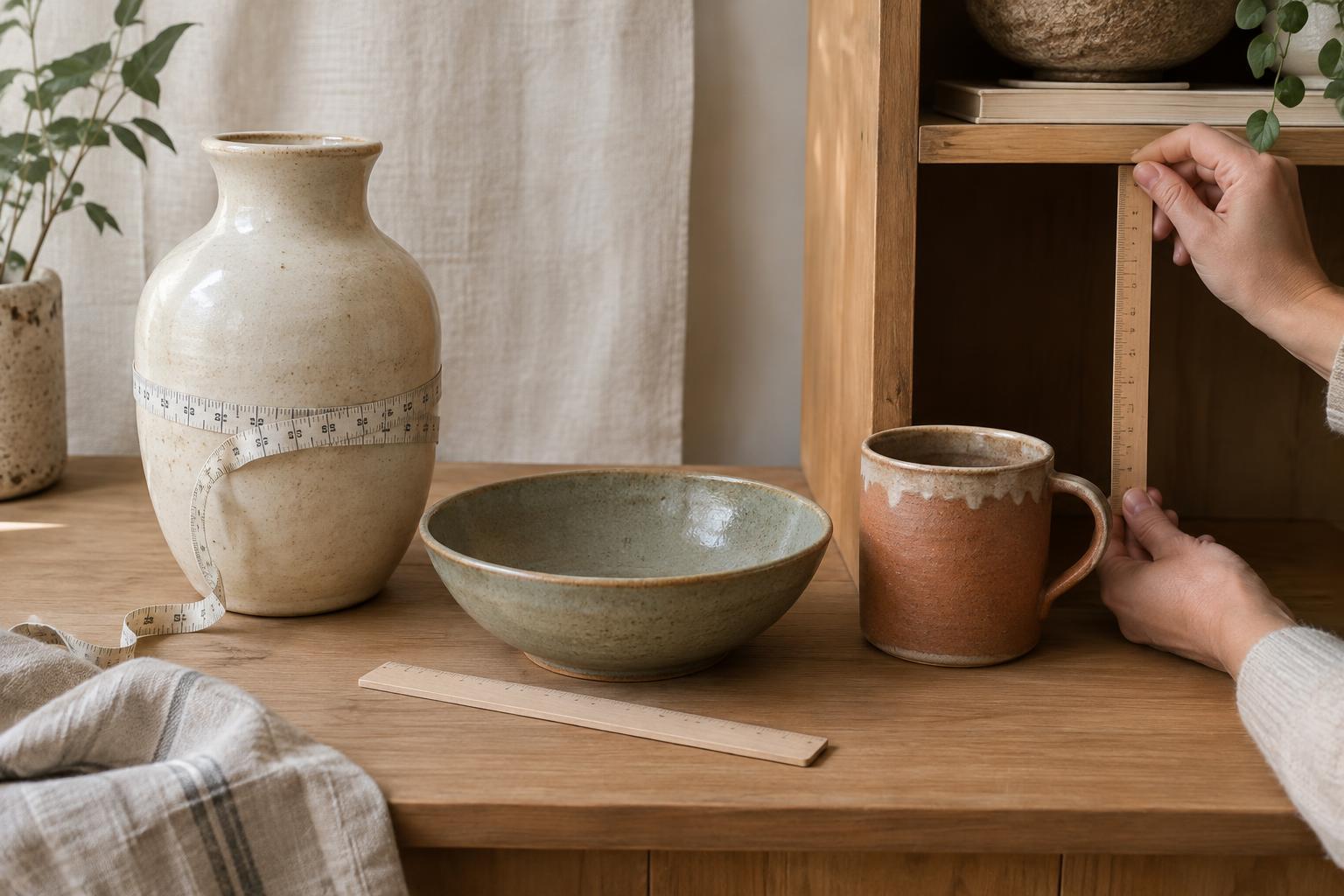
Ceramics and ObjectsA pottery listing can give you the right measurements and still leave you unsure whether a piece will fit. Learn which dimensions matter for vases, bowls, mugs and decorative objects, and how to check them against the space you have at home.
Read article · 4 min↗
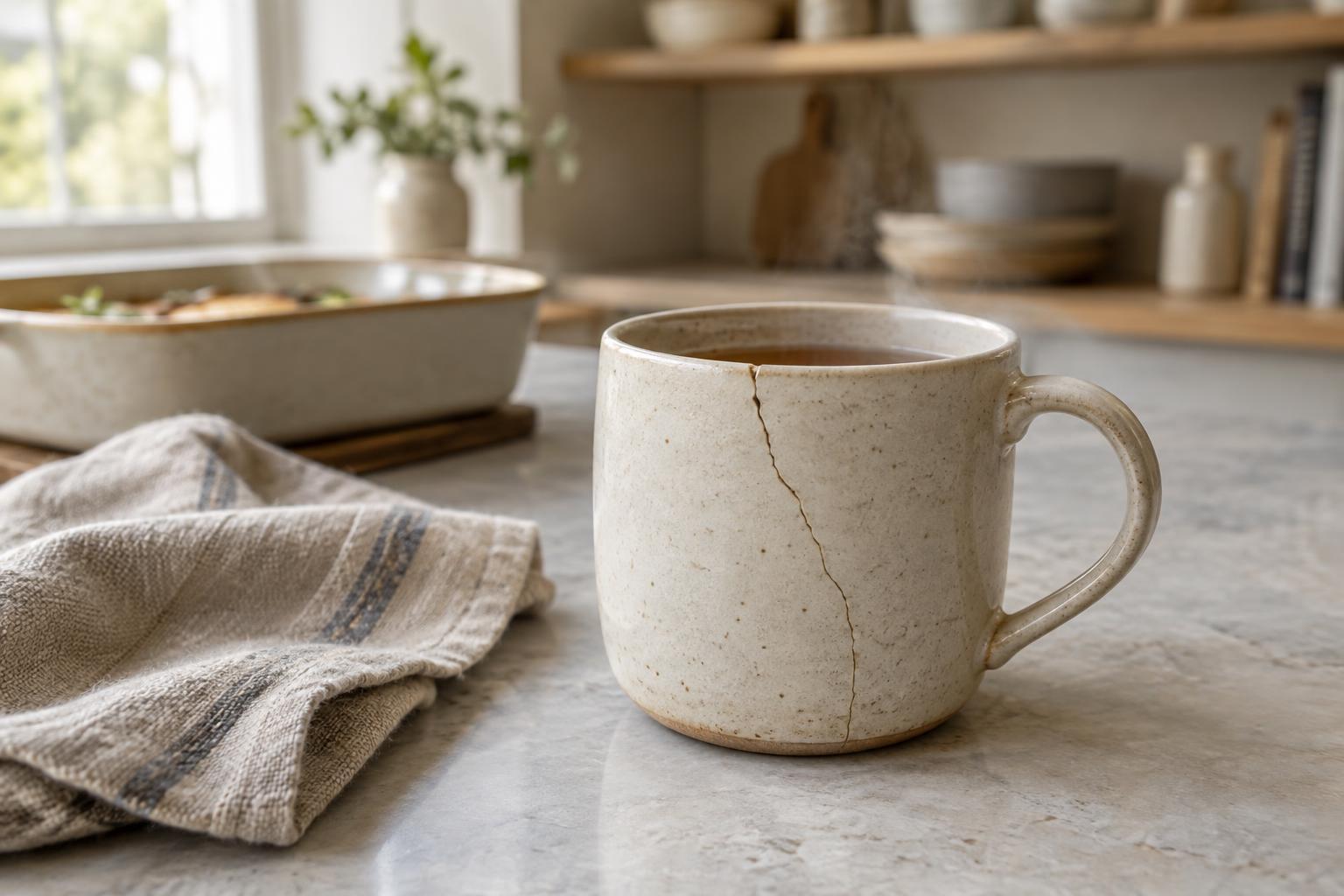
Ceramics and ObjectsA hot mug on a cold counter, a chilled baking dish in a hot oven: sudden temperature changes can put ceramic objects under stress. Learn why cracks happen, what glaze lines mean, and how to handle handmade and everyday pieces more carefully.
Read article · 4 min↗
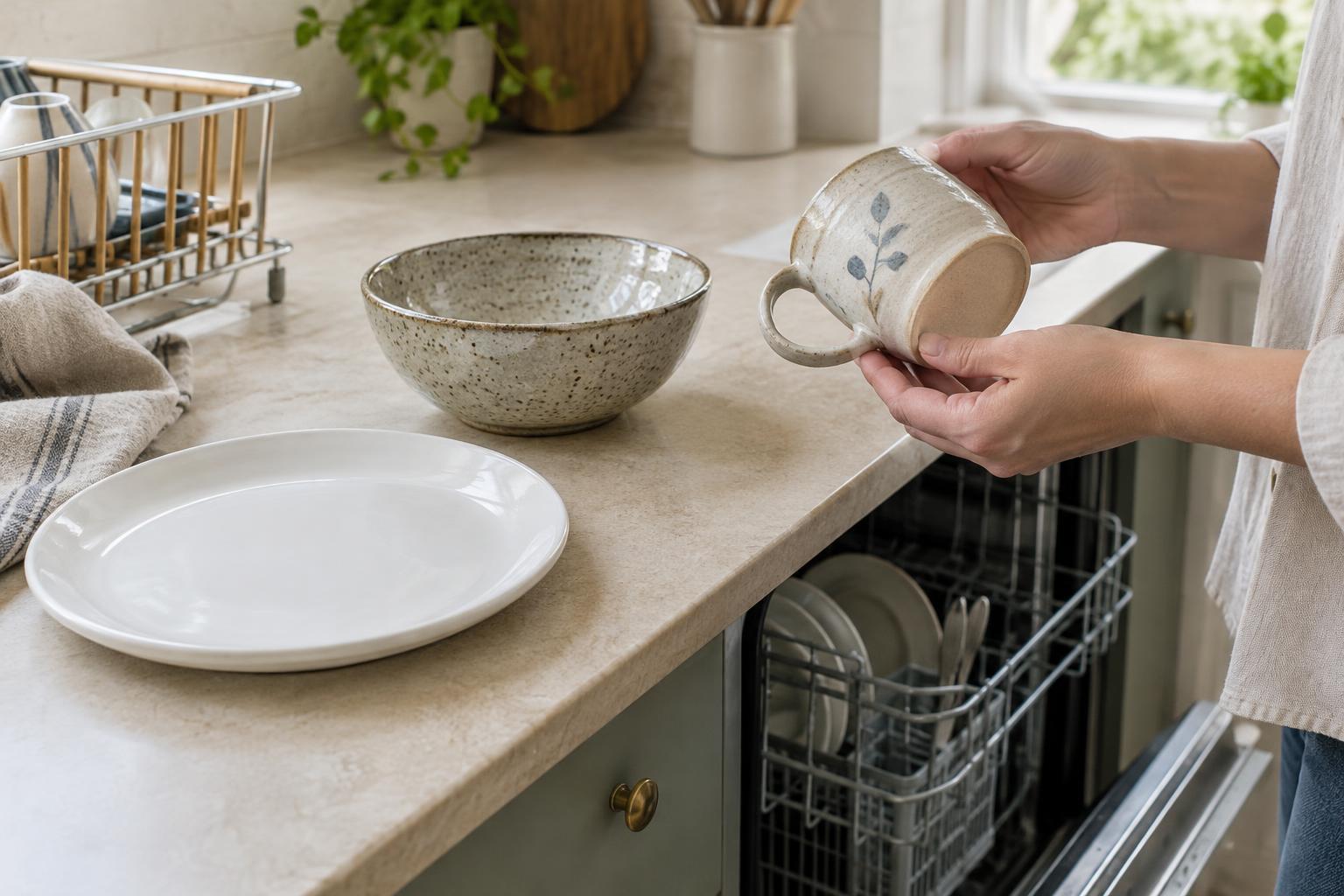
Ceramics and ObjectsPorcelain, stoneware and earthenware can look equally sturdy, but they do not always handle a dishwasher the same way. Learn how to check a piece’s care guidance, spot finishes that deserve handwashing and clean uncertain ceramics without unnecessary risk.
Read article · 3 min↗
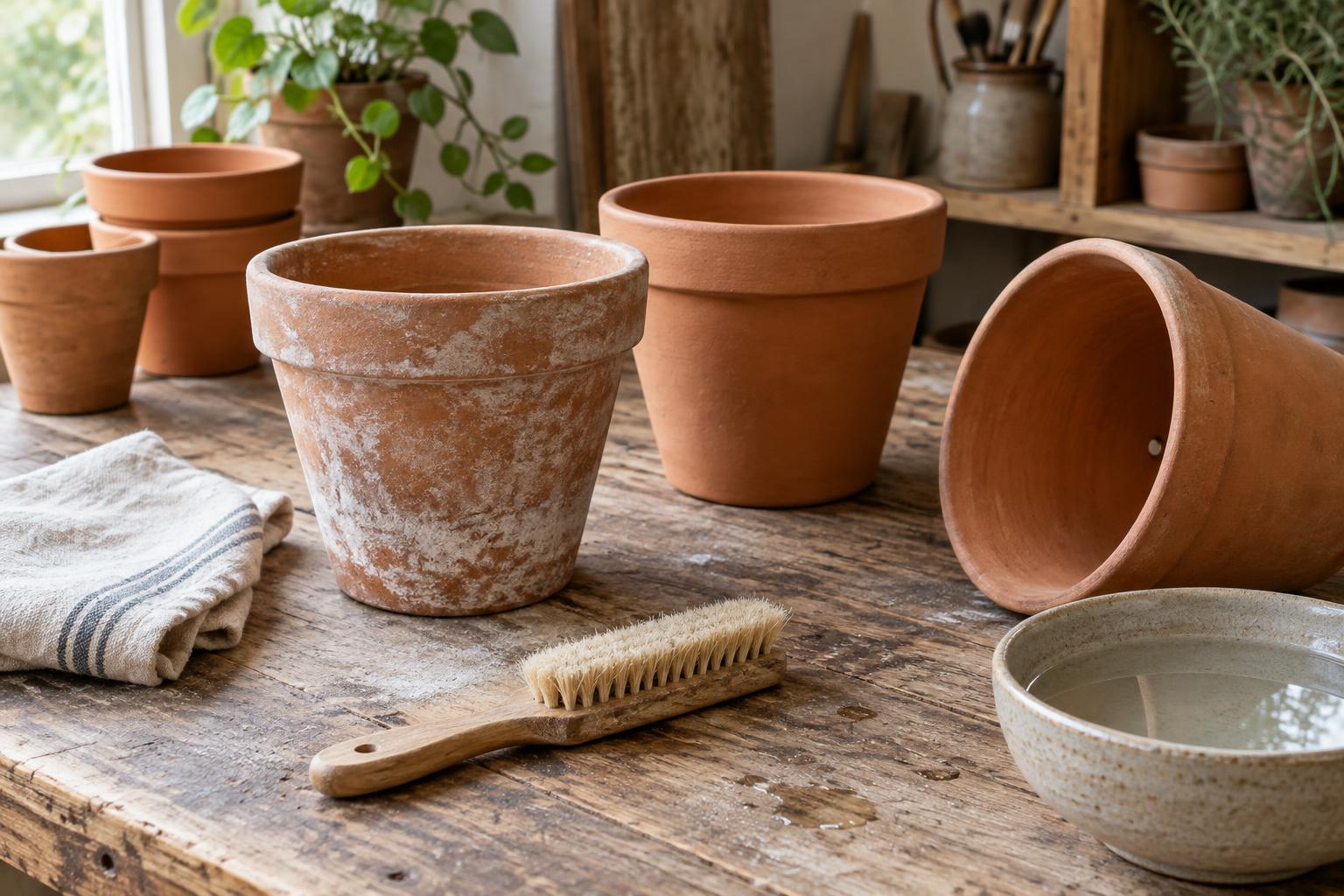
Ceramics and ObjectsUnglazed terracotta develops character with use, but its porous surface needs a little attention. Learn how to clean mineral marks, avoid trapped moisture, store pots safely and decide when a stain is best left alone.
Read article · 4 min↗
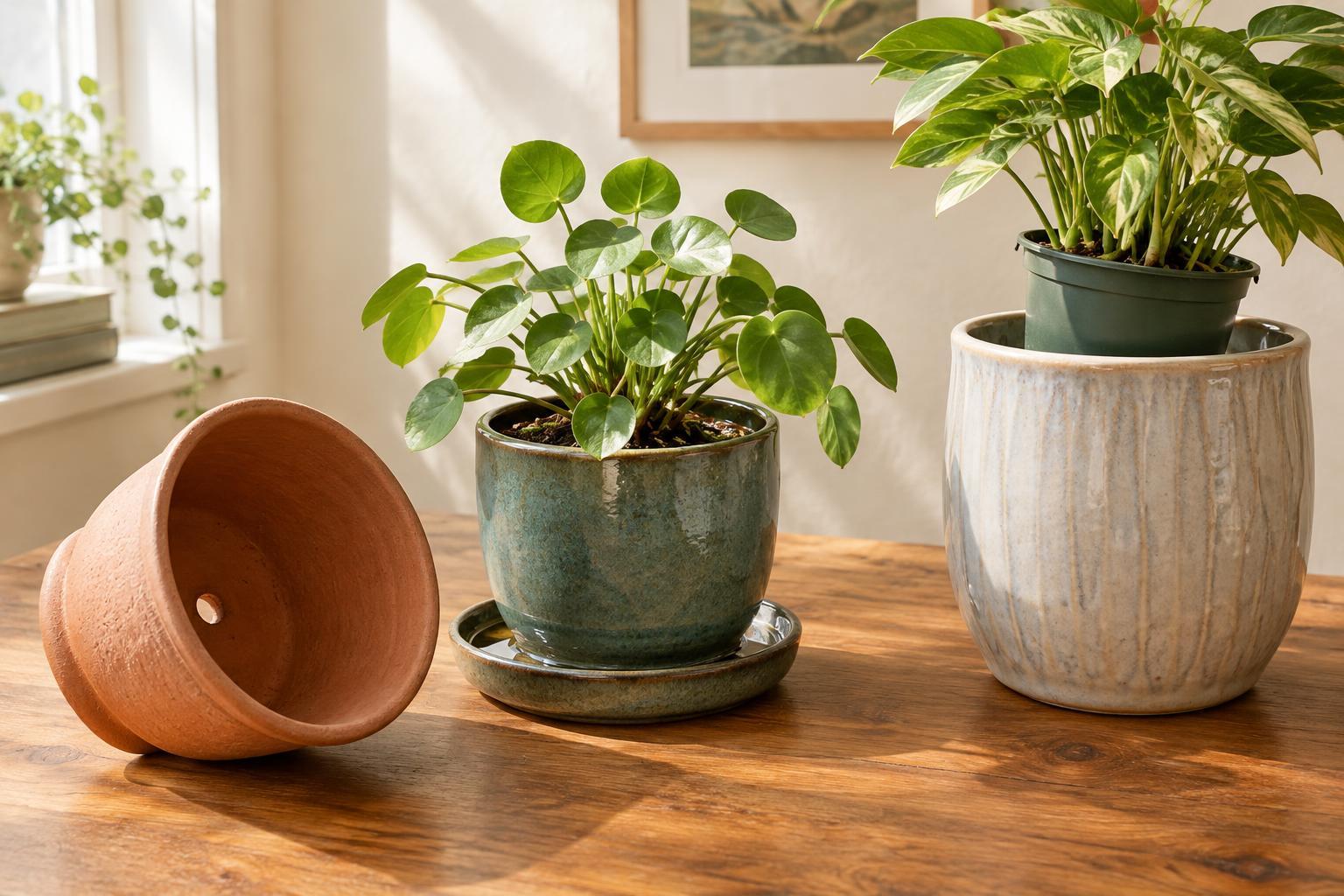
Ceramics and ObjectsA ceramic planter has to work for both the plant and the place it sits. Learn how drainage holes, saucers and cachepots handle water, and what to check before bringing a pot home.
Read article · 4 min↗
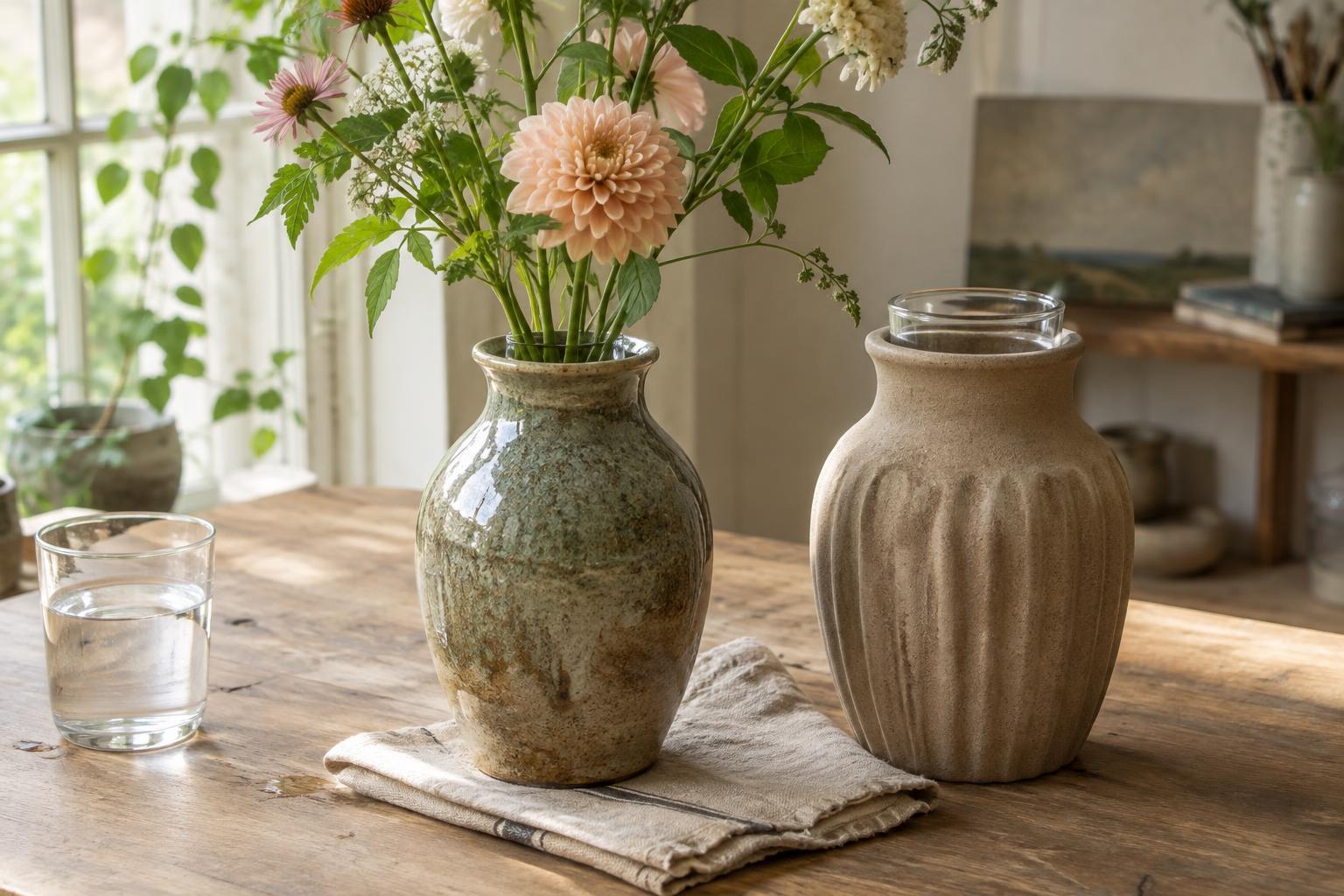
Ceramics and ObjectsA ceramic vase can look watertight without being suitable for fresh flowers. Learn what to check before buying, how to test a vase at home, and when a removable liner is the better choice.
Read article · 4 min↗
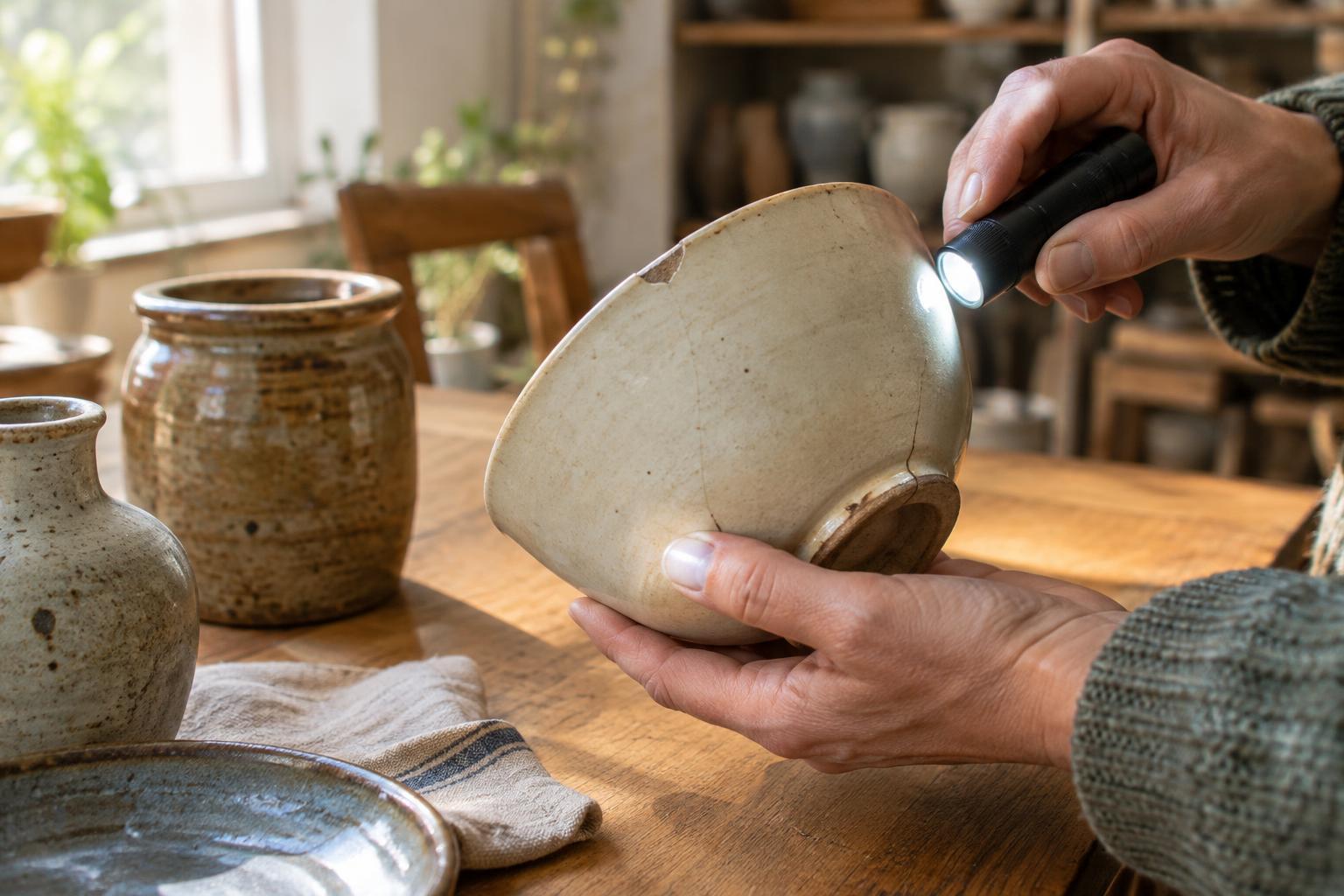
Ceramics and ObjectsA practical guide to checking secondhand pottery before you buy. Learn where damage tends to hide, how to tell surface crazing from a more serious crack, and when a repaired piece is best kept for display.
Read article · 4 min↗
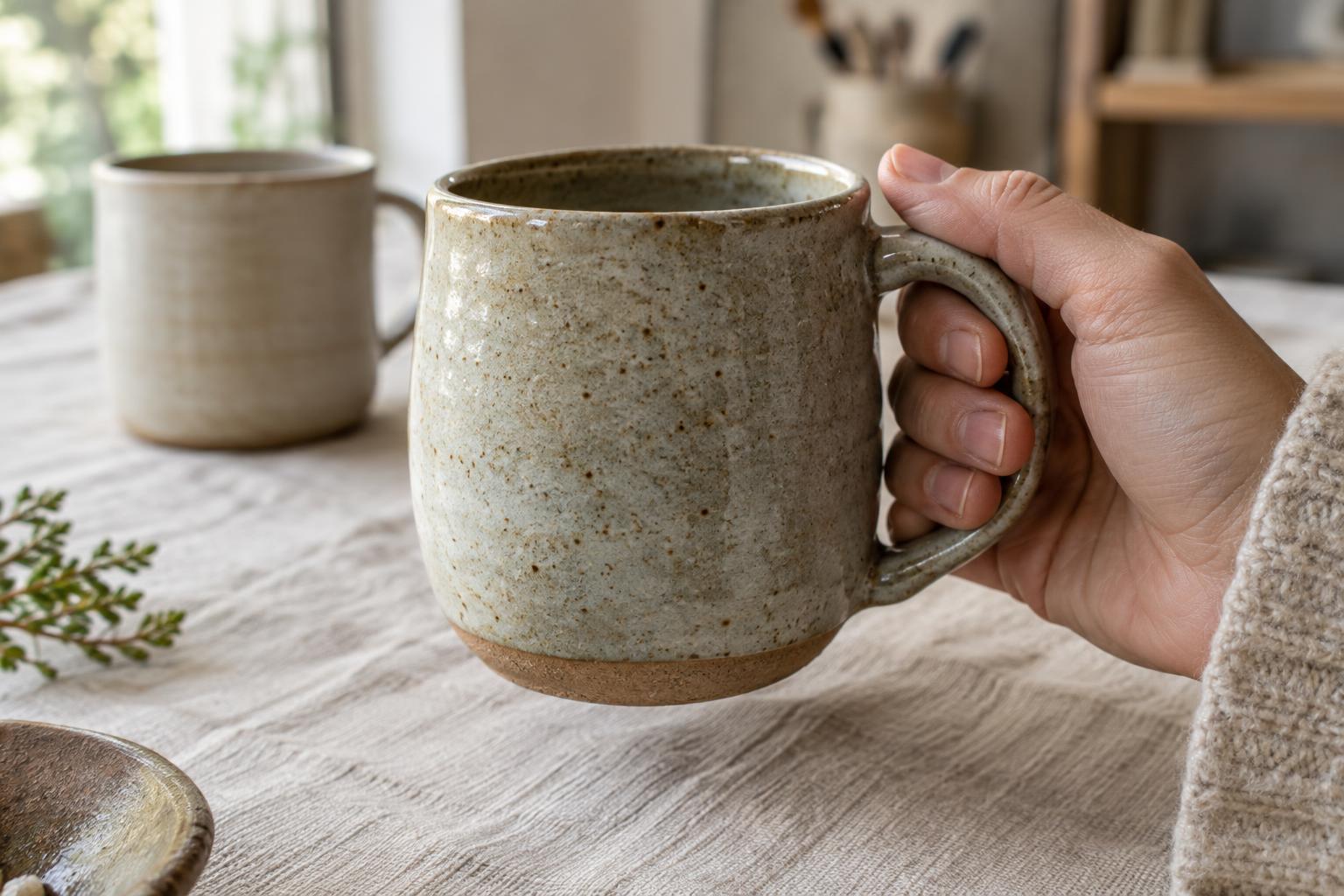
Ceramics and ObjectsA handmade mug can be beautiful on a shelf and awkward in the hand. Learn how handle shape, weight, balance, rim design and glaze affect everyday comfort, plus simple ways to assess a mug before choosing or making one.
Read article · 4 min↗
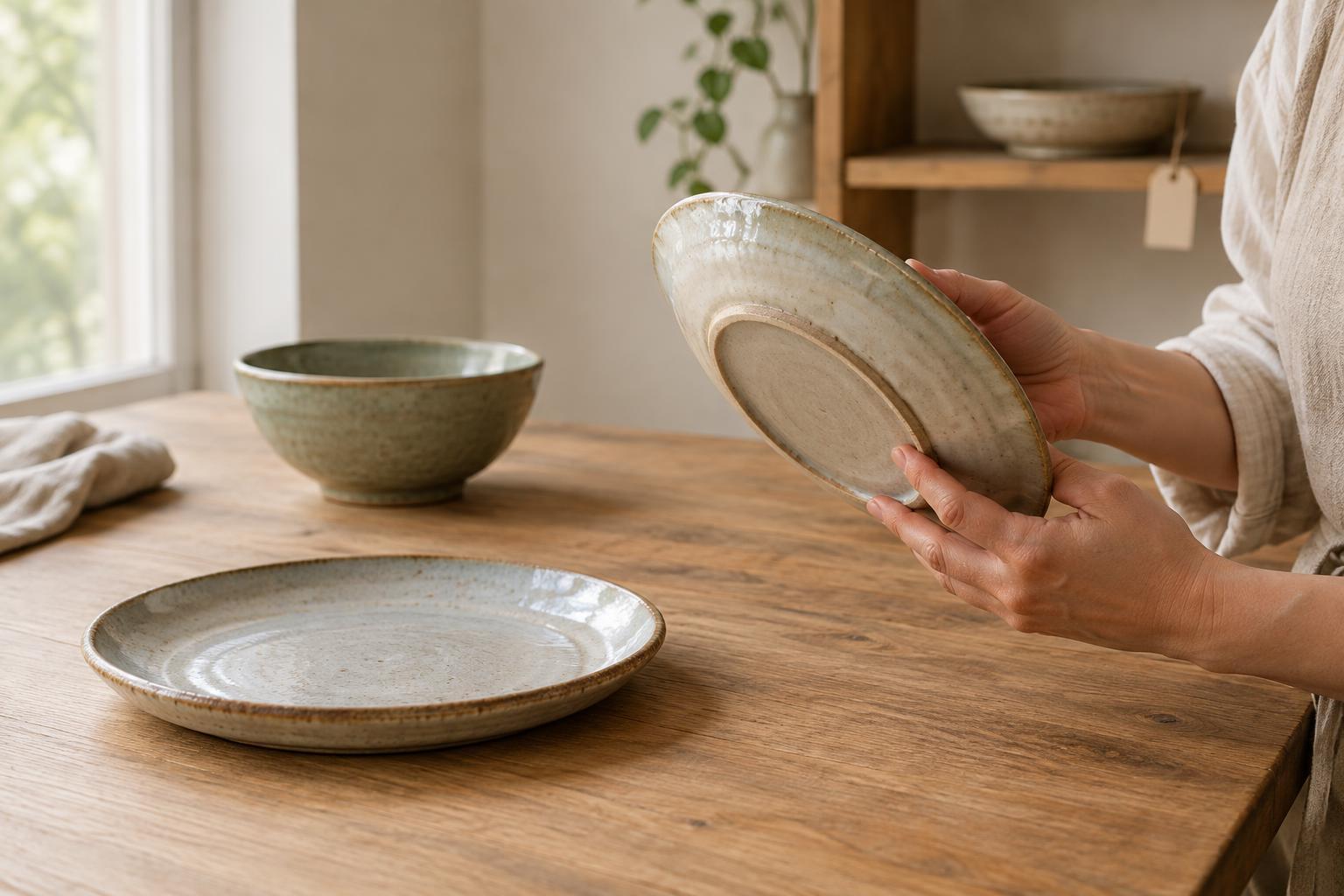
Ceramics and ObjectsA glossy glaze and a sturdy shape do not, by themselves, make a ceramic dish suitable for serving food. Learn what to ask the maker, which markings are useful, and when to keep a piece for display instead.
Read article · 4 min↗
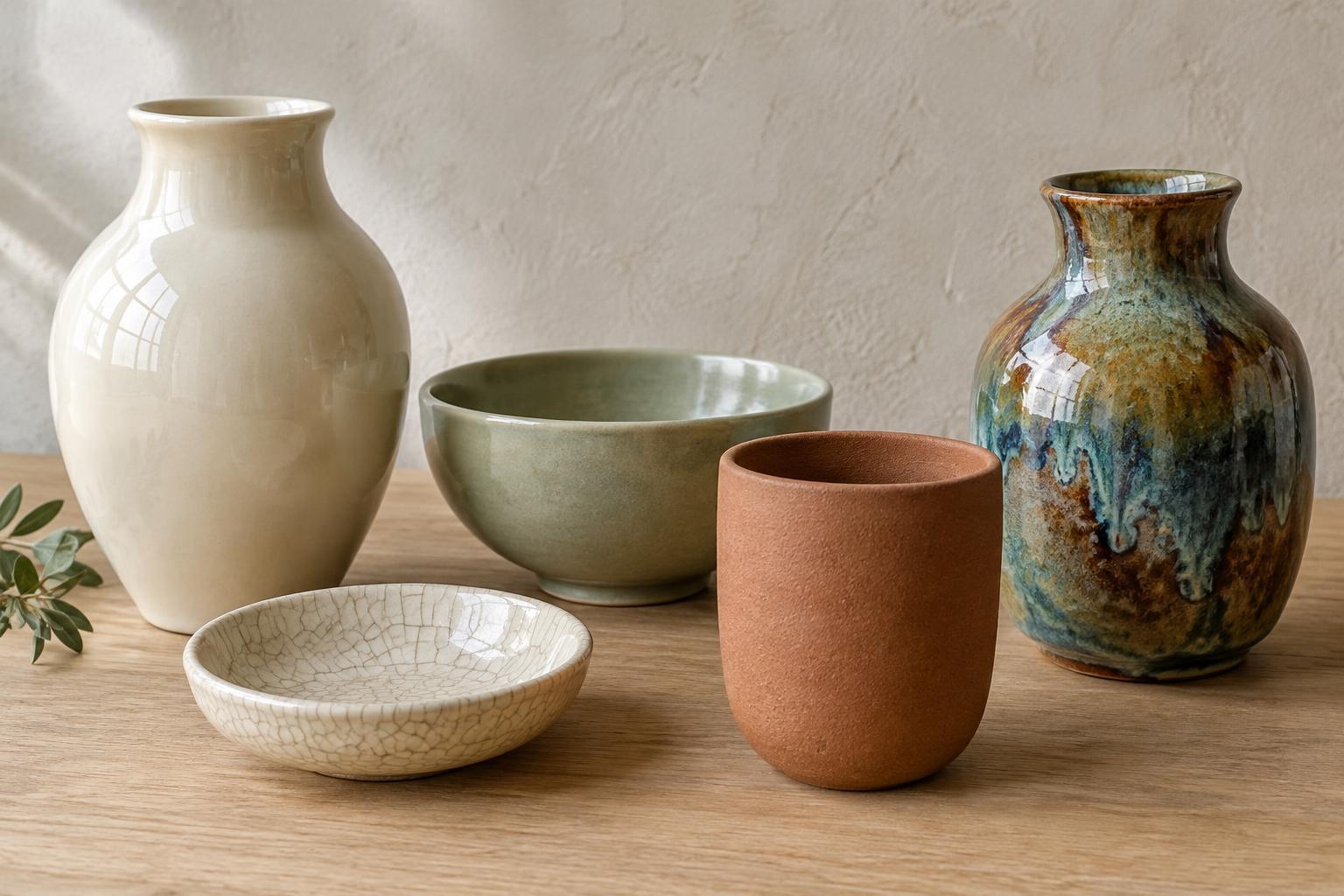
Ceramics and ObjectsGlossy, satin, matte, crackle and reactive glazes can give similar ceramic forms very different characters. Learn what these finishes look and feel like, why results vary, and how to choose glazed pieces for everyday use or display.
Read article · 4 min↗
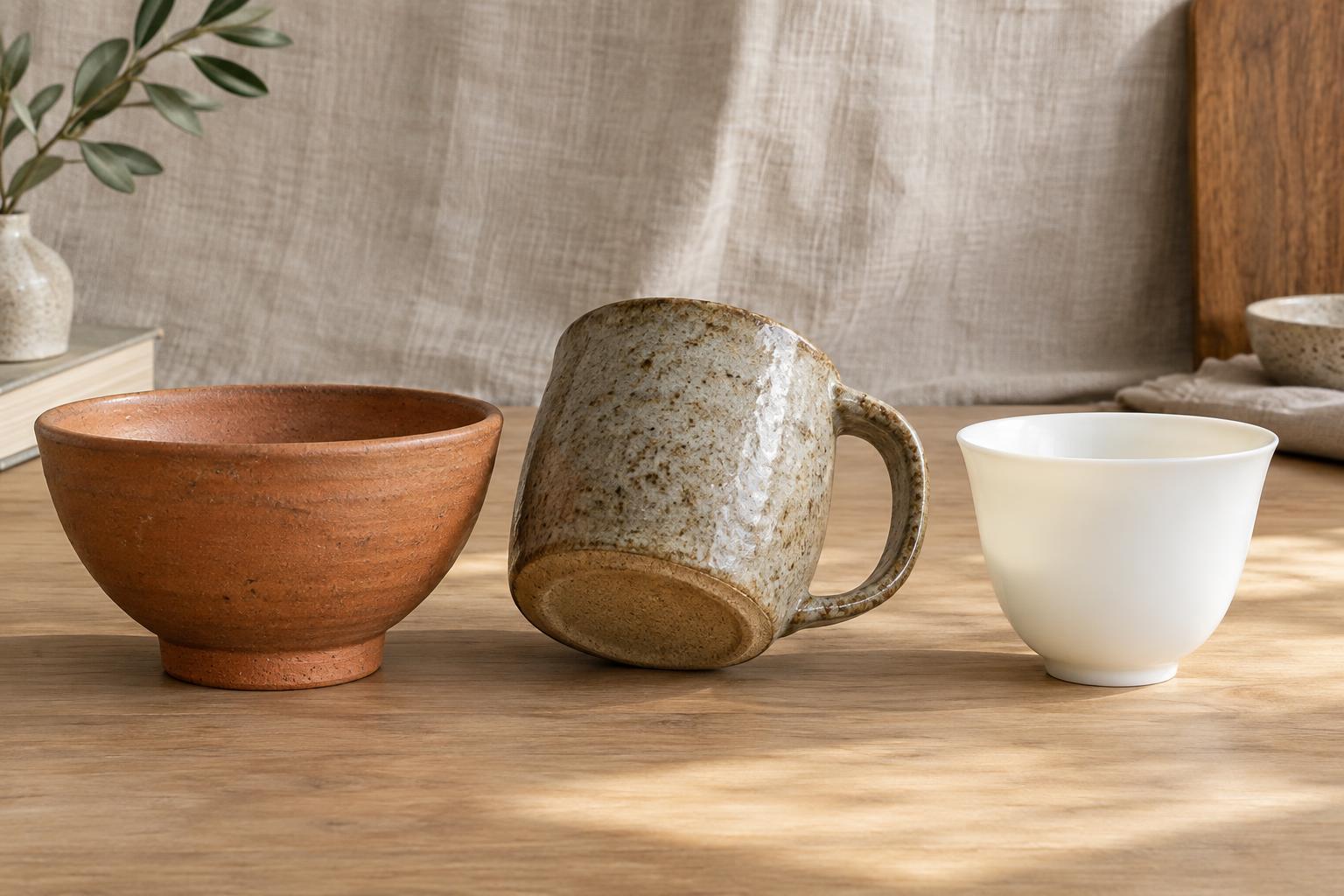
Ceramics and ObjectsA practical guide to the three common ceramic bodies, with clues you can use at home: the unglazed foot, color, thickness and translucency. Learn why appearance alone is not always enough to identify a piece.
Read article · 4 min↗
 Ceramics and Objects