Start with the place it will live
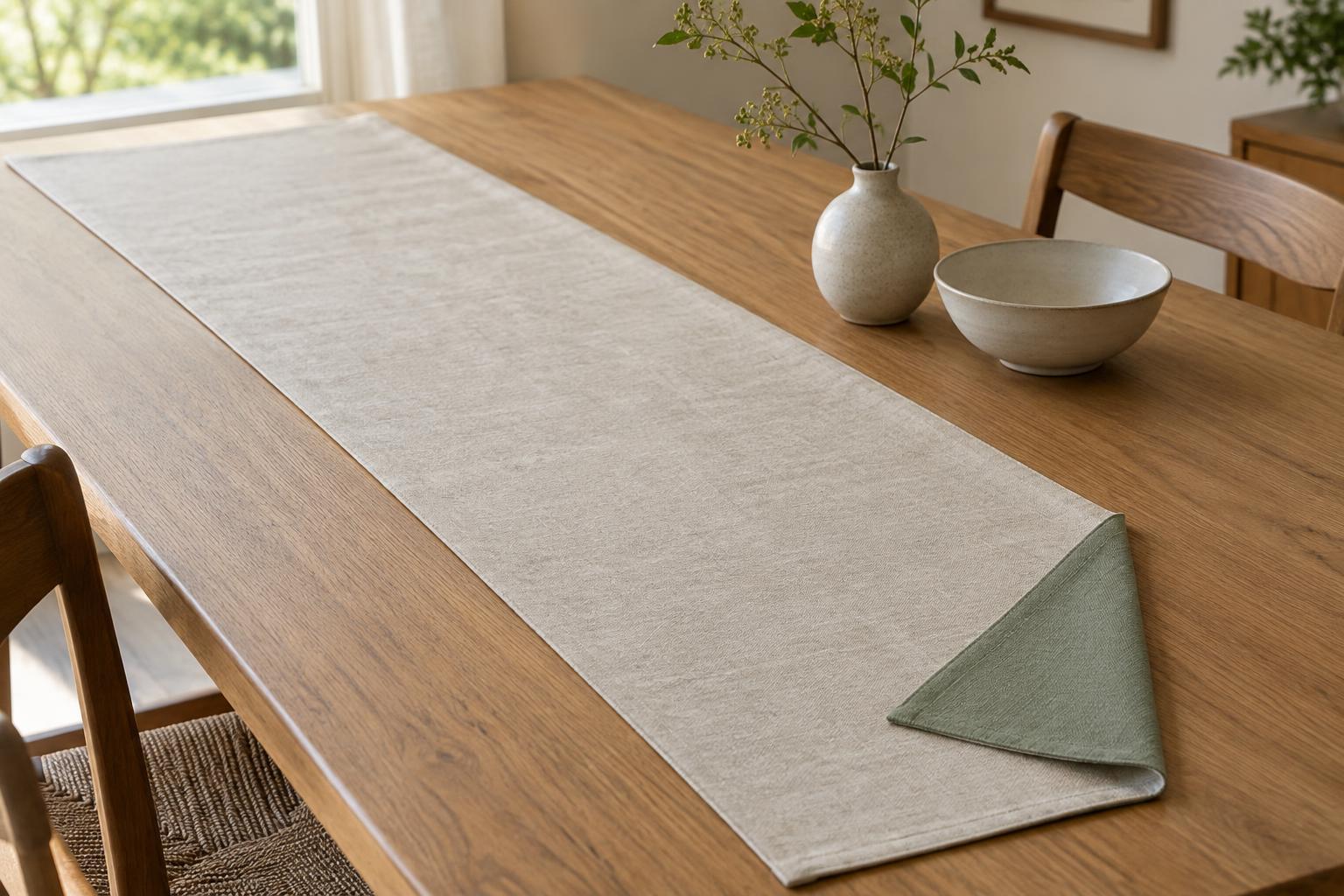
Before choosing a bowl, decide where it will sit and what it needs to do there. A bowl on a dining table may need to move easily at mealtimes, while one on a console can stay in place. On a narrow shelf, its depth matters as much as its width: allow space in front so it does not feel precarious.
Measure the available surface and leave room for the objects people use nearby. If the bowl will hold keys, make sure a hand can reach into it comfortably. If it is purely decorative, consider how it looks from the usual viewing angle. A shallow bowl shows its interior from above; a deeper one may read more as a solid shape when viewed across a room.
Choose a shape with a purpose
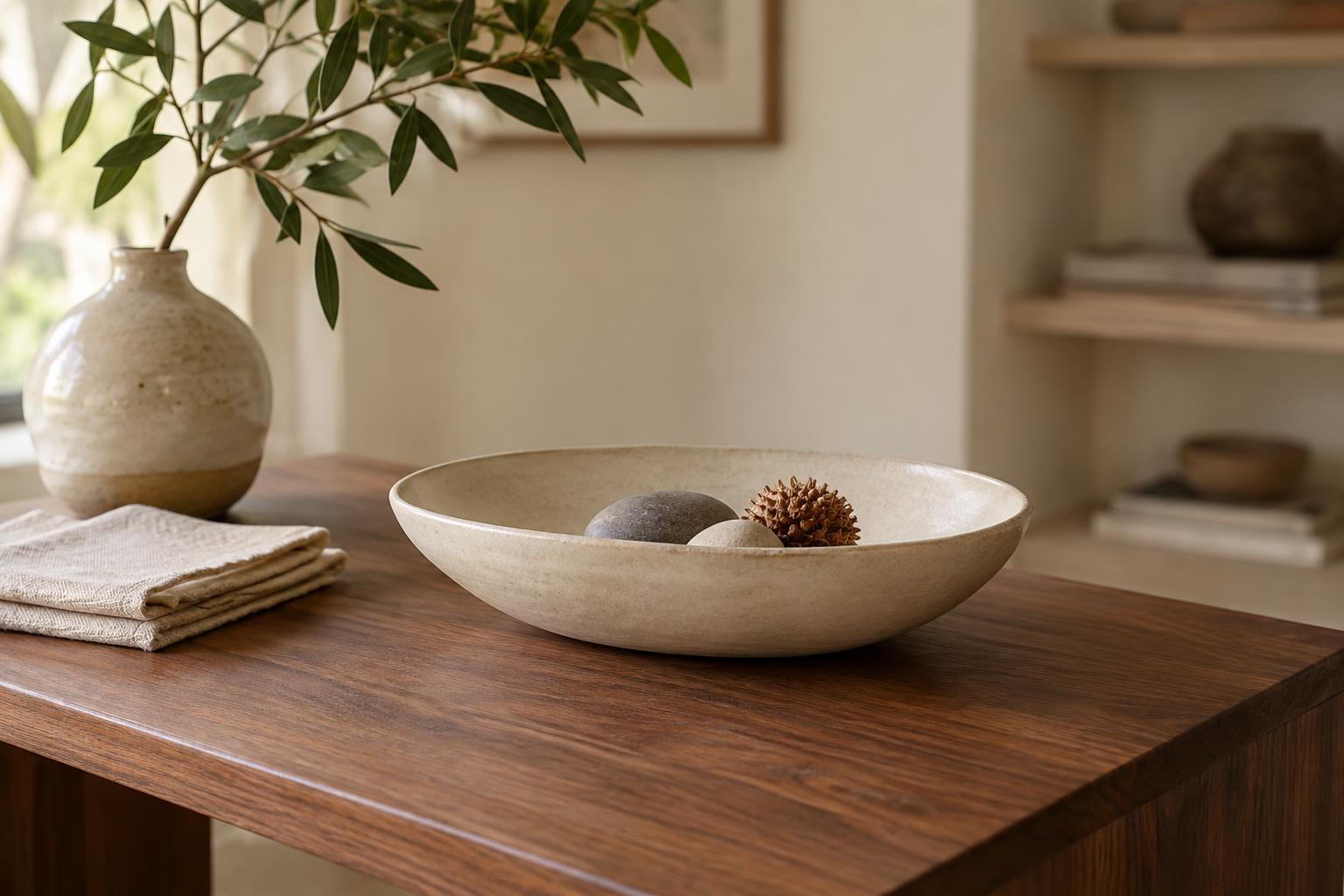
A wide, low bowl creates a broad visual anchor without blocking the view across a table. A smaller, deeper bowl keeps loose items together but can make small objects harder to find. A raised foot adds presence, although it also changes how securely the bowl sits. Check that the base rests flat and that the bowl does not wobble when lightly touched.
Think about the rim, too. A gently curved rim is convenient for picking up contents; a tall or inward-turning rim helps contain them. Irregular edges can be appealing as a decorative detail, but inspect handmade or textured pieces for sharp spots, especially if the bowl will be handled often. Let the intended use guide the shape rather than choosing on appearance alone.
Match the material to everyday handling
Ceramic and glass bowls offer a wide range of colors and surfaces, but they can chip or break if knocked against a hard edge. Wood often brings warmth and visible grain; it may need more care around standing water. Metal can provide a crisp outline or reflective finish, though fingerprints and surface marks may show. Woven bowls add texture and are generally better suited to dry contents.
Consider what the bowl will touch. A rough base can mark a delicate tabletop, so inspect its underside before placing it on furniture. A small, unobtrusive protective pad may help if it does not make the bowl unstable. If you want to use a bowl for food, check that its maker identifies it as suitable for food contact and follow its care instructions. A decorative finish alone is not enough to establish that.
Give the contents a clear role
An empty bowl can be a complete arrangement. Its outline, interior color or surface texture may provide enough interest without a filler. If you do add contents, choose something that suits the room and the bowl’s function: a few everyday items for an entryway, for example, or a restrained group of dry objects for a display shelf. Leave some of the bowl visible.
Avoid making it the default home for everything without a designated place. Set a simple boundary, such as keeping only the keys and small items needed when leaving the house. When the contents start hiding the bowl or spilling over its rim, sort them rather than moving the whole pile elsewhere. This keeps the accessory useful as well as attractive.
Test the arrangement, then maintain it
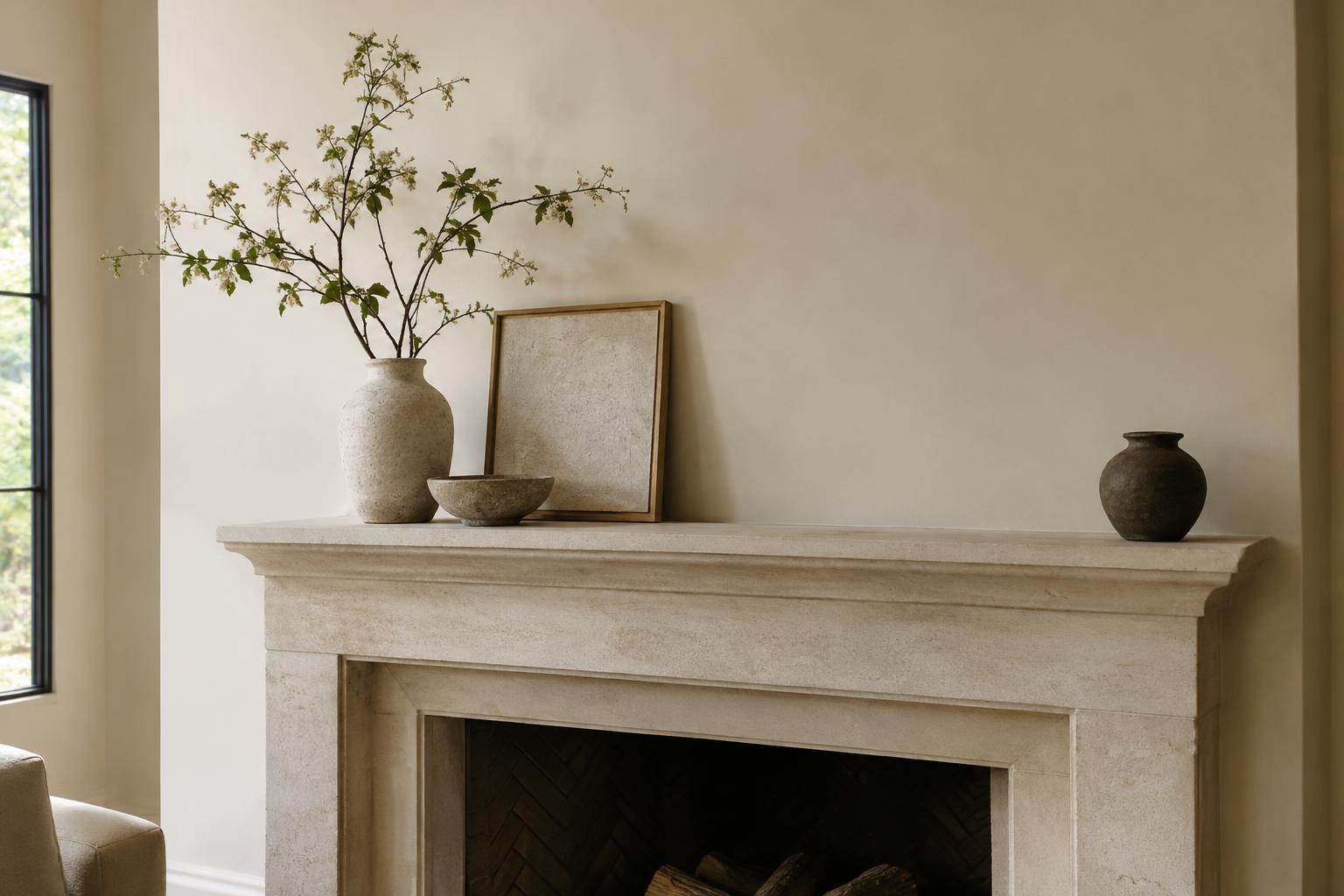
Place the bowl and step back to see how it relates to nearby objects. Beside books or a tall lamp, a low bowl can offer a change in height; on an otherwise open surface, a more sculptural shape may stand on its own. Try moving it slightly off center instead of assuming every arrangement needs perfect symmetry. Check that it does not crowd a walkway or sit where it is easily knocked.
Care depends on the material and finish, but a gentle routine is a good starting point: empty the bowl periodically, remove dust with a soft cloth, and address spills promptly. Follow the maker’s guidance before using water or cleaners on wood, woven fibers, metal finishes or painted surfaces. An occasional check of the contents and the surface underneath helps the bowl remain an intentional part of the room.