Start with what the box needs to hold
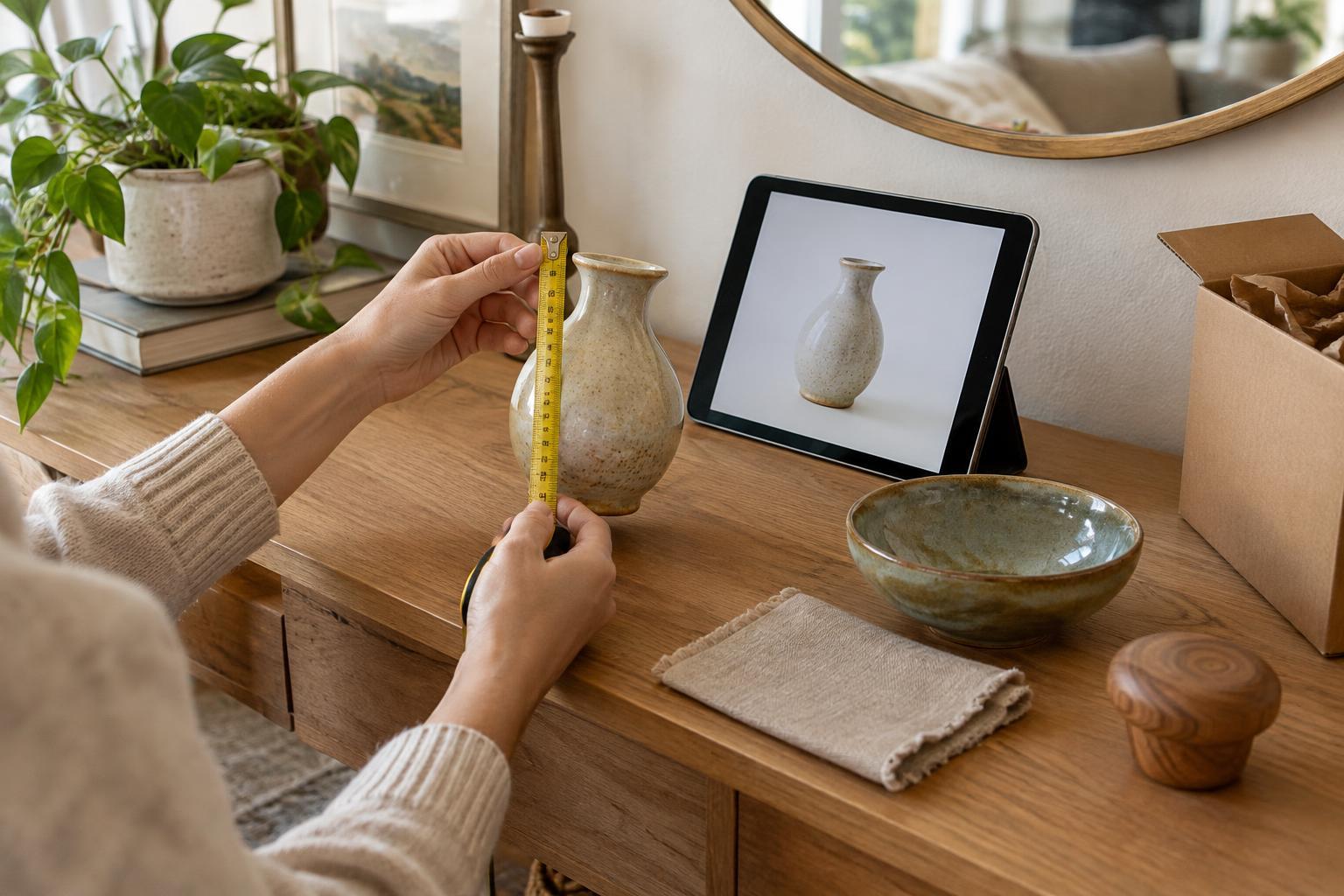
The best decorative storage box is chosen from the inside out. Before considering its color or pattern, gather the objects you want to put in it. Are they sturdy items you reach for every day, or delicate pieces you rarely handle? A box for spare coasters has different demands from one holding embroidered linens, photographs or small ceramic ornaments.
Consider weight as well as size. A deep box can look useful but become awkward to lift when filled with candles, tools or other heavy objects. For fragile pieces, choose a box with enough room for padding and dividers without letting everything slide around. A shallow box may be better for items you need to see at a glance. If you expect the collection to grow, leave a little space, but avoid buying a box so large that its contents tumble when you move it.
Match the material to the contents
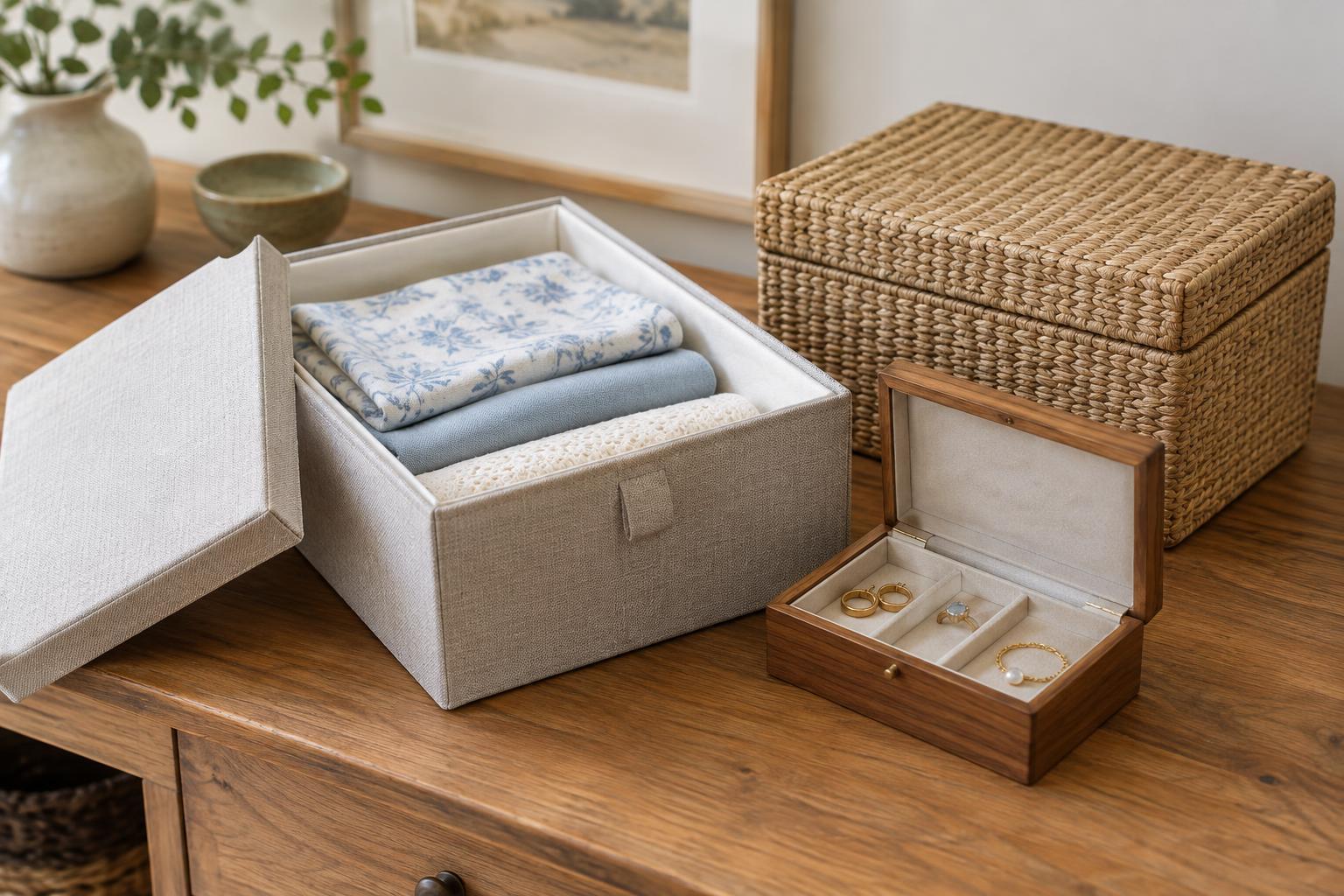
Decorative boxes come in wood, metal, glass, fabric-covered board, woven fibers and other materials. Each offers a different balance of appearance and protection. A rigid wood or metal box can help shield contents from bumps, provided its edges and interior are smooth. Fabric-covered boxes are often light and easy to move, but they may not hold their shape under a heavy load. Woven boxes bring texture to a shelf, yet gaps can admit dust and snag loose threads.
Think about where the box will live. In a kitchen or bathroom, splashes and changing humidity make wipeable surfaces useful, though a closed box should not be expected to protect sensitive contents from moisture on its own. For textiles, paper or photographs, a clean, dry interior matters more than a dramatic finish. If a finish has a strong odor, feels tacky or sheds color when rubbed, choose another box or use a suitable protective wrap before storing anything delicate.
Check the fit, lining and closure
Open the box and inspect the details that are easy to miss in a product photograph. The lid should sit securely without scraping the sides or requiring force. Hinges, clasps and handles should feel stable, especially if you plan to carry the box while it is full. A snug lid helps limit dust, but an ordinary decorative box is not necessarily airtight or waterproof.
Run a hand gently along the inside to check for rough seams, exposed fasteners and splinters. Soft objects can catch on these surfaces; polished objects can be scratched by them. A removable liner, plain tissue wrap or small fabric pouch can create a buffer, but make sure any added material is clean and does not transfer dye. For breakable objects, separate pieces so they cannot knock together. Dividers are useful when they stay upright and leave enough space to remove each item without tugging at its neighbors.
Choose a design that works where you will use it
A box protects its contents better when it is convenient enough to use consistently. On a busy table, a simple lift-off lid may be easier than an elaborate latch; on an open shelf, a secure closure may be worth the extra step. If the box will be stacked, look for a flat, sturdy top and keep heavier boxes below lighter ones. Avoid stacking anything on a lid that bends or carries raised decoration.
For a pleasing arrangement, vary box heights or pair one patterned box with quieter objects nearby. A compact box can anchor a tray, while two related boxes can bring order to a long shelf. Leave enough clearance above each one to open it without pulling the whole display apart. That small practical choice makes it easier to return items to their proper place rather than leaving them exposed.
Keep the storage space clean and easy to inspect
Before filling a new box, wipe or brush out loose dust and let the interior dry fully. Do not put away damp fabric, recently cleaned objects that are still wet, or anything that may leak. Check stored items from time to time, particularly in spots where temperature or humidity changes are noticeable. If you find moisture, an odor or signs of damage, remove the contents and address the storage location rather than simply closing the lid again.
A decorative box does not need to be elaborate to be useful. The right one has enough structure for its contents, an interior that will not harm them, and a shape you can comfortably handle. When those basics are in place, its finish and color can do what decorative accessories do best: make everyday organization feel at home in the room.