What glazing does in a frame
Glazing is the transparent sheet between a framed piece and the room. It helps keep dust, fingerprints and casual splashes away from artwork, photographs, pressed flowers and other flat keepsakes. It also changes the finished object: reflections can obscure a dark print, a heavy sheet can strain a small frame, and a scratched surface can draw the eye away from the image.
The best choice depends on what you are framing and where it will hang. A replaceable print in a quiet corner may need only basic protection. A delicate original displayed near a bright window calls for more thought about light exposure, mounting and placement. No glazing makes a frame airtight or removes the need to keep vulnerable pieces away from damp and excessive light.
Ordinary glass: clear, sturdy against scratches, but heavy
Standard picture-framing glass is a familiar choice for small and medium frames. It has a firm surface that generally resists everyday cleaning scratches better than acrylic. It is also often a straightforward option when replacing a broken pane or assembling a modest decorative frame.
Its drawbacks become more noticeable as a frame grows. Glass adds weight and can break if a frame falls, leaving sharp fragments. That matters in frequently used spaces and anywhere a frame may be knocked. Standard glass can also reflect lamps and windows. If glare is distracting, changing the frame’s position or lighting may help before you pay for a different glazing product. An anti-reflective coating is another option, but it is a separate feature from UV filtering; check which properties the particular sheet offers.
Acrylic: lighter and less prone to shattering
Acrylic glazing is a useful alternative for a large frame, a lightweight gallery wall or a spot where broken glass would be a particular concern. It weighs less than glass and does not shatter into sharp pieces in the same way. That can make a large decorative frame easier to handle during hanging and rearranging, although the frame and fixings still need to support its full weight.
The trade-off is a softer surface. Acrylic can scratch during cleaning or storage, and some sheets attract dust through static. Use a soft, clean cloth and a cleaner specified for the sheet rather than assuming a household glass spray is suitable. Handle it by the edges where possible, and keep any protective film on until the frame is ready to assemble. Acrylic is sold in different grades, so its clarity, coatings and protective properties should be checked rather than assumed.
What UV filtering can and cannot do
UV-filtering glazing is available in both glass and acrylic. It is intended to reduce the ultraviolet light reaching a framed piece, which can help limit one cause of fading and material change. Product specifications vary: a label saying “UV filtering” does not tell you everything about its performance, reflections or cleaning needs. Compare the stated properties of the actual sheet, not just the material it is made from.
UV filtering is not a promise that colors will stay unchanged. Visible light can also affect sensitive inks, dyes and papers, and damage may build with exposure. For a treasured watercolor, textile fragment or family photograph, placing the frame away from direct sun is a sensible first step. Consider a display spot with steadier conditions rather than relying on glazing alone to compensate for a bright, hot or damp location.
Make the glazing part of the whole frame
A simple selection method is to rank your priorities. For a small, easily replaced print, standard glass may give you the look you want. For an oversized poster or a frame you move often, acrylic may be more convenient. For a light-sensitive original, consider UV-filtering glass or acrylic alongside careful placement. If reflections are the main problem, ask specifically about anti-reflective options; UV filtering and glare reduction answer different needs.
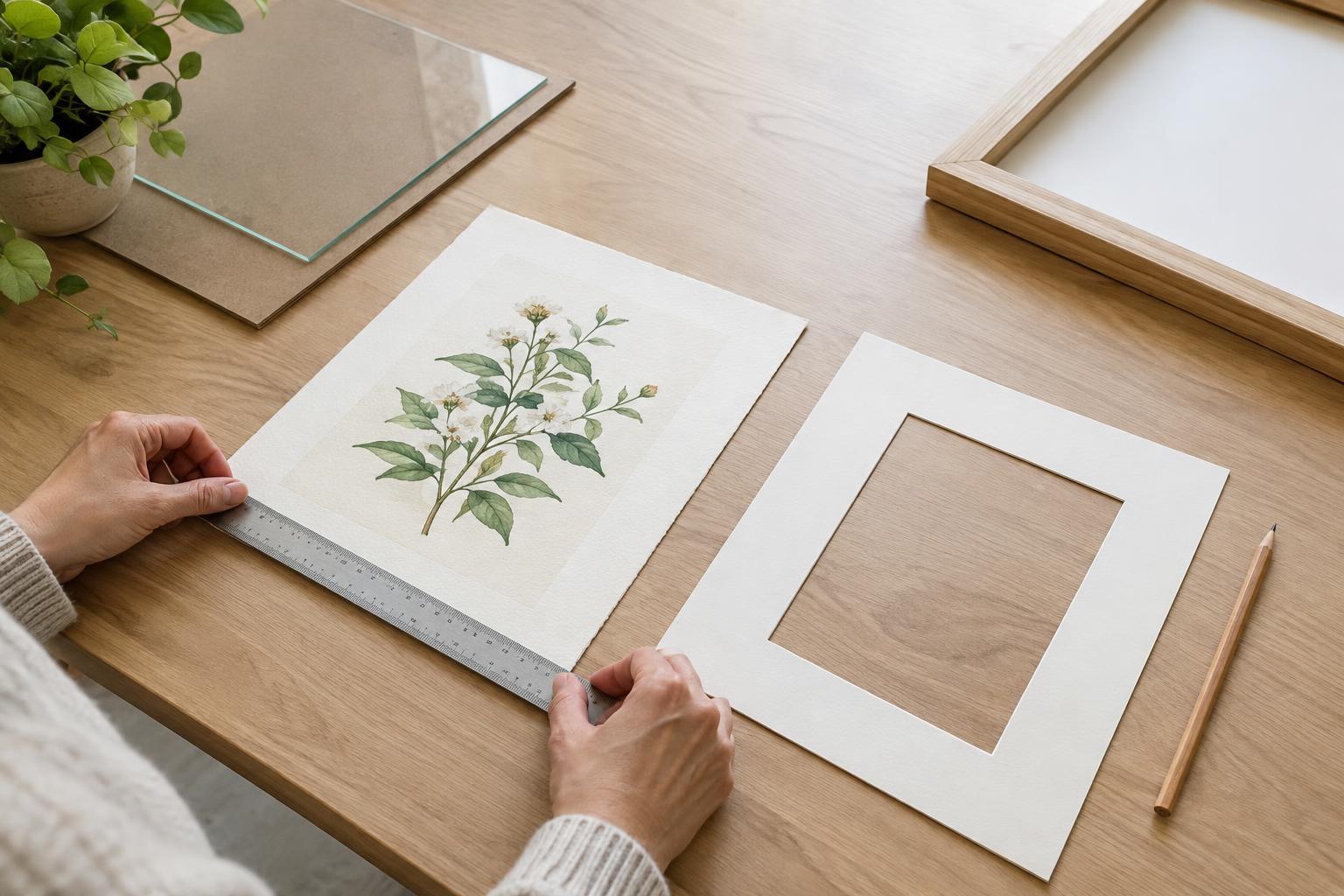
Before assembly, check that the sheet fits without being forced into the frame. A window mat or suitable spacer can keep glazing from resting directly against paper or a photograph, while a sound backing helps hold the contents in place. Work on a clean surface, remove dust from both sides of the glazing, and follow the maker’s cleaning guidance. These small steps help the chosen material do its job without distracting from the object you wanted to display.