What temperature change does to clay
A ceramic object does not always heat or cool evenly. When hot liquid enters a cool mug, the inside begins warming before the outside. When a hot dish meets a cold surface, its base can cool before its walls. As each area changes temperature, it tries to expand or contract. If neighboring areas cannot move together, stress builds within the piece. A crack may form when that stress exceeds what the ceramic can withstand.
The important factor is not simply whether something is hot or cold, but how quickly different parts change temperature. This is why a piece may survive gradual warming yet crack after an abrupt change. A thick base, a thin rim, or a handle can respond at a different pace from the rest of an object. Existing chips or tiny flaws may also provide a place for a crack to begin.
Why two similar-looking pieces behave differently
Clay bodies vary in composition, porosity and how they have been fired. Their shapes and wall thicknesses vary, too. These details influence how heat moves through an object and how it responds to stress. A handmade serving bowl and an oven-rated baking dish may look equally sturdy, but appearance alone cannot tell you whether either is suitable for cooking.
Thickness is not a simple guarantee of strength. A substantial piece may feel reassuring in the hand, yet its surface and center can change temperature at different speeds. Conversely, thin walls may warm quickly but can be vulnerable in other ways. The safest guide to intended use is the maker’s care information. Unless a ceramic piece is identified as oven-safe, stovetop-safe or microwave-safe, do not assume it can withstand those uses.
Body cracks, glaze crazing and other warning signs
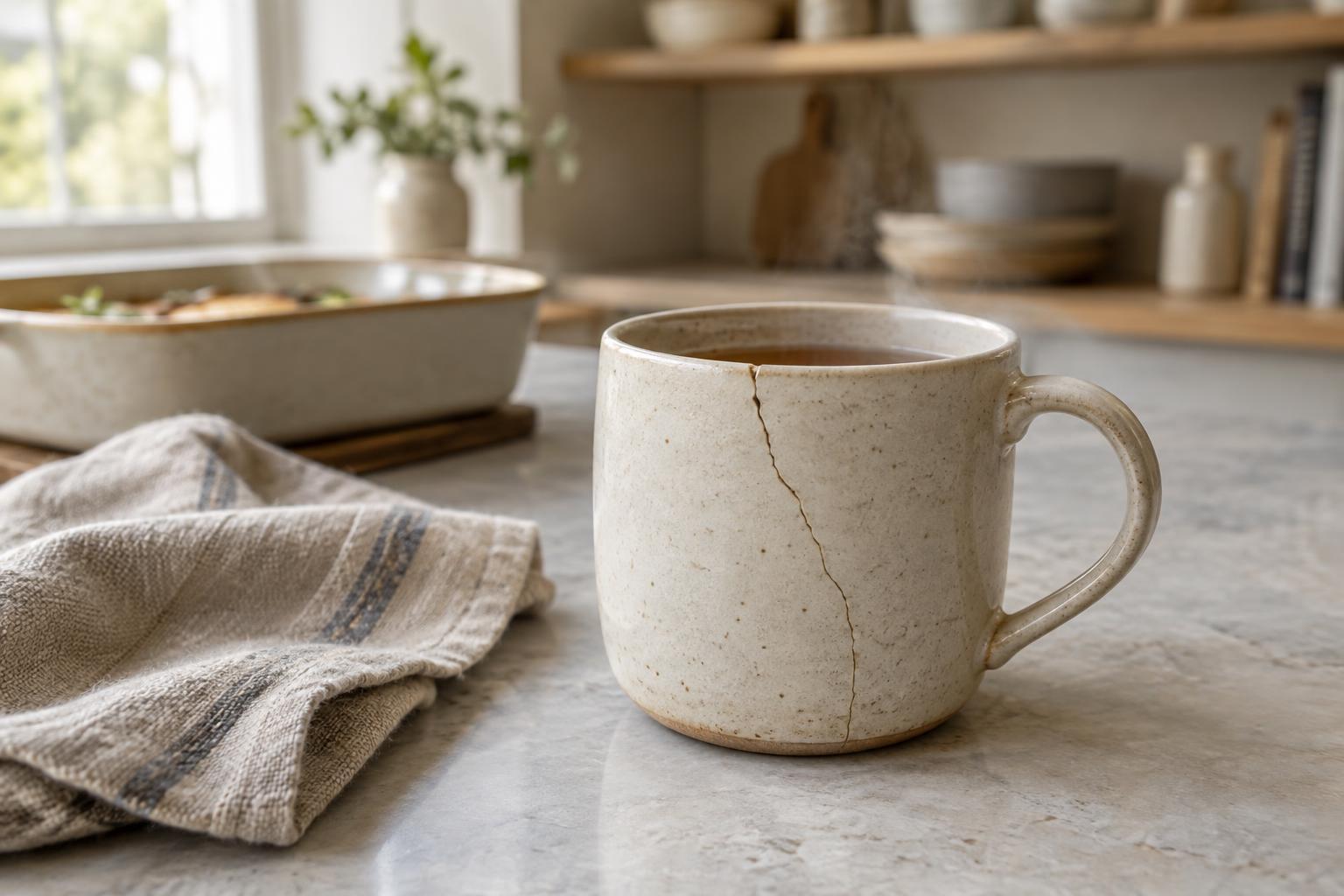
Not every visible line means the same thing. A body crack runs through the ceramic itself. It may be visible on both sides, catch a fingernail, or allow liquid to seep through. Such a crack can grow with further use, especially if the object is heated again. A cracked food or drink vessel is best taken out of service, even if it still appears to hold liquid.
Crazing is a network of fine lines in the glaze rather than an obvious break through the whole object. It can develop when the glaze and clay body respond differently to temperature changes, or over time as stresses become visible. Crazing does not necessarily mean a piece is about to split, but it can make a functional surface harder to keep clean. If you are unsure whether a line is decorative, limited to the glaze, or a deeper crack, use the object for display rather than food or drink.
Everyday ways to reduce thermal stress
Avoid abrupt changes where you can. Do not move a chilled ceramic dish straight into a hot oven unless its care instructions specifically permit that use. Likewise, avoid setting a hot dish on a cold, wet counter or pouring cold water into it as soon as it comes out of the oven. A dry trivet or board provides a more suitable landing place for hot ovenware. Let a piece cool before washing it.
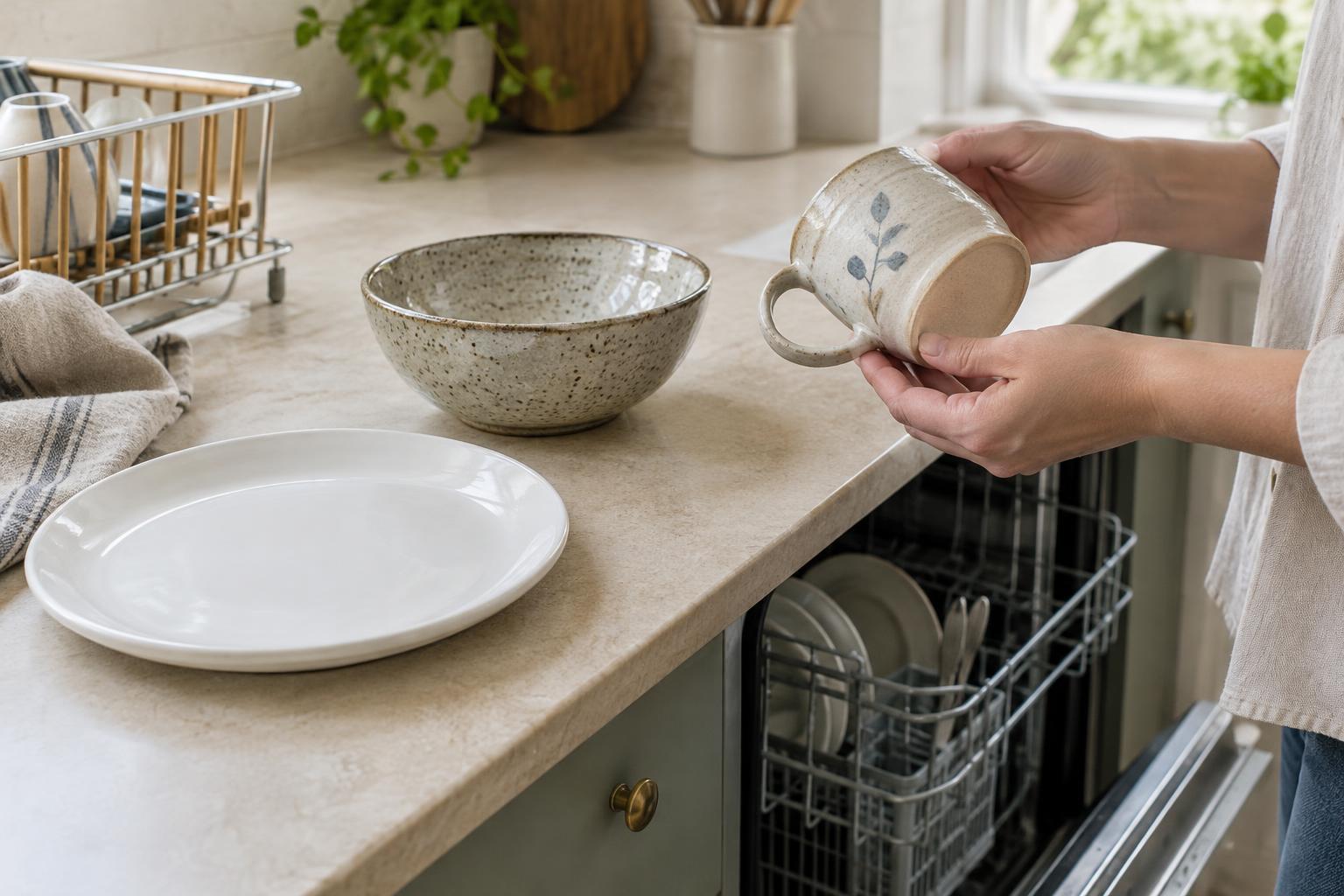
For mugs and bowls, follow any guidance supplied by the maker, particularly for handmade work. Decorative ceramics may be intended only for display, while food-safe pieces are not automatically oven-safe. If you use a ceramic object in a microwave, confirm that it is marked for that purpose and stop using it if the piece becomes unusually hot, develops cracks, or shows damage. These habits cannot prevent every failure, but they reduce avoidable shocks.
Choosing and caring for pieces you want to keep
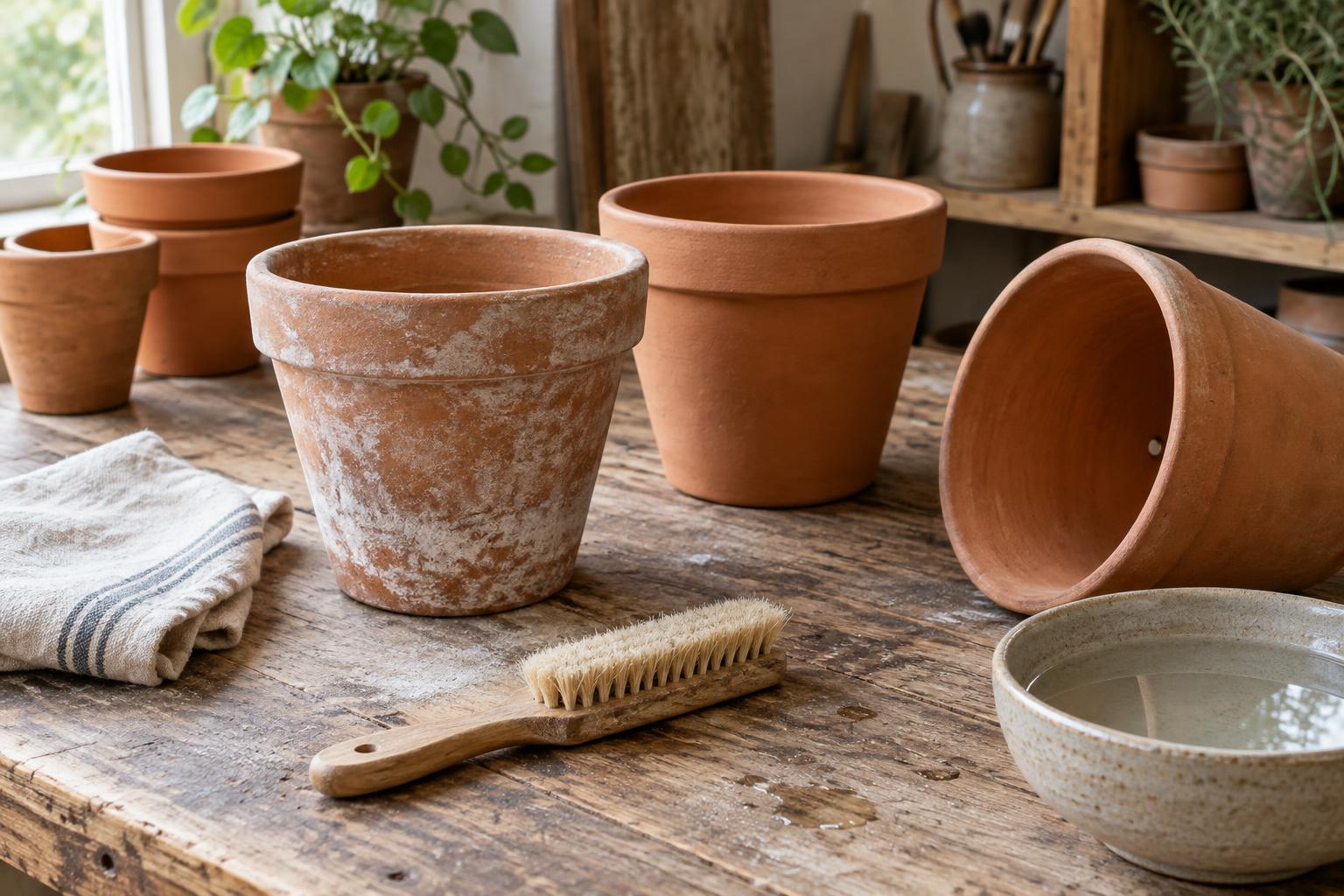
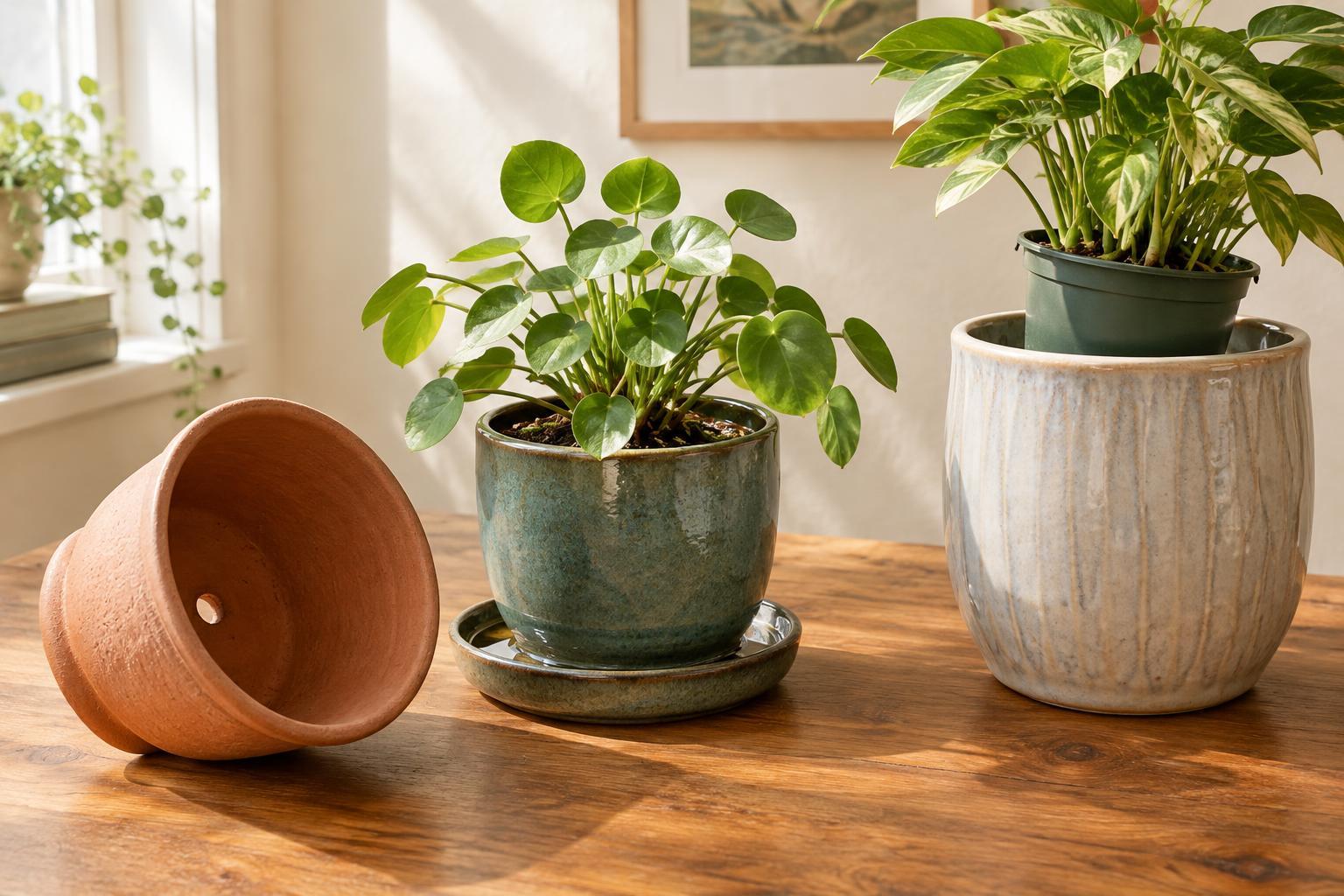
Think about an object’s job before buying or making it. A vase for dried stems, a bowl for serving room-temperature snacks and a dish for baking face different demands. Ask a maker about intended use rather than relying on labels such as “stoneware” or “porcelain” alone. For an older or unmarked piece, gentle decorative use is a sensible choice when its history is unknown.
Inspect frequently used ceramics for new lines, chips and changes around handles or bases. Store them so rims are not knocked, and use padding between stacked pieces if they rub against one another. Careful handling cannot change a clay body’s properties, but it can help preserve the objects you enjoy while keeping their limits in mind.