Start with where the throw will live
A throw on a sofa has a different job from one folded across a guest bed. Before choosing a fiber, think about whether the blanket will be used for chilly evenings, shared with children or pets, or kept mainly as a decorative layer. A throw that feels inviting but is difficult to clean may not be the best choice for a busy living room.
Consider weight and size as well as material. A generous throw is easier to tuck around your legs, while a smaller one can add color to an armchair without overwhelming it. If possible, handle the blanket: the weave, knit or brushed finish can change its feel as much as the fiber name on the label. Then check the care instructions before committing.
Wool: warmth with a little more care
Wool is a strong choice when warmth is the priority. It can feel cozy without needing a thick, bulky construction, making it useful for cool rooms or winter evenings. Wool throws vary widely, though: a smooth, fine wool can feel quite different from a rustic, loosely woven one. If texture bothers you, try the throw against your hands or neck rather than assuming all wool feels the same.
Care is the main trade-off. Some wool throws are washable, while others call for hand washing or dry cleaning. Follow the individual label, since agitation, heat and sudden temperature changes can cause some wool fabrics to shrink or felt. For everyday upkeep, shaking out the throw and airing it between washes may be more convenient than washing it frequently. Look at the edges and stitching, too; sturdy finishing matters when a blanket will be handled often.
Cotton: a familiar feel for regular use
Cotton is often appealing for a throw that will see frequent use. It generally feels comfortable against the skin and comes in a wide range of textures, from light woven layers to heavier knitted blankets. A lighter cotton throw can be especially handy when you want a little coverage without the warmth of wool. Heavier cotton can feel substantial on a sofa or at the foot of a bed.
Many cotton throws can be machine washed, but the label still matters. Some may shrink, lose shape or take a long time to dry, particularly if they have a loose knit, fringe or dense weave. If easy laundering is important, look for clear washing and drying instructions that fit your routine. Cotton is also a practical option when you want a throw to work across seasons, although its warmth will depend on the blanket’s thickness and construction.
Acrylic: easy color and approachable upkeep
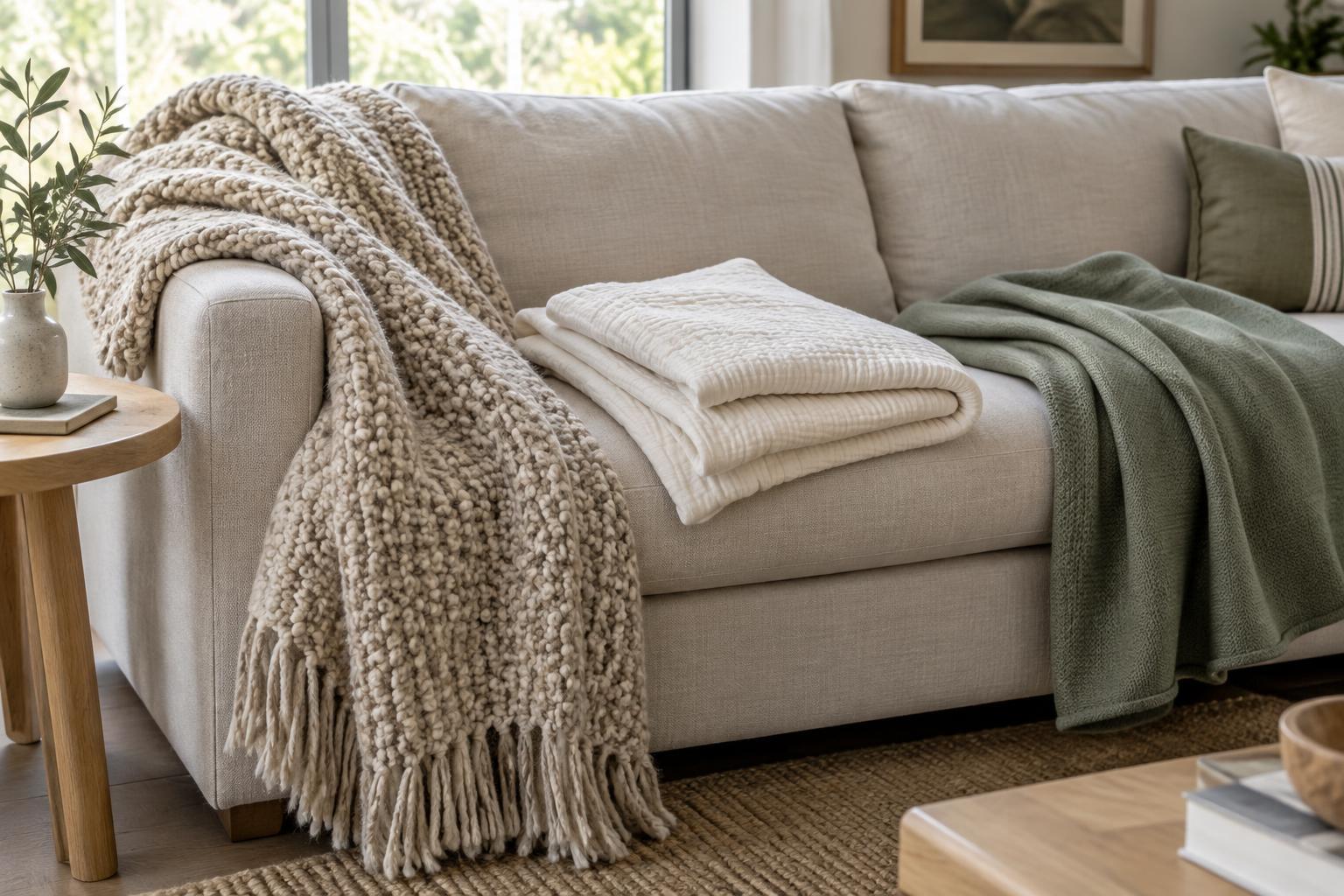
Acrylic throws often offer a soft, wool-like look in a broad range of colors and patterns. Many are lightweight, which makes them easy to move between rooms or keep close to hand for casual use. They can also be a sensible choice when you like the appearance of a chunky knit but do not want wool’s particular care requirements.
Acrylic is not maintenance-free, however. Friction can cause pilling on some throws, especially where the fabric rubs against a sofa or clothing. Heat can also damage synthetic fibers, so read the care label and avoid assuming a hot wash or high-heat dryer is safe. If you are choosing in person, gently examine the fabric and its seams: a pleasing surface and secure construction are more useful clues than a fiber label alone.
Make the final choice fit your routine and room
For a throw used daily on a family sofa, start with the care label and a texture everyone will enjoy. Cotton may suit a household that prefers straightforward laundering; washable acrylic may appeal if light weight and color choice come first. Choose wool when warmth and its distinctive feel matter most, provided its care requirements suit you. Blends can offer another balance, but judge them by their full fiber content and care instructions rather than the name of a single fiber.
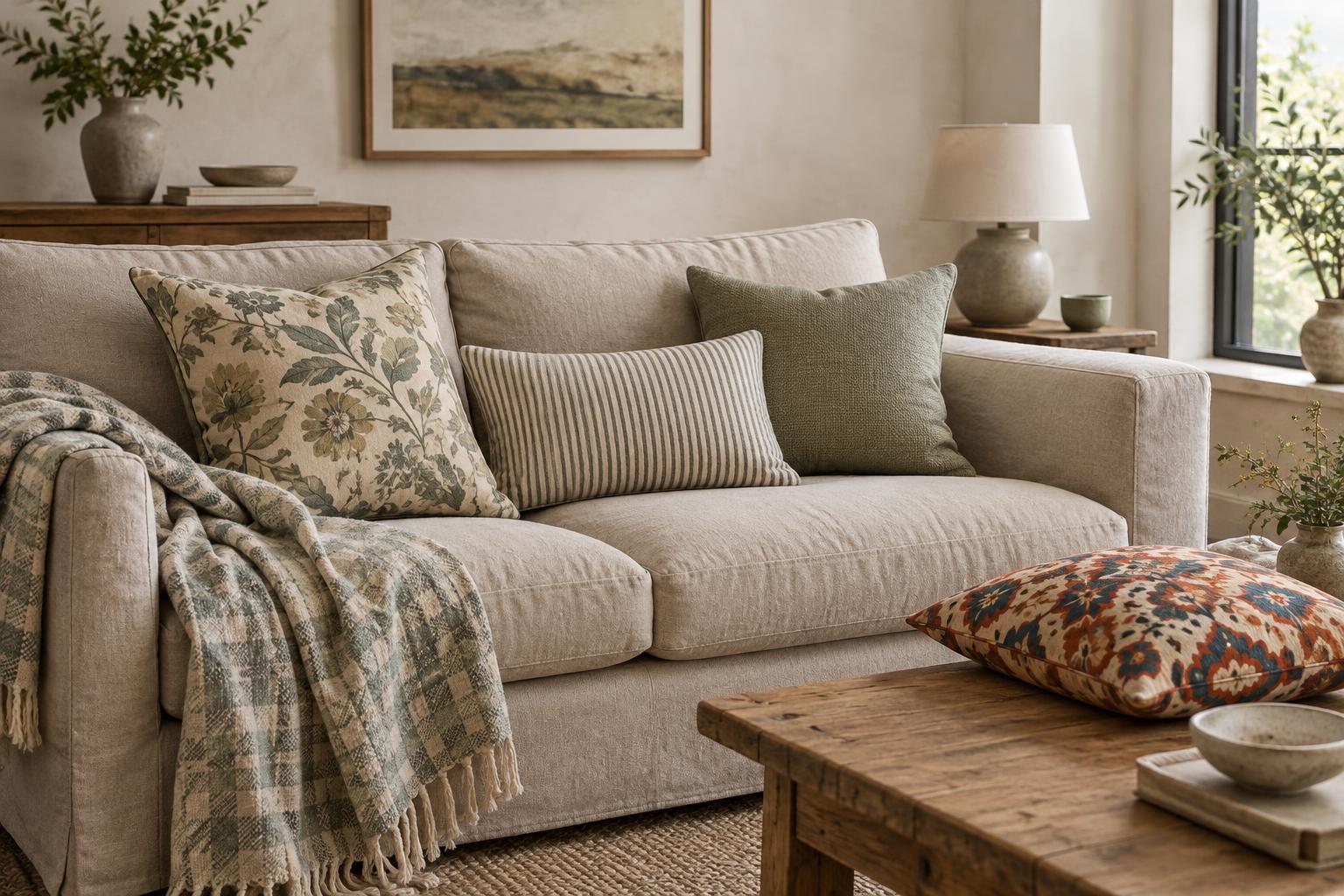
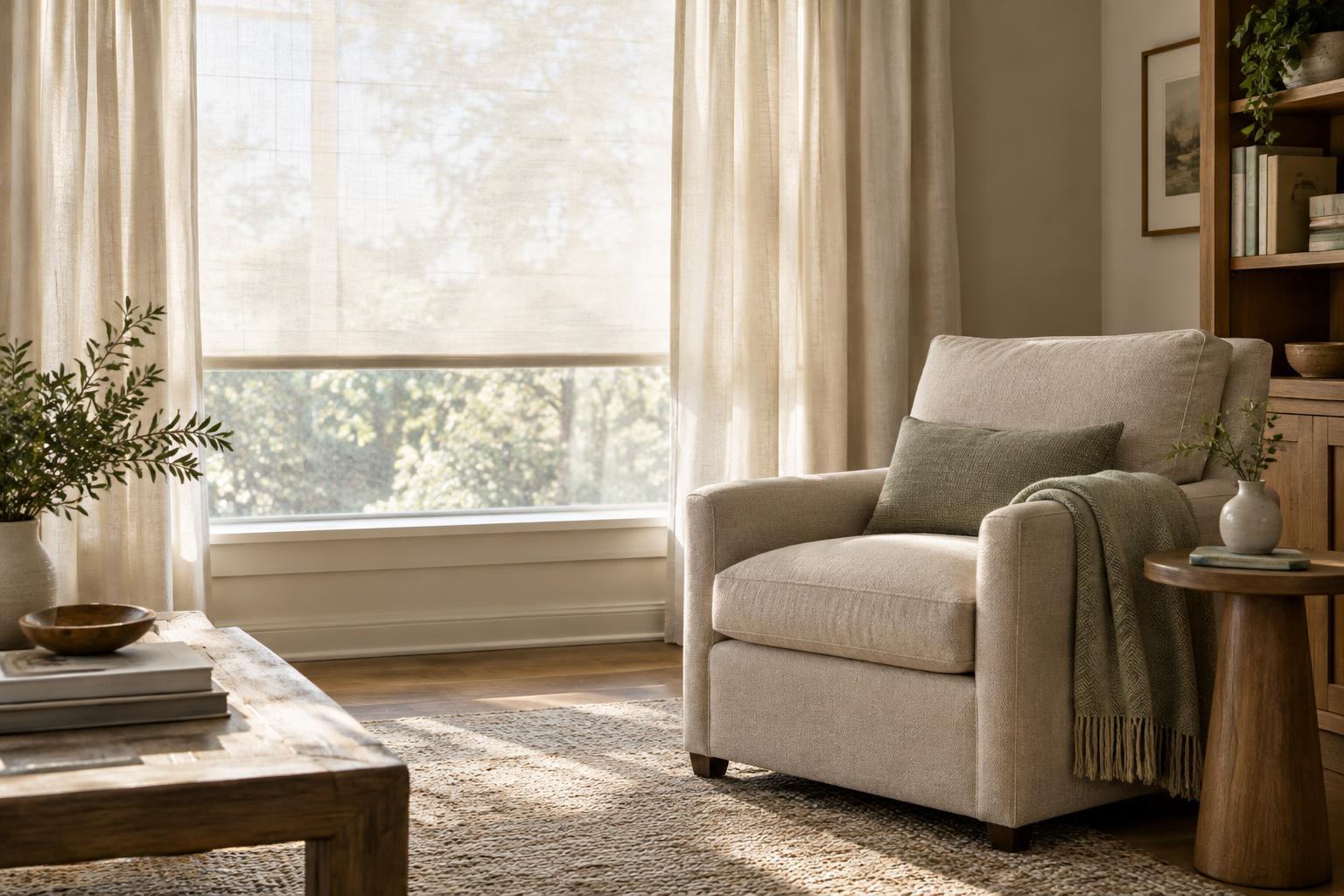
Finally, picture the throw in place. A quiet solid color can soften a patterned sofa, while a textured weave adds interest to a plain chair. Fold it loosely over an arm or place it within easy reach in a basket. The best everyday throw is not simply the warmest or softest in the shop: it is the one that feels right in your space and remains convenient enough to use.